LOCAL FIT KUMANOBack to list
A Journey to Experience the "Craft of Charcoal" in Ryujin Village, Tanabe
Wakayama is often celebrated for the Kumano Kodo and its hot springs, but Ryujin Village, tucked into the mountains of Tanabe City, has another face: a village of charcoal makers that has long produced Kishu Binchotan.
With small settlements scattered along the clear waters of the Hidaka River, Ryujin Village has passed down a way of life built on harvesting mountain wood, firing kilns, and drawing out charcoal. In this article, we focus on the charcoal-making experience and introduce a general overview of how to spend a day that ends with unwinding at Ryujin Onsen.
What Is Kishu Binchotan? The Basics to Know First
Kishu Binchotan is a white charcoal made mainly from hard woods such as ubame oak. Known for burning long and producing a clear, metallic ring when struck, it is beloved in the world of charcoal-grilled cuisine. In Wakayama, charcoal-making has long been rooted in the area stretching from around Tanabe City to Minabe Town.
Making charcoal is more than simply burning wood. It is born from layers of skilled handwork: judging the kiln's temperature, controlling airflow, and finally pulling the charcoal out of the kiln to extinguish the fire. Once you understand this process, the charcoal flame you see every day begins to look a little different.
Tips for Finding a Charcoal-Making Experience
Check in Advance Whether It's a "Tour" or a "Hands-On Experience"
Because charcoal-making is a process that spans several days, the degree to which visitors can take part varies by facility and season. Offerings range from touring the kiln site, to lighting charcoal fires or activities using charcoal, to craft-style workshops — content is far from uniform. Before setting out, it's wise to confirm availability and reservation procedures with Ryujin Village's tourist information or directly with each facility.
Wear Clothes You Don't Mind Getting Dirty
Charcoal and ash can be hard to remove once they get on your clothes. Long sleeves, long pants, comfortable walking shoes, and a spare towel or change of clothes will serve you well. Mountain areas are often cooler than the lowlands, so layered clothing that lets you adjust your temperature is recommended.
Follow Instructions When Handling Fire
Experiences may involve handling fire or hot charcoal. Follow the staff's guidance and participate within your comfort level. If you're bringing small children, be sure to check age requirements in advance.
Unwind at Ryujin Onsen After Your Experience
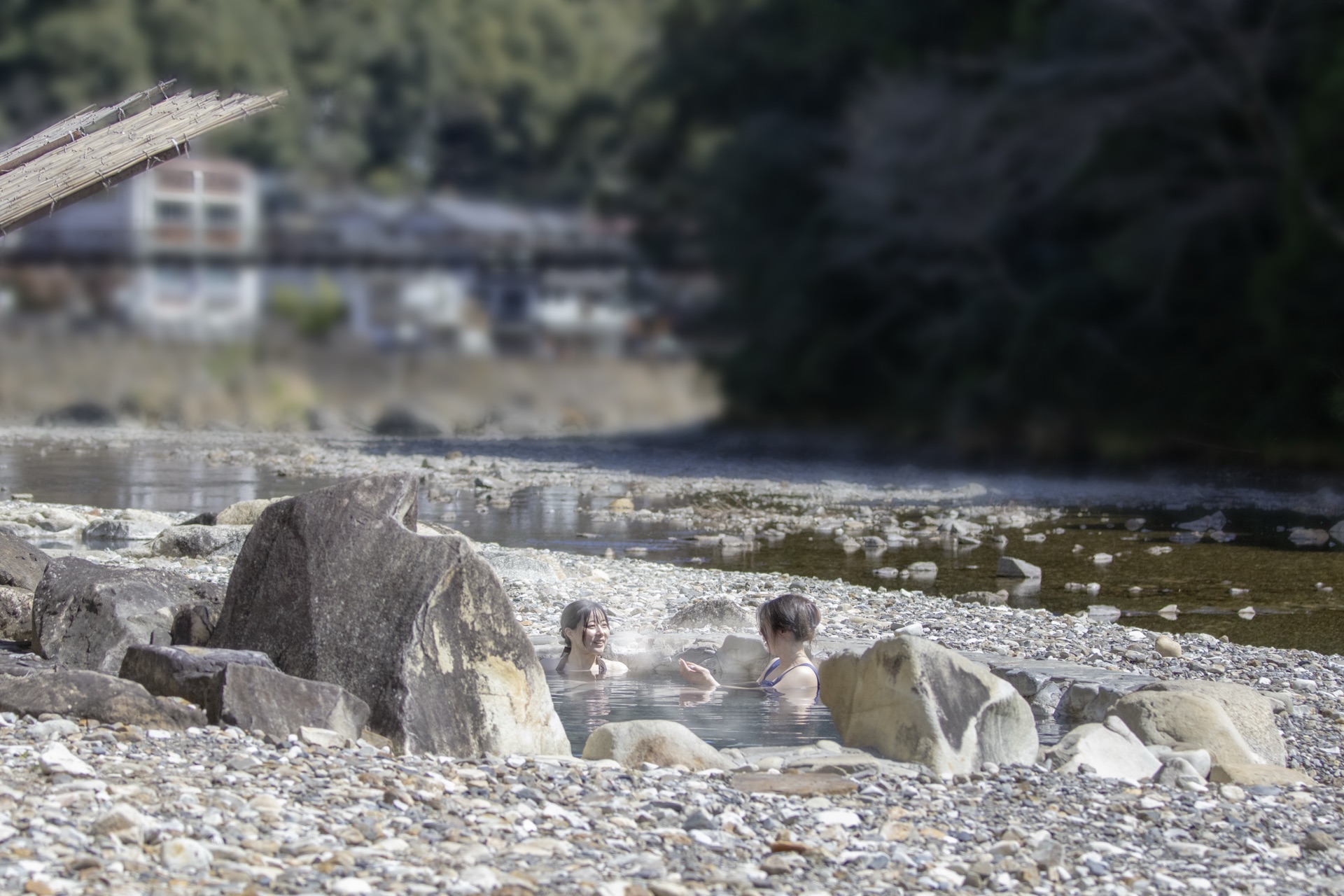
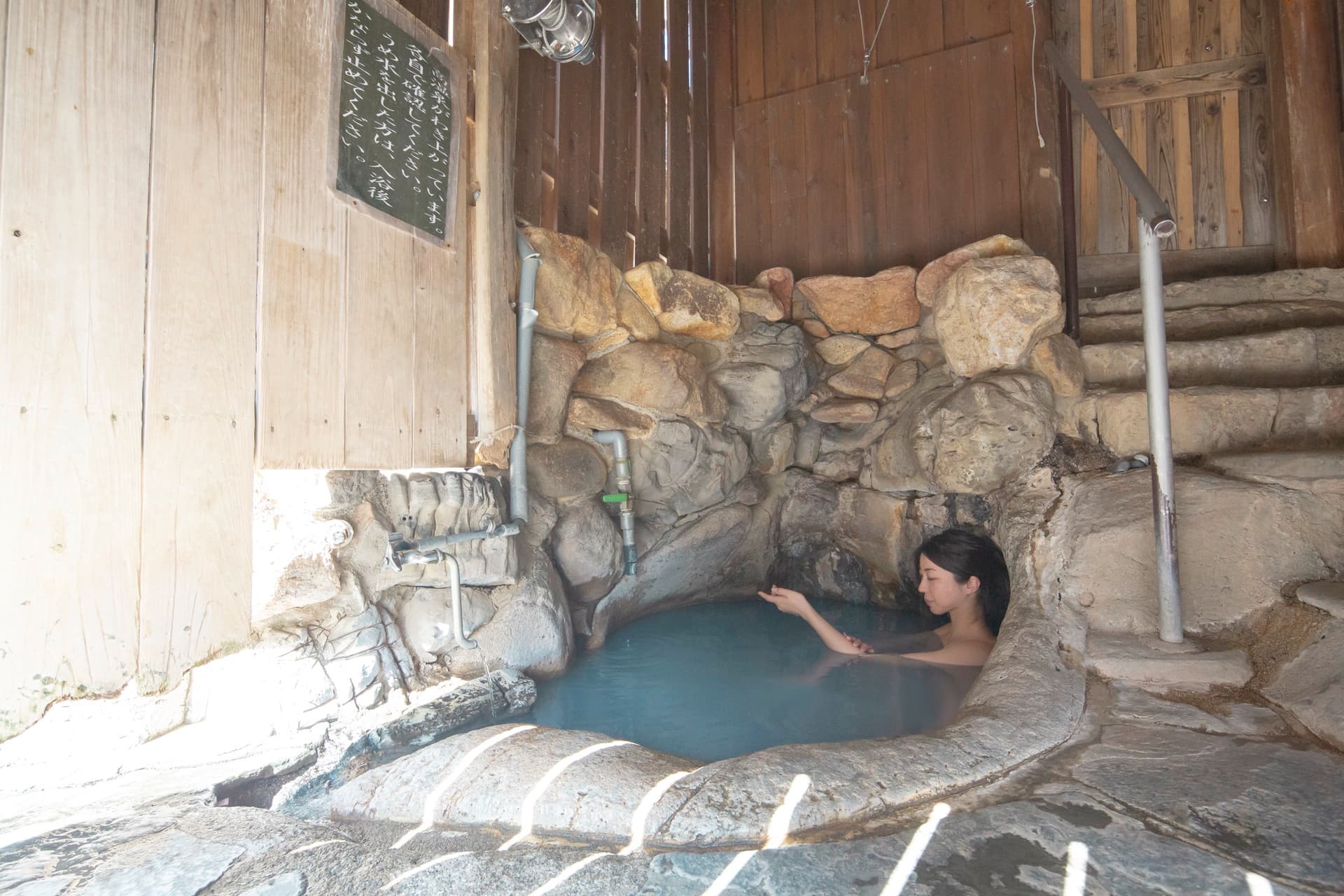
Ryujin Onsen is a mountain hot spring long loved as one of the "Three Beauty Springs of Japan" for its silky water. Ending a day filled with the scent of charcoal by sinking into the bath and letting the tension slip from your shoulders is a luxury unique to Ryujin Village.
The hot spring town isn't as bustling as major tourist destinations, so simply spending time after your bath listening to the sound of the river is a pleasure in itself. Whether you stop by for the day or stay overnight, scheduling your experience for the morning to midday leaves you with a relaxed afternoon.
A Sample Day Itinerary
- Morning: Head to Ryujin Village from the Tanabe or Shirahama area. Allow plenty of time for the mountain roads.
- Around midday: Tour or take part in a charcoal-making experience and hear stories about the kiln and the craft.
- Afternoon: Bathe at Ryujin Onsen. Take your time and include breaks.
- Evening: Head home before dark, or settle in for a relaxing overnight stay.
The road to Ryujin Village includes stretches of continuous curves. If you're driving, especially in seasons with early sunsets, try to set out and move along at an unhurried but timely pace.
In Closing
Touching the world of Kishu Binchotan charcoal-making reveals the resources nurtured by Kumano's mountains and the accumulated handwork of its people. Follow it with a soothing soak in the hot springs, and the satisfaction of your journey deepens all the more.
As another mountain story beyond the Kumano Kodo, we hope you'll consider adding the charcoal-making experience and Ryujin Onsen in Ryujin Village, Tanabe City to your travel plans.
Image: 湯の峰温泉 つぼ湯 (via 熊野本宮温泉郷)((公社)和歌山県観光連盟)