 LOCAL FIT KUMANOBack to list
The Kumano Kodo in winter has fewer people and crisp, clear air, making it a great season even for beginners. However, choosing what to wear is where many stumble in winter. The ancient trails of Nakahechi in Tanabe City run through deep cedar and cypress forests, and the way your body feels can change dramatically between sunlit spots and shade.
In this article, we go one step beyond "what to wear" and organize our thinking around three scenarios—walking, resting, and descending—focusing on when to put layers on and when to take them off.
What to Know Before Walking Nakahechi in Winter
Nakahechi is a route that follows the Oji shrines, winding along mountain ridges and valley paths. In winter, be mindful of these three points:
- Sunlight has a hard time reaching into the forest, and shaded areas can feel chilly
- Stone pavements and fallen leaves after rain stay damp, chilling you from your feet
- Days are short, so long breaks can make you feel rushed
Rather than judging by the temperature number alone, you'll make fewer mistakes if you assume "warm while moving, cold when you stop."
How Beginners Should Think About Clothing by Scenario
Starting Out: Set Off Feeling "A Little Cold"
Even if it's cold at the start, your body will warm up after 10 to 15 minutes of walking. Bundling up too much from the beginning causes you to sweat quickly and then get chilled. A good benchmark is feeling "a little chilly" at the trailhead.
Climbing: Take Off a Layer Before You Sweat
A common issue in winter hiking is getting chilled from sweat. Instead of taking off layers after you've gotten hot on the climb, remove your jacket or fleece just before you feel too warm. It helps to pack your outer layer in an easily accessible spot in your backpack.
Resting: Put a Layer On as Soon as You Stop
During breaks, sweat cools and your body temperature drops quickly. The trick is to quickly throw on a lightweight down jacket or fleece before you sit down. Bringing a thermos with a warm drink also helps you relax.
Descending: Protect Your Hands and Toes
On descents, you move less, so your fingertips and toes get cold. Lightweight gloves and a spare pair of socks provide peace of mind. The ground is often damp too, so choose shoes with non-slip soles.
The Basics: "Three-Layer System" + Accessories
- Base layer: Long sleeves in synthetic or wool fabrics that wick sweat away. Avoid cotton, which dries slowly and chills easily
- Middle layer: Something like a lightweight fleece. This is your main tool for temperature control by layering on and off
- Outer layer: A waterproof, windproof jacket to block wind and rain
For bottoms, stretchy, easy-to-move-in pants work well. For accessories, a hat (one that covers your ears), lightweight gloves, and a neck warmer are reliable allies. The neck is an easy place to quickly add or remove layers for adjustment.
Three Things Beginners Should Keep in Mind
1. Don't be greedy with distance: The sun sets early in winter, so plan a route with plenty of time to spare
2. Check the weather forecast just before you go: Conditions in the mountains can differ from the coast
3. Have the courage to turn back without pushing yourself: If you feel cold or tired, an early decision leads to safety
Summary: Walking the Winter Kodo by Layering
Winter in Nakahechi is a season to slowly savor clean air and quiet forests. The right answer for clothing isn't "wear a lot," but being able to adjust to each situation. If you can add and remove layers in rhythm with walking, resting, and descending, even beginners can enjoy the stillness of the ancient trail without being overwhelmed by the cold. Head out to the winter Kumano Kodo with a light step.
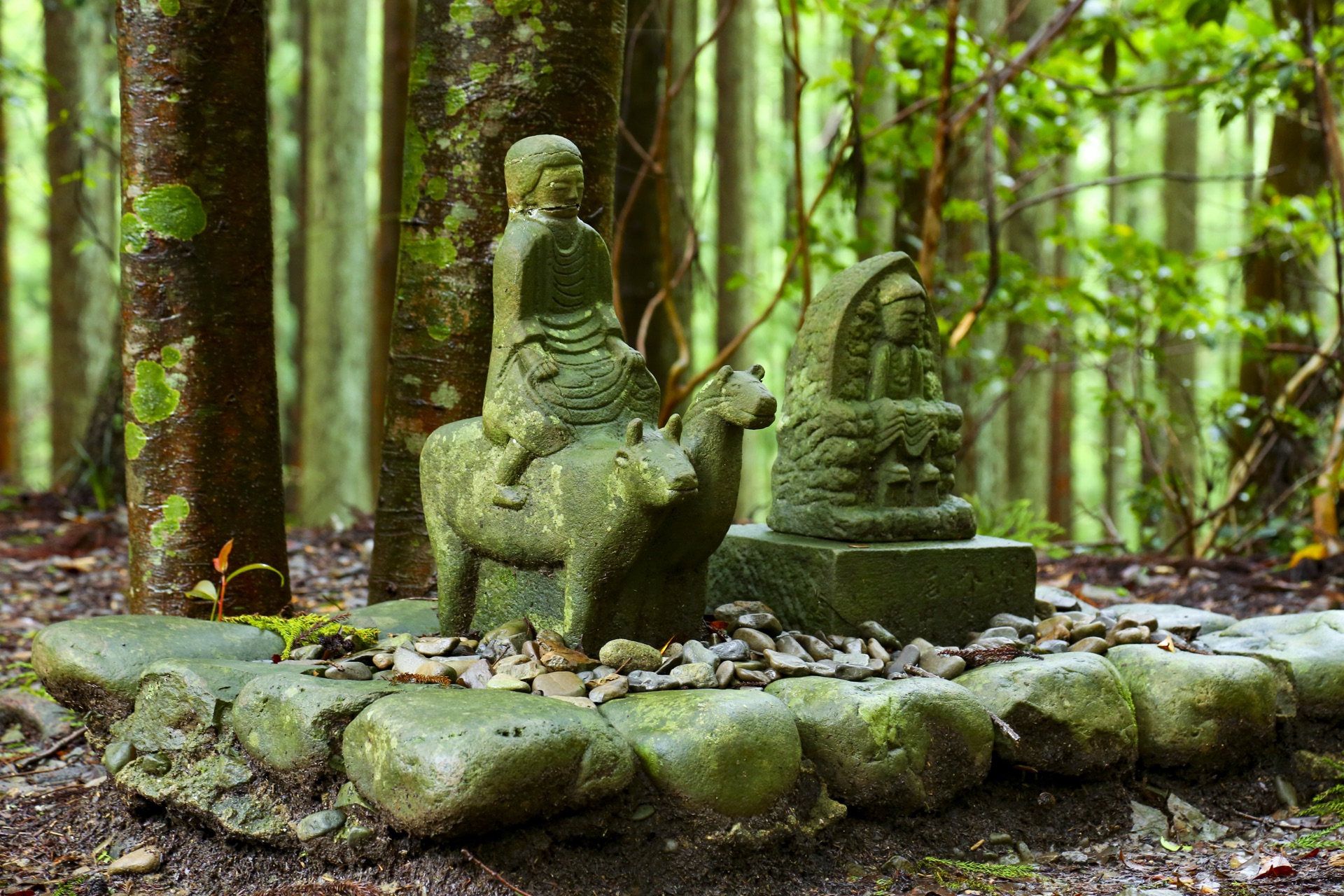
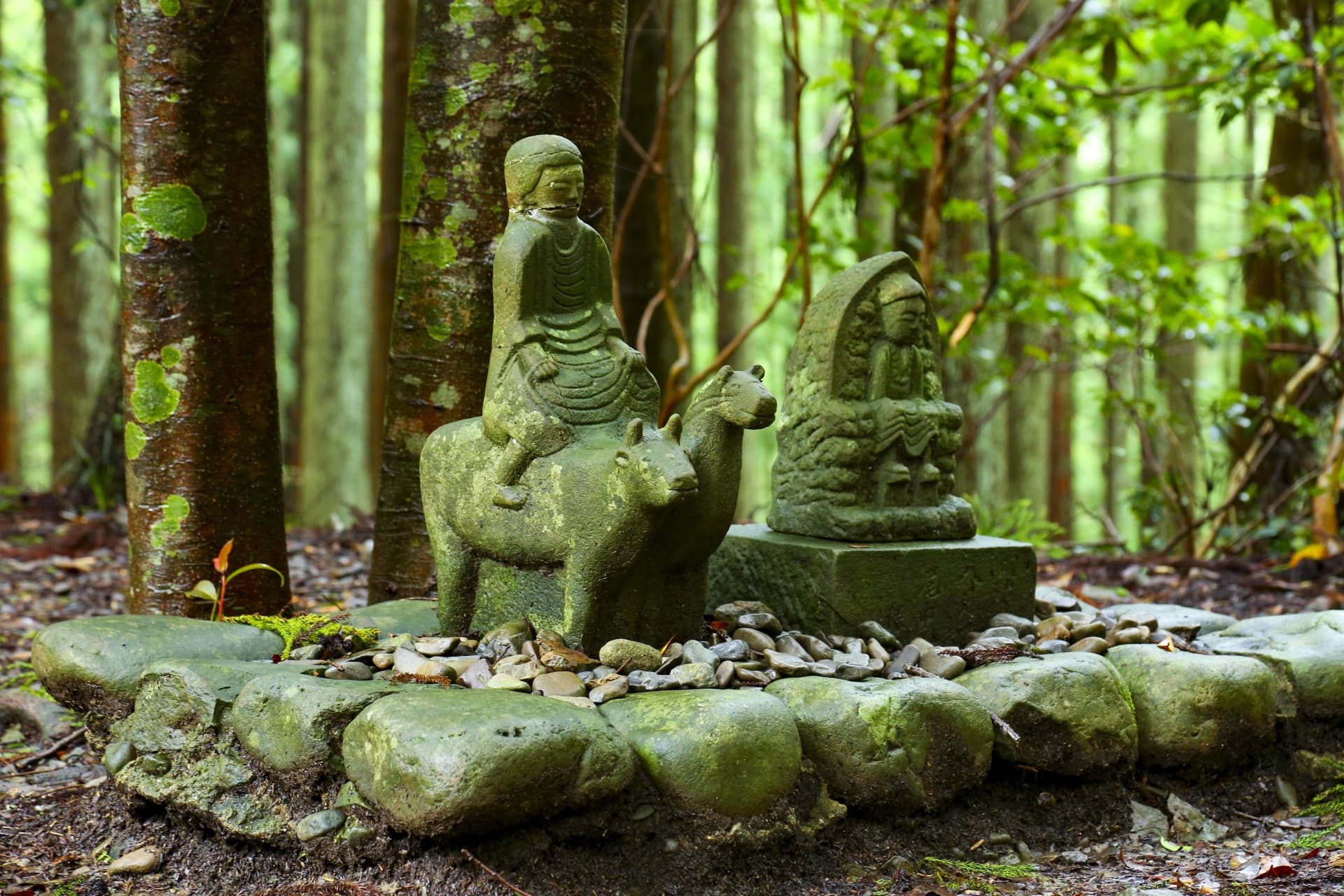
Image: 熊野古道中辺路 牛馬童子 (via (公社)和歌山県観光連盟)