LOCAL FIT KUMANOBack to list
On the way to Kumano, when you start seeing more "ume (plum)" signs a little past Shirahama and Tanabe, you've arrived in Minabe Town. It's the home of Nanko plums — synonymous with umeboshi — a town where life has long been intertwined with plums. In this article, we'll use the Ume Shinko-kan (Plum Promotion Hall) as a starting point to explore the history of plums and the depth of umeboshi as a worthwhile side trip.
Why Minabe Is Called "The Town of Plums"
Minabe is known for its distinctive scenery of plum trees spreading across mountain slopes. Plums have supported local life here since ancient times. It is said that during the Edo period, plums — which can grow even on poor soil — took root as a local industry.
Today, the integrated system of plum orchards, surrounding satoyama forests, and human activity has been recognized as the "Minabe-Tanabe Ume System," a Globally Important Agricultural Heritage System. Its appeal lies in the quiet farming landscape, quite different from the bustle of typical tourist spots.
Encountering the History of Plums and the World of Umeboshi at Ume Shinko-kan
To appreciate the plum town more deeply, we recommend first stopping by a place like the Ume Shinko-kan, where you can get acquainted with plum-related materials and local specialties. Learning how plums are grown and processed — things you can't grasp just by looking at the orchards — will greatly enhance how you see the landscape afterward.
*Note: Exhibits, opening hours, and fees are subject to change. Please check the official information for the latest details before visiting.*
What Kind of Plum Is the Nanko?
The Nanko plum is a variety known for its large size, soft flesh, and thin skin. The name comes from research into superior varieties led mainly by a local high school (Nanko = "Minabe High School"). This story of a plum nurtured by the entire community is very much in character with Minabe.
Imagining How Umeboshi Are Made
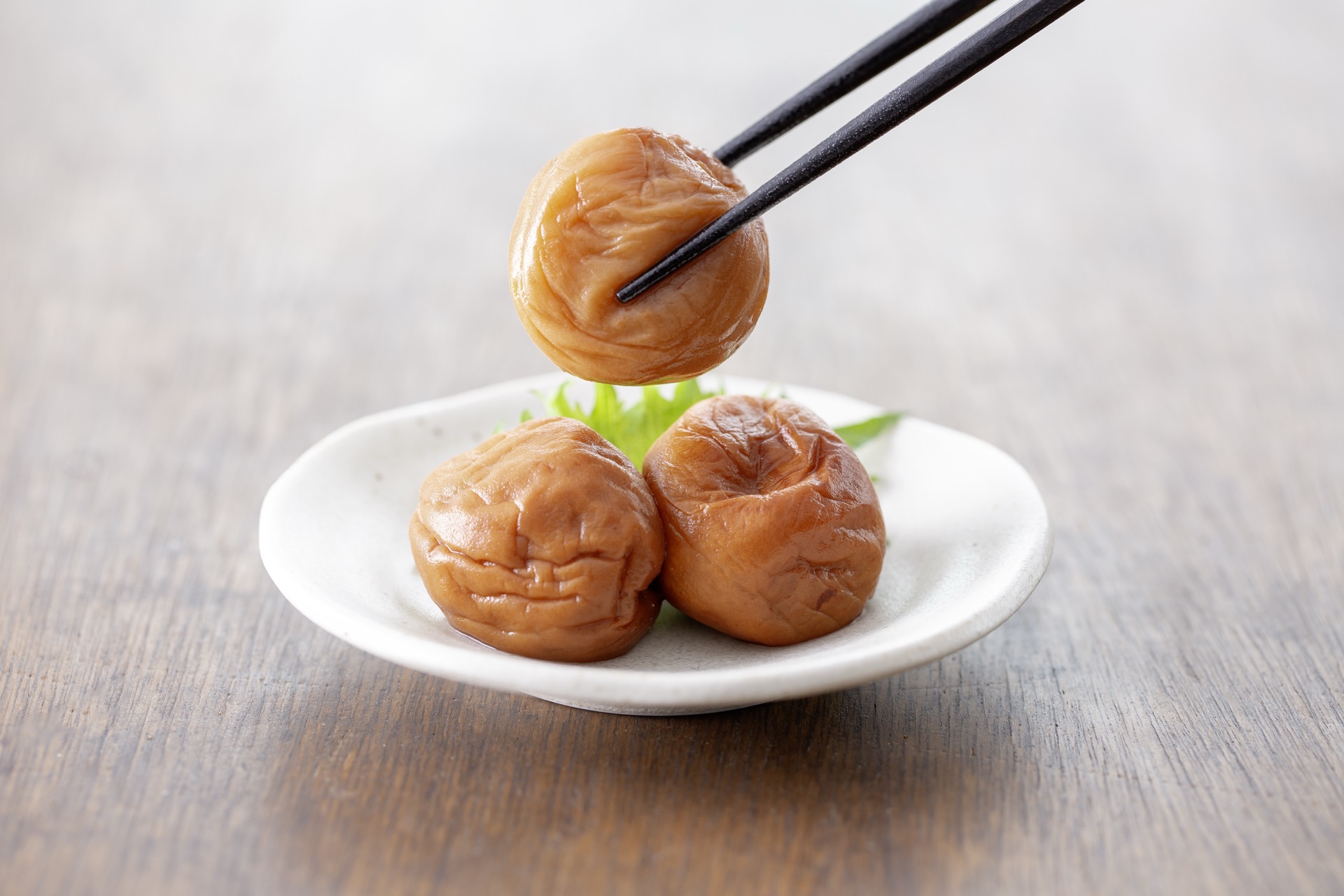
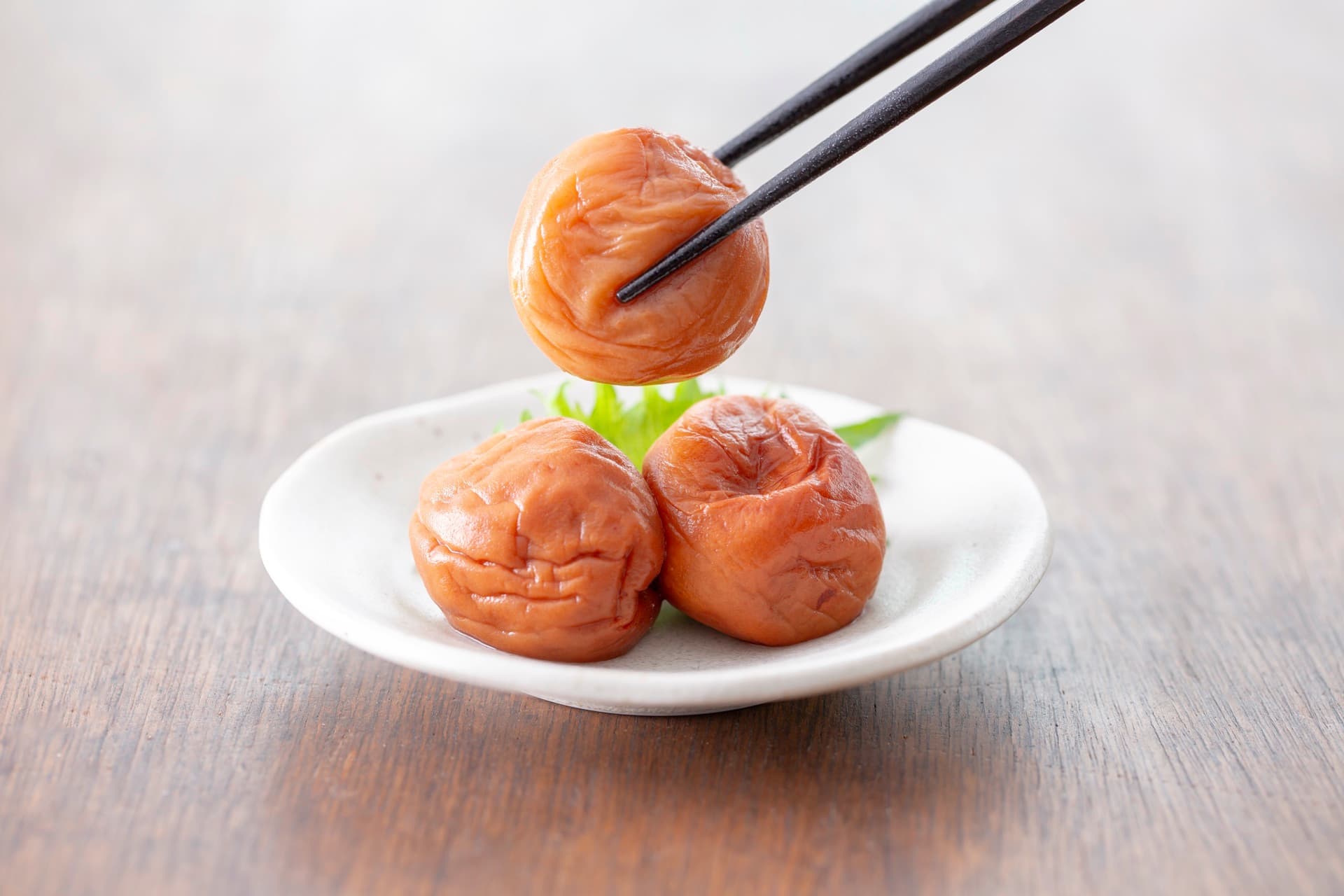
Umeboshi are finished through a process of harvesting, salting, and sun-drying. Harvesting the fruit in early summer and drying it under the summer sun is a seasonal tradition of this region. Once you know the process, each bite will feel different from the umeboshi you're used to.
Seasonal Ways to Enjoy Minabe
- Winter to early spring: Plum blossom season. The orchards are blanketed in white and faint pink, and a sweet fragrance fills the air.
- Early summer: Harvest season. The fresh green scent of plums spreads through the village.
- Summer: Drying season. You may come across scenes of umeboshi lined up to dry.
The town shows a completely different face in each season, so enjoy "the plums of now" according to when you travel.
Tips for Planning Your Trip and Taking Something Home
Minabe is conveniently located on the route from Shirahama or Tanabe toward Kumano. Fitting it in as a one-hour to half-day side trip before or after walking the Kumano Kodo adds a welcome breath to your journey.
As for souvenirs, umeboshi come in many varieties — honey-marinated, reduced-salt, and more. They're easy to choose as gifts for family, coworkers, or yourself. When visiting or shopping, please be mindful of crowds and traffic, and take care not to disturb local workers in orchards or workshops.
Summary
When you taste umeboshi after learning about the history of plums and the background of the Nanko variety, your trip to Kumano becomes more deeply rooted in the region. On your pilgrimage to these sacred lands, consider adding time to connect with the blessings of everyday local life.
Image: 梅干し (via (公社)和歌山県観光連盟)