 LOCAL FIT KUMANOBack to list
Minabe, the "Town of Plums" | A Tasting Journey in the Home of Nanko Plums
Located in the central part of Wakayama Prefecture next to Tanabe City, Minabe Town is known as the leading producer of Nanko plums (Nanko-ume). It's close to Tanabe, the gateway to the Kumano Kodo, making it easy to stop by before or after your Kumano journey.
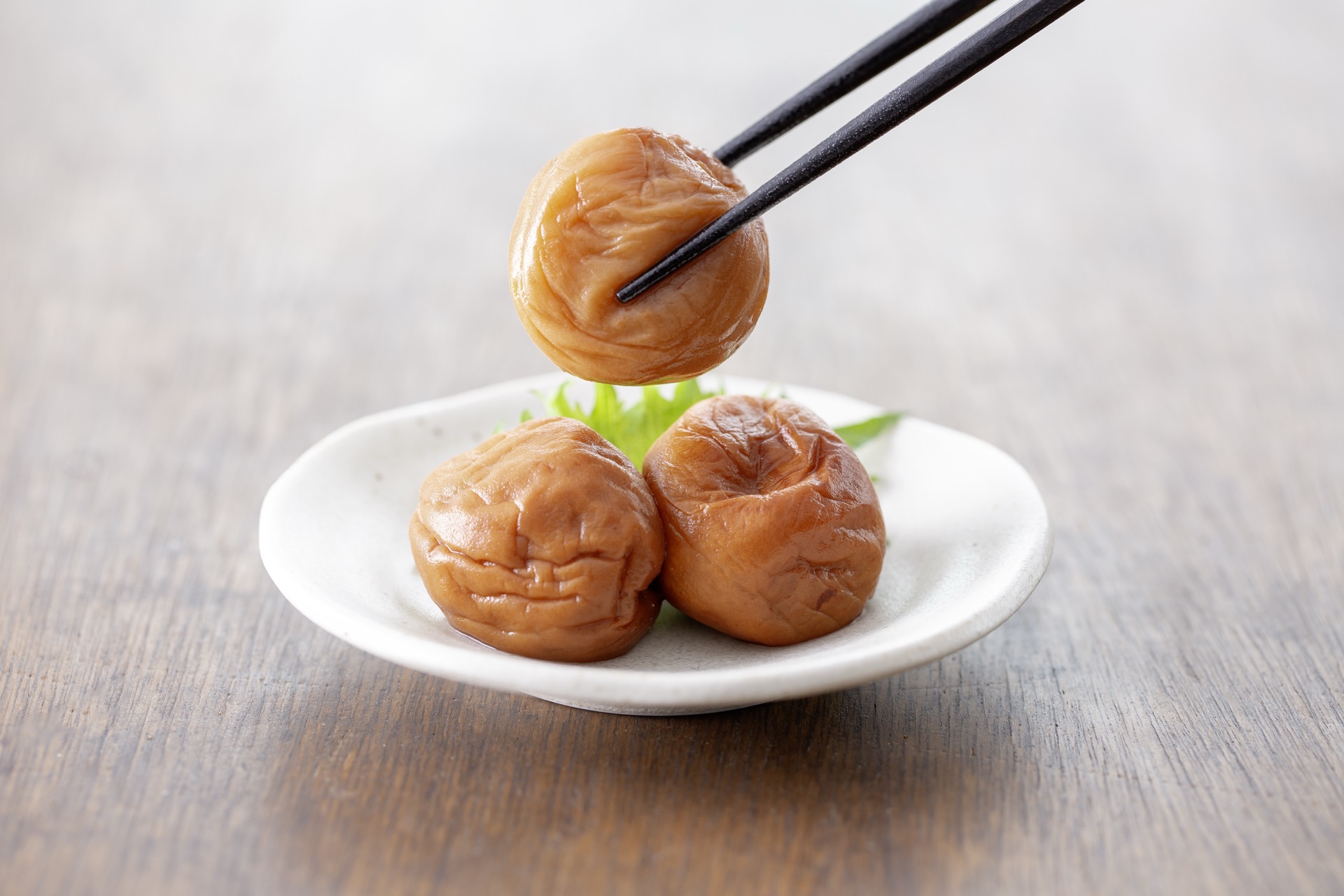
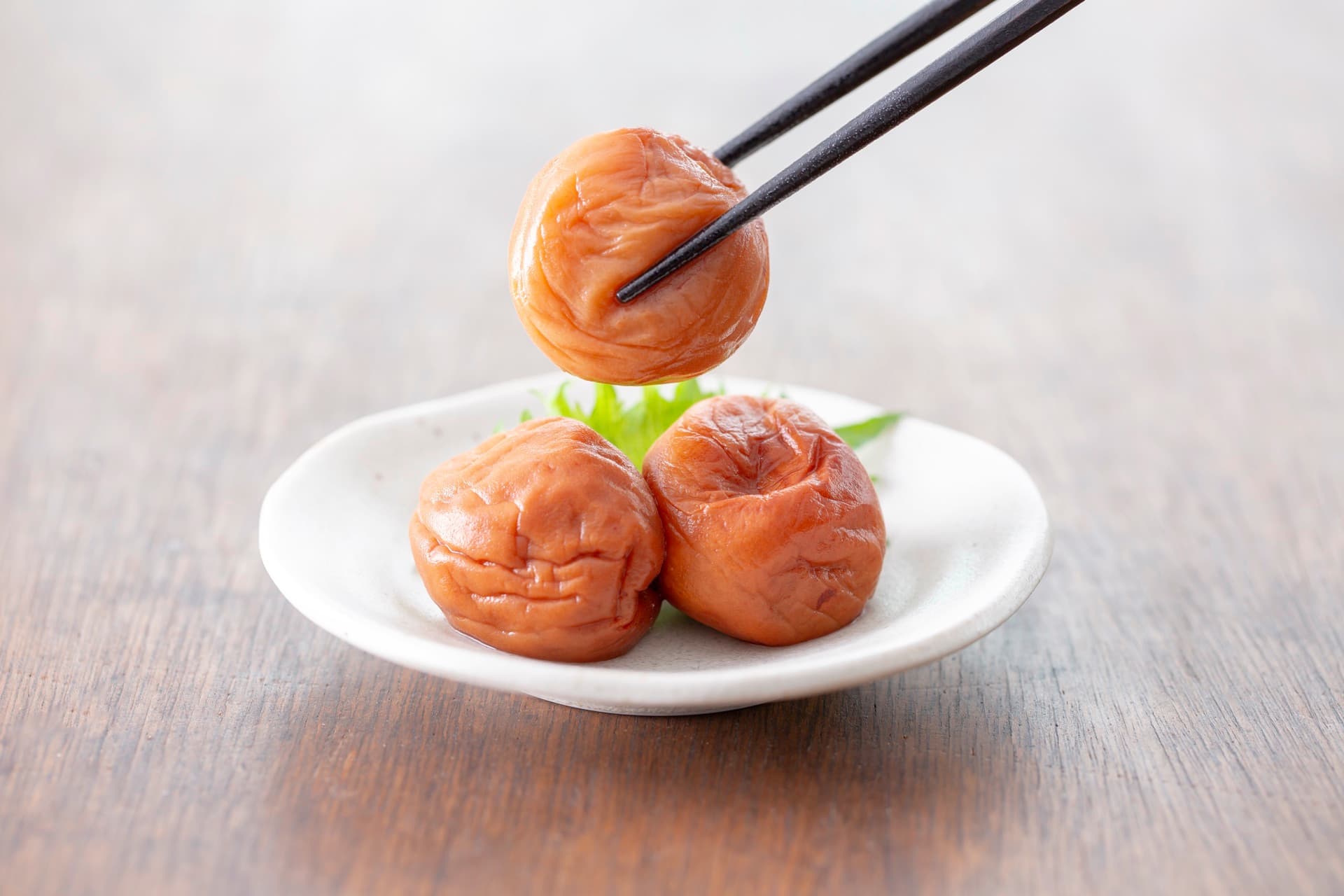
Plums are present in daily life throughout the year, and you can encounter all sorts of plum-based flavors — umeboshi, umeshu, plum juice and more — all around town. In this article, we'll introduce, from a local perspective, how to choose Minabe's Nanko plum, umeboshi, and umeshu souvenirs, along with ways to enjoy the food culture centered on plums.
What Kind of Plum Is the Nanko-ume?
Nanko-ume is a variety of Japanese plum known for its large size and soft flesh. With thin skin and relatively small pits, it's beloved for making "plump, satisfying" umeboshi. The name is said to come from the history of local high school students who took part in researching the variety, and it's a point of pride passed down in the town.
Knowing the Plum Seasons Deepens Your Trip
Generally, plum blossoms bloom from late winter into early spring, fruit is harvested in early summer, and in summer you can see the scenery of plums being sun-dried — the town's expression changes with each season. Because the scenery you can see varies by time of year, it's a good idea to check the latest information from local tourism sources before your visit.
Tips for Choosing Umeboshi Souvenirs
Even though they all go by the name "umeboshi," the range of flavors is surprisingly wide. When choosing, consider the following points.
- Flavor style: You can choose based on preference, from traditional salty umeboshi to milder types finished with honey or kombu dashi.
- How you'll eat it: A stronger flavor pairs well with rice balls or ochazuke, while a gentler flavor is nice for eating on its own — choosing by use is one approach.
- Who you're giving it to: For those mindful of salt intake, the thoughtful choice of a milder seasoning is often appreciated.
- Ease of carrying home: Small packs or individually wrapped pieces are convenient both for giving as gifts and for home use.
Many shops offer tastings before you buy, so sampling as you choose is one of the joys of the trip.
Umeshu and Plum Products Are Also Classic Souvenirs
Umeshu (plum wine) makes the most of the fragrance and sweet-tart flavor of Nanko plums, making it a quintessential Minabe souvenir. Its charm is how the impression changes depending on how you drink it — on the rocks, with soda, or with hot water. For those who don't drink alcohol, plum juice, plum syrup, and plum jam are great alternatives.
Notes on Luggage and Carrying Souvenirs Home
Bottled items like umeshu are heavy and fragile. Rather than buying them before walking the Kumano Kodo, purchase them at the end of your trip to keep your luggage lighter. If you're returning by train or plane, it's reassuring to ask whether the shop can wrap them with cushioning material.
A Food Culture That Lives with Plums
Around Minabe, plums have taken root not merely as a local specialty but as a kind of everyday wisdom.
- An umeboshi when you're tired, or plum tea when you're feeling unwell — like a household "good-luck charm"
- The clever use of plum vinegar (a by-product of making umeboshi) in cooking
- Traditional rice balls with umeboshi served to travelers
This food culture has something in common with the ancient Kumano Kodo pilgrimage routes walked by travelers for centuries. Plums, which keep well and give you energy, are said to have been reliable companions for those walking long distances.
Tips for Combining Minabe with Your Kumano Journey
- A side trip from the Tanabe/Shirahama area: It's easy to plan a half-day stop by car or train before or after walking the old road.
- Start the morning with umeboshi rice balls: Umeboshi pairs perfectly with a packed lunch for walking the Kodo.
- Allow time for souvenir shopping on the way home: Closing times vary by shop, so we recommend stopping by earlier in the day.
Since business hours, closed days, and whether visits are permitted differ by facility, we recommend checking official information before visiting.
Summary | Wrap Up Your Journey with the Scent of Plums
Minabe's Nanko plums offer an abundance of souvenir choices — umeboshi, umeshu, and various plum products — and the more you learn about the food culture behind them, the deeper the flavor becomes. At the end of your journey through the mountains and coast of Kumano, why not stop by the town of plums? Along with stories to share with family and friends, bring home the memory of that gentle tartness.
Image: 梅干し (via (公社)和歌山県観光連盟)