 LOCAL FIT KUMANOBack to list
Minabe: The Home of the Nanko Plum
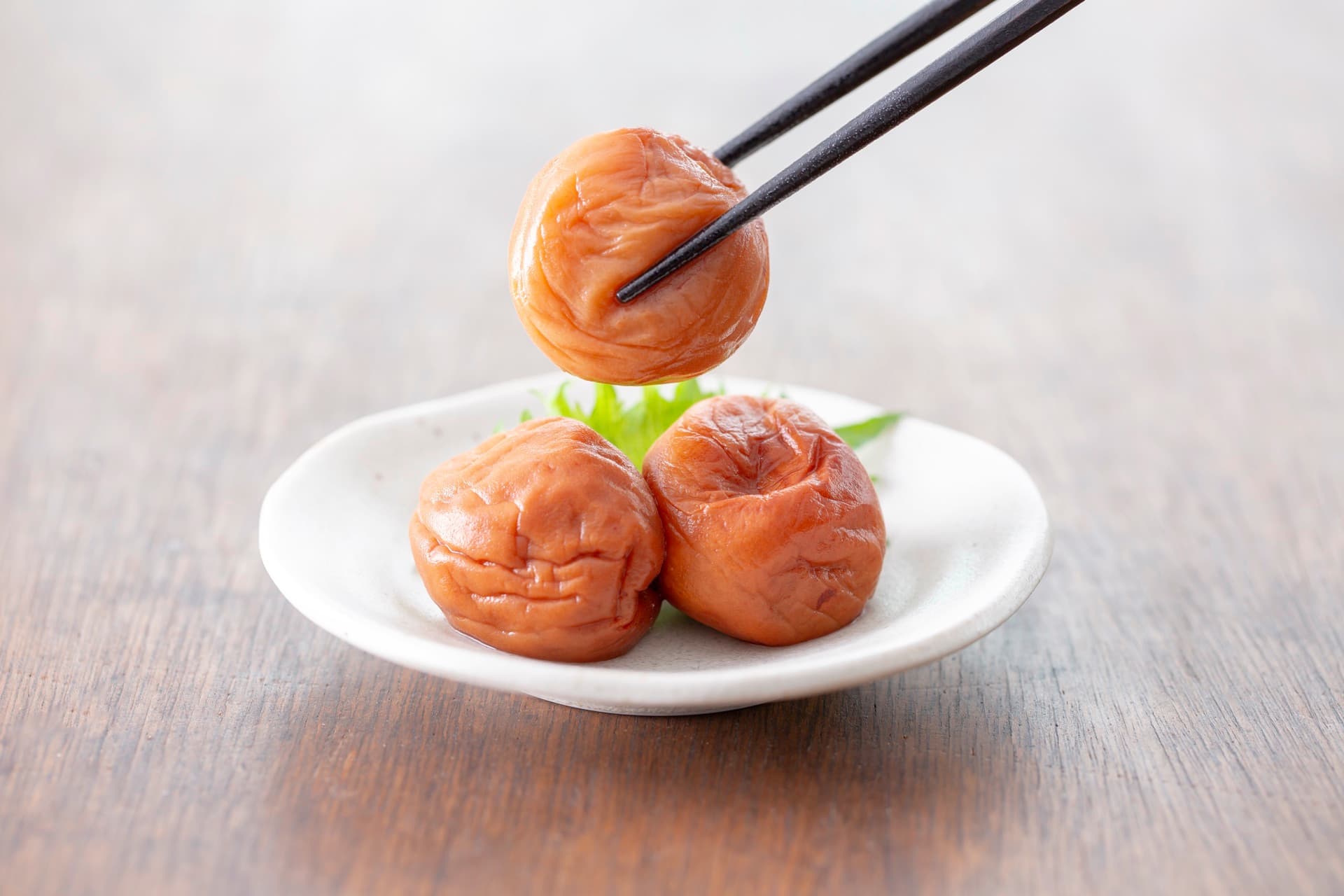
Located at the gateway to the Kumano region, Minabe Town in Wakayama Prefecture is one of Japan's most celebrated plum-producing areas. The "Nanko plum" (Nankoume) — prized for its large size, soft skin, and generous flesh — is a variety that has been cultivated in this very region.
As you drive through town, plum orchards stretch across the mountain slopes as far as the eye can see. White blossoms bloom at the end of winter, and lush green fruit appears in early summer. The charm of Minabe is that the plum-growing lifestyle is woven into the landscape itself.
Since it's an easy stop on the way to the Kumano Kodo or toward Shirahama and Tanabe, it's perfect for travelers looking for an experience where they can "taste, touch, and take home" a piece of the region between sightseeing stops.
Discover the World of Ume at Kishu Umeboshikan
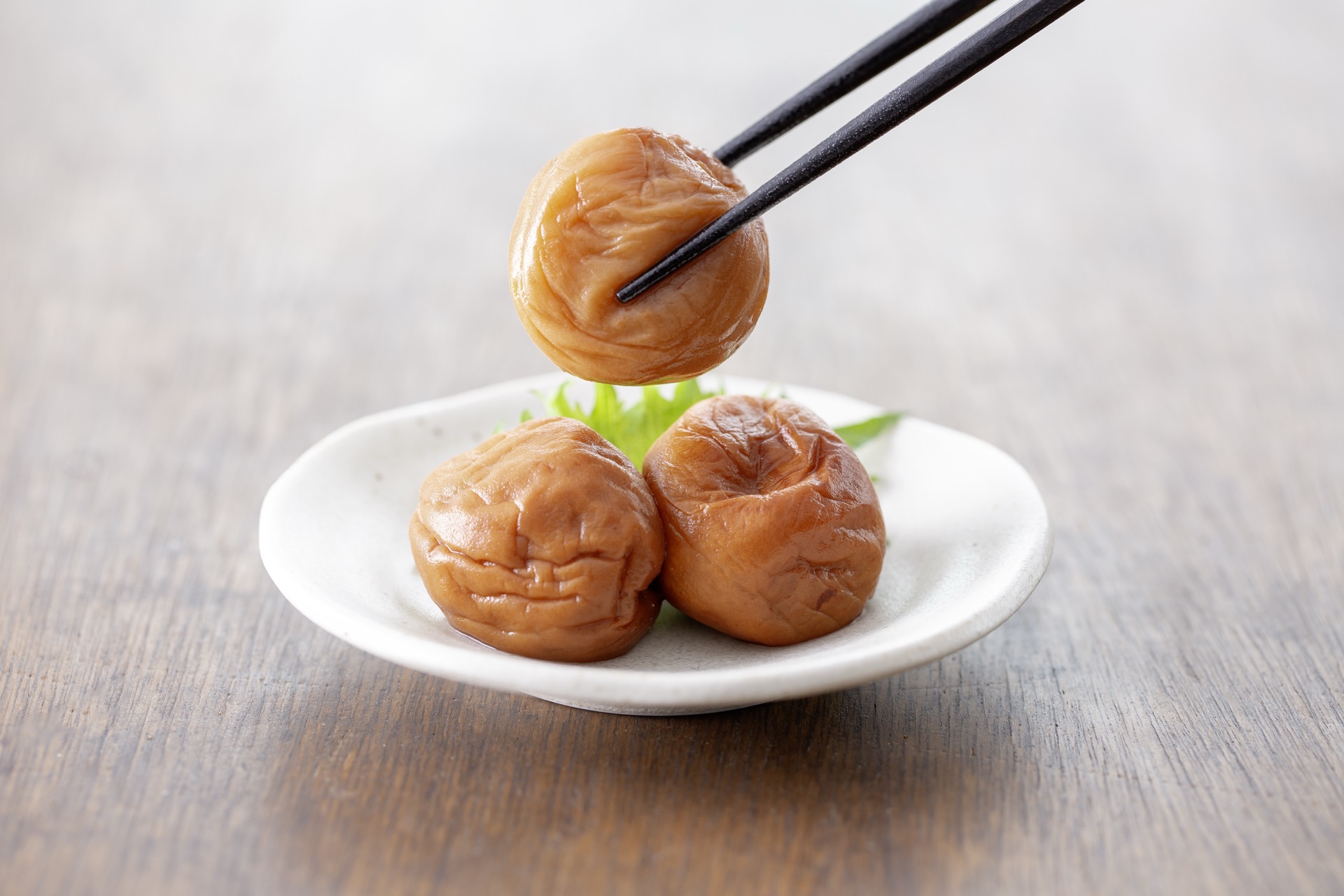
To learn about pickled plums and other ume products, a specialty facility in town like "Kishu Umeboshikan" is a convenient stop. You can discover different types of umeboshi (pickled plums) and their flavors, browse exhibits and products, and get a casual introduction to the local plum culture.
Please note that the content of hands-on activities, operating days, and reservation requirements may vary depending on the season and how busy it is. If you're hoping to try something like ume juice making, it's best to check the latest information on the official website before you set out.
Ume Juice Making Is All About the "Season"
Early summer, when fresh plums come into season, is the best time to make ume juice.
Green Plums or Ripe Plums — Which to Use?
- Green plums (ao-ume): Yield a crisp, refreshing tartness.
- Ripe plums (kanjuku-ume): Produce a mellower flavor with a gentle sweetness and soft aroma.
It comes down to personal preference, but the window when they're available is short and shifts slightly from year to year. Check with local farm stands or facilities before planning your visit to figure out "when to go to get the plums you want."
The Basics of Preparing It at Home
A typical ume juice calls for roughly equal amounts of plums and rock sugar, layered alternately in a clean storage jar.
1. Wash the plums and thoroughly pat them dry.
2. Remove the stems using a bamboo skewer or similar tool.
3. Layer the plums and rock sugar alternately in the jar.
4. Store in a cool place, gently shaking the jar from time to time.
Watching the sugar dissolve and the plum essence slowly emerge is part of the fun. One important note: green plums should never be eaten raw. After making the juice, be sure to handle the leftover plums safely as well — for example, by heating them before eating.
Tips for Enjoying It as Part of Your Trip
- Driving makes it easy: The plum orchards and farm stands are spread out, so getting around by car is the most convenient option.
- Watch your luggage: Jars and plums can get heavy. A cooler bag, ice packs, and padding for fragile items will come in handy.
- Sample umeboshi and plum sweets too: Alongside ume juice, picking out umeboshi and other plum products as souvenirs is a delightful part of the trip.
- Don't overlook the blossom season: Beyond the fruit, visiting the plum groves for their winter blossoms is also highly recommended.
Add a "Day of Plums" to Your Kumano Journey
Amid a trip filled with the Kumano Kodo and hot spring hopping, a moment to unwind is just as valuable. By experiencing Nanko plums in Minabe and trying your hand at making ume juice, the joy of your journey continues even after you return home.
A few weeks later, when a clear plum syrup finishes forming in your own kitchen, you're sure to be reminded of the mountain ranges and plum orchards of Kumano. Just check the availability and timing of activities in advance, and set off on your own Kishu plum adventure.
Image: 梅干し (via (公社)和歌山県観光連盟)