 LOCAL FIT KUMANOBack to list
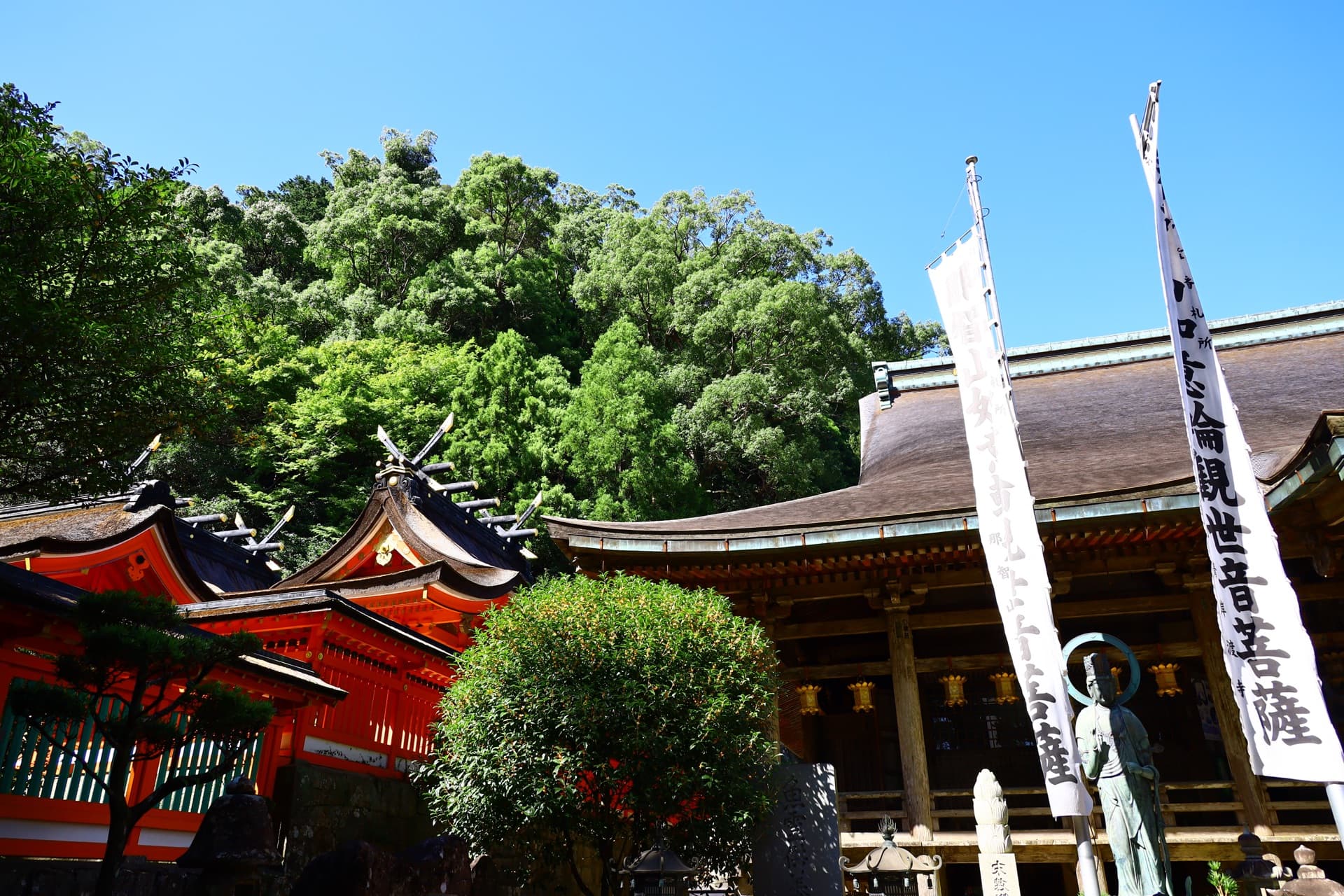
What Is Kumano Sanzan?
Kumano Sanzan is the collective name for three grand Shinto shrines in the southern Kii Peninsula of Wakayama, Japan: Kumano Hongu Taisha, Kumano Hayatama Taisha, and Kumano Nachi Taisha. Together with the temples Seiganto-ji and Fudarakusan-ji, they form the core of the UNESCO World Heritage Site "Sacred Sites and Pilgrimage Routes in the Kii Mountain Range" (inscribed 2004).
The pilgrimage trails connecting them are the famous Kumano Kodo. In short: the Kumano Kodo is the road, and the Kumano Sanzan are the sacred destinations it leads to.
The Three Shrines at a Glance
| Kumano Hongu Taisha | Kumano Hayatama Taisha | Kumano Nachi Taisha | |
|---|---|---|---|
| Location | Hongu, Tanabe (mountain valley) | Shingu (river-mouth town) | Nachikatsuura (mountainside) |
| Character | Spiritual heart of Kumano, deep in the forest | Vermilion halls and a sacred nagi tree | Shrine complex beside Nachi Falls |
| Pair with | The great torii at Oyunohara | Kamikura Shrine and Gotobiki Rock | Nachi Falls, Seiganto-ji, Daimonzaka |
Kumano Hongu Taisha
The spiritual center of Kumano faith and the goal of the Nakahechi pilgrimage route. Nearby stands Japan's tallest torii gate at Oyunohara, the shrine's former grounds.
Kumano Hayatama Taisha
Located in the town of Shingu near the mouth of the Kumano River — the easiest of the three to reach. Pair it with Kamikura Shrine, where the sacred Gotobiki Rock sits above 538 stone steps.
Kumano Nachi Taisha
Born of nature worship of Nachi Falls, Japan's tallest single-drop waterfall (133 m). The view of the falls behind the three-storied pagoda of Seiganto-ji is the iconic image of Kumano.
Why Kumano Is Called the "Land of Rebirth"
For centuries, pilgrims believed that journeying to Kumano and returning home was a symbolic experience of death and rebirth. In the age of shinbutsu-shugo (Shinto-Buddhist syncretism), each shrine was associated with a Buddha, and visiting all three was a prayer for peace across past, present, and future lives. Even today, many travelers come to Kumano at turning points in their lives.
A Pilgrimage for Everyone: The "Ant Procession"
In the Heian period (794–1185), retired emperors made the pilgrimage to Kumano more than a hundred times. The faith then spread to samurai and commoners alike — the endless lines of pilgrims were nicknamed the "ant procession to Kumano." Kumano welcomed everyone regardless of rank or gender, a spirit the region keeps to this day.
Visiting Order and Itineraries
There is no strict rule, but the classic order follows the historical route: Hongu → Hayatama → Nachi. See our guide to the Kumano Sanzan visiting order for routes by car and public transport.
FAQ
Can I visit all three shrines in one day?
Yes, by car or taxi — but your time at each shrine will be short. An overnight stay (1 night, 2 days) is the comfortable pace.
What is the difference between Kumano Sanzan and Kumano Kodo?
Kumano Sanzan are the three shrines; the Kumano Kodo is the network of pilgrimage trails leading to them. You can visit the shrines by car or bus without hiking.
Do I need to visit all three?
No. Even a single shrine offers the deep forest atmosphere and centuries of pilgrimage history that define Kumano.


