 LOCAL FIT KUMANOBack to list
Iwashiro-oji in Minabe: A Place Where the Memory of a Poem Lingers
When people think of the Kumano Kodo, many picture stone-paved paths winding through the mountains. But the Kiiji, the old route to Kumano from Kyoto and Osaka, was also a road linking coastal towns and villages. Iwashiro-oji in Minabe, Wakayama, is one of the oji shrines along this Kiiji route.
It is not a place that overwhelms visitors with grand sights. Still, as a land tied to a poem by Prince Arima, it is a spot that quietly stays in the heart of those who walk through it.
The Story of Prince Arima and the "Musubi-Matsu" (Bound Pine)
Prince Arima was a member of the imperial family who lived in the Asuka period of the 7th century. Caught up in political strife, he was suspected of plotting rebellion and, as tradition tells, was taken to the hot springs of Kii Province. The following poem from the Manyoshu is said to have been composed by him along the way, at Iwashiro.
Binding together the branches of the pines on the shore of Iwashiro, if I am safe, I shall return and see them again.
It is a prayer-poem: he ties the pine branches, hoping that if he returns safely, he will see this pine once more. The legend of the "musubi-matsu," or bound pine, spread from this very poem.
The Kumano Kodo later became known as a pilgrimage route for retired emperors and nobles. Knowing that, centuries before, Iwashiro was already a place layered with the feelings of travelers, the scenery along the walk takes on a slightly different meaning.
How to Walk Iwashiro-oji and the Kiiji Route
First, Understand the Role of the "Oji Shrines"
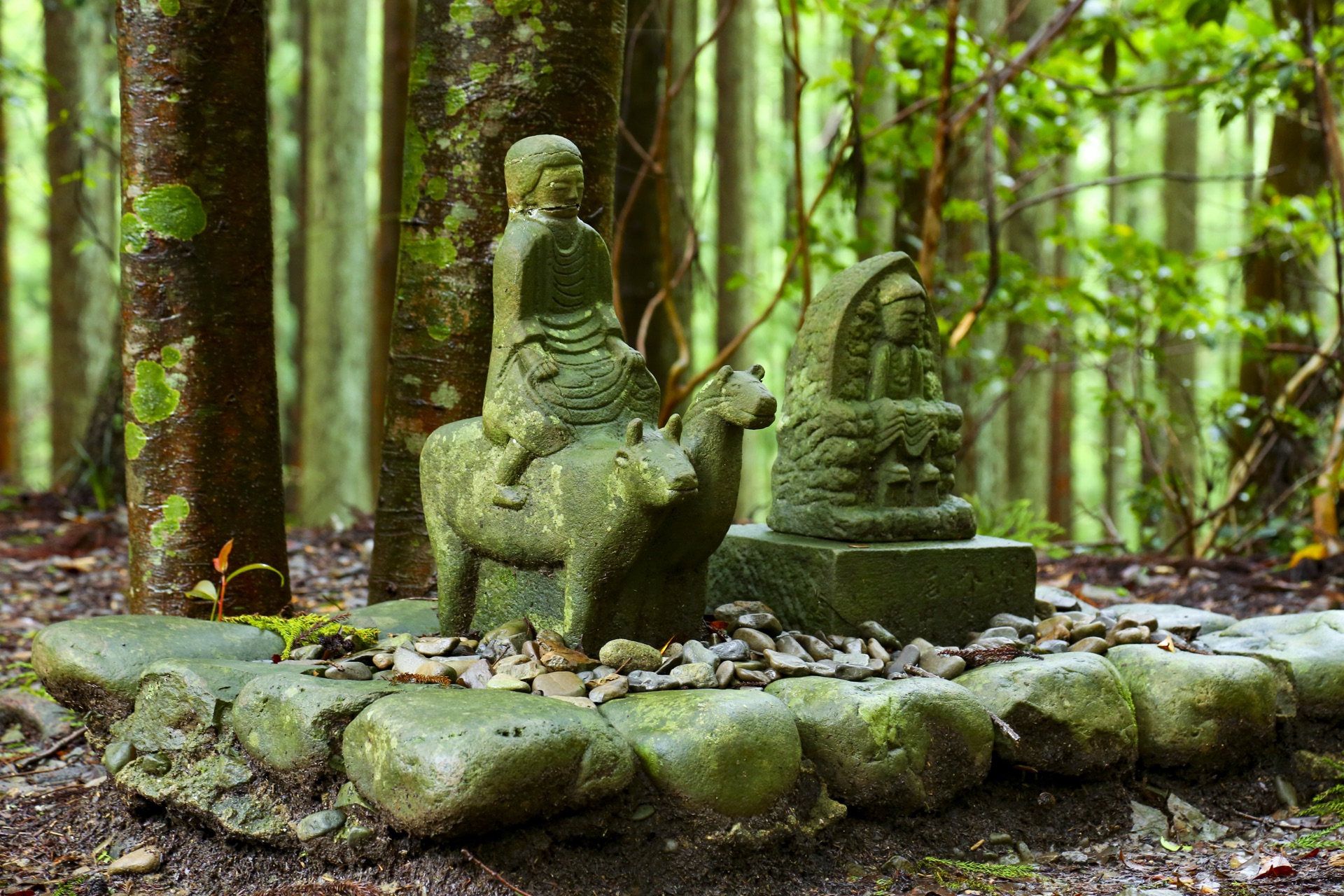
Oji shrines were small shrines dotted along the Kumano pilgrimage routes, enshrining the child deities of the Kumano gods. They were places where pilgrims offered prayers and took rest. The overall picture is covered in the article on the "Kujukuoji" (Ninety-Nine Oji), but Iwashiro-oji becomes all the more meaningful when visited together with the setting of Prince Arima's poem.
Plan Together with the Train
The nearest station is Iwashiro Station on the JR Kisei Line. However, trains are infrequent on this line, so it is wise to check departure and return times in advance. For detailed directions and local signage, please check the latest information from the town or tourism association before setting out.
Keep the Walk Short and Leave Room to Linger
The area around Iwashiro-oji and the musubi-matsu is less a place for long-distance walking than a place to pause and savor. A short stay is enough. Simply reading the poem monument and the signs, and feeling the coastal air, is deeply satisfying.
Things to Enjoy in the Area
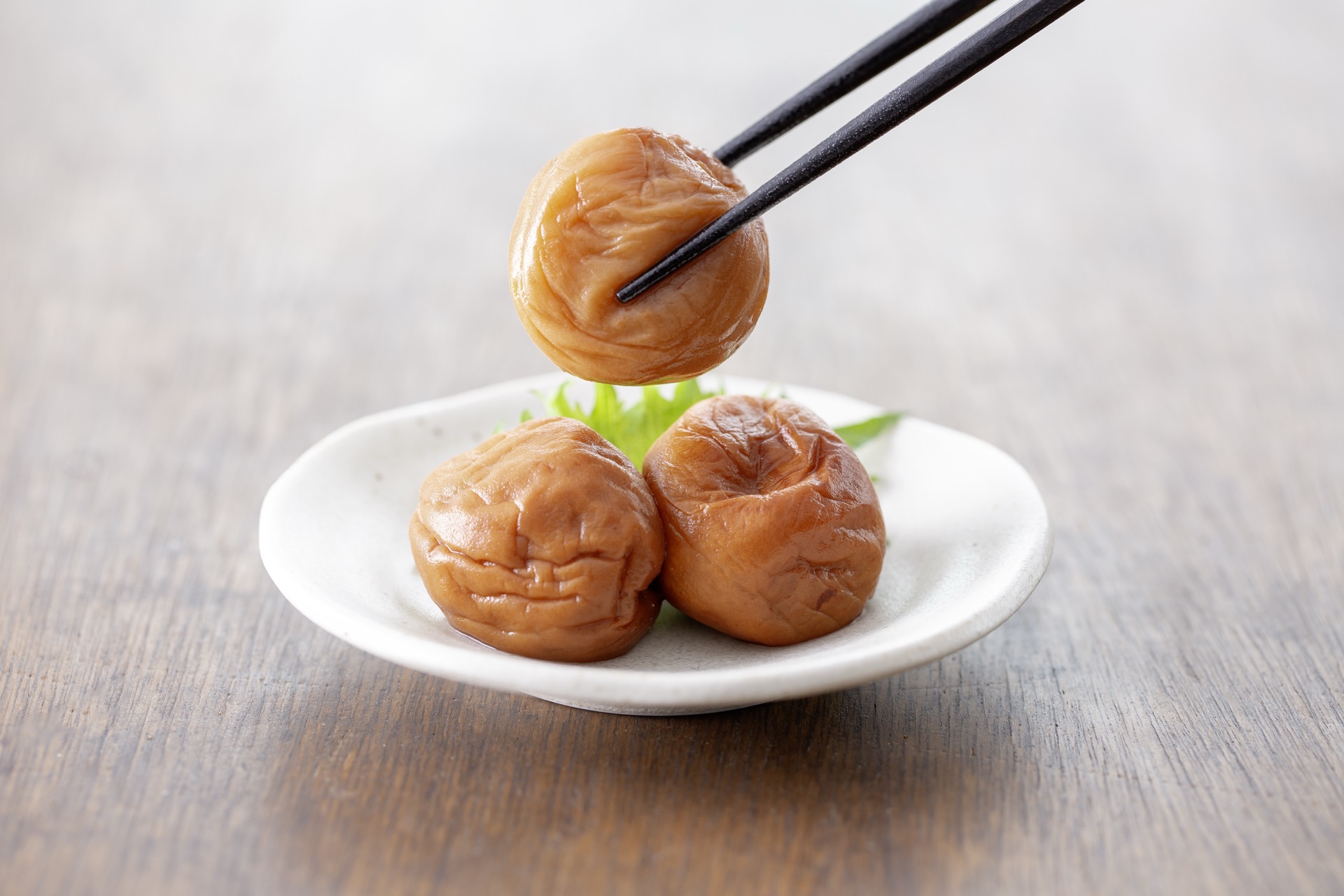
Minabe is known as a major producer of ume (Japanese plum). When the ume blossoms bloom, the whole town is wrapped in the mood of spring. If you want to combine your historical walk with the blossoms, late winter to early spring is a good guideline. The blooming period shifts slightly from year to year, so it is best to check updated information just before your visit.
Encountering umeboshi and other local flavors made with ume is another pleasure unique to this town.
Preparations and Mindset Before the Walk
- Comfortable walking shoes and a layer to handle temperature changes
- Drinks, and a notebook to look up and jot down poems (a smartphone is plenty)
- Watch out for traffic, as part of the route runs along a national road
- Follow signs and good manners at historic sites and private property
Summary
Iwashiro-oji in Minabe and the poem of Prince Arima remind us that the Kumano Kodo Kiiji route was not only a "road toward sacred ground," but also a road that carried the prayers and sorrows of many people. There is nothing flashy here. And yet, walking while picturing the wish entrusted to the pine branches—"I shall return and see them again"—turns an ordinary journey into something a little quieter and deeper. Please keep it in a corner of your mind as a worthwhile detour on your way to Kumano Hongu.
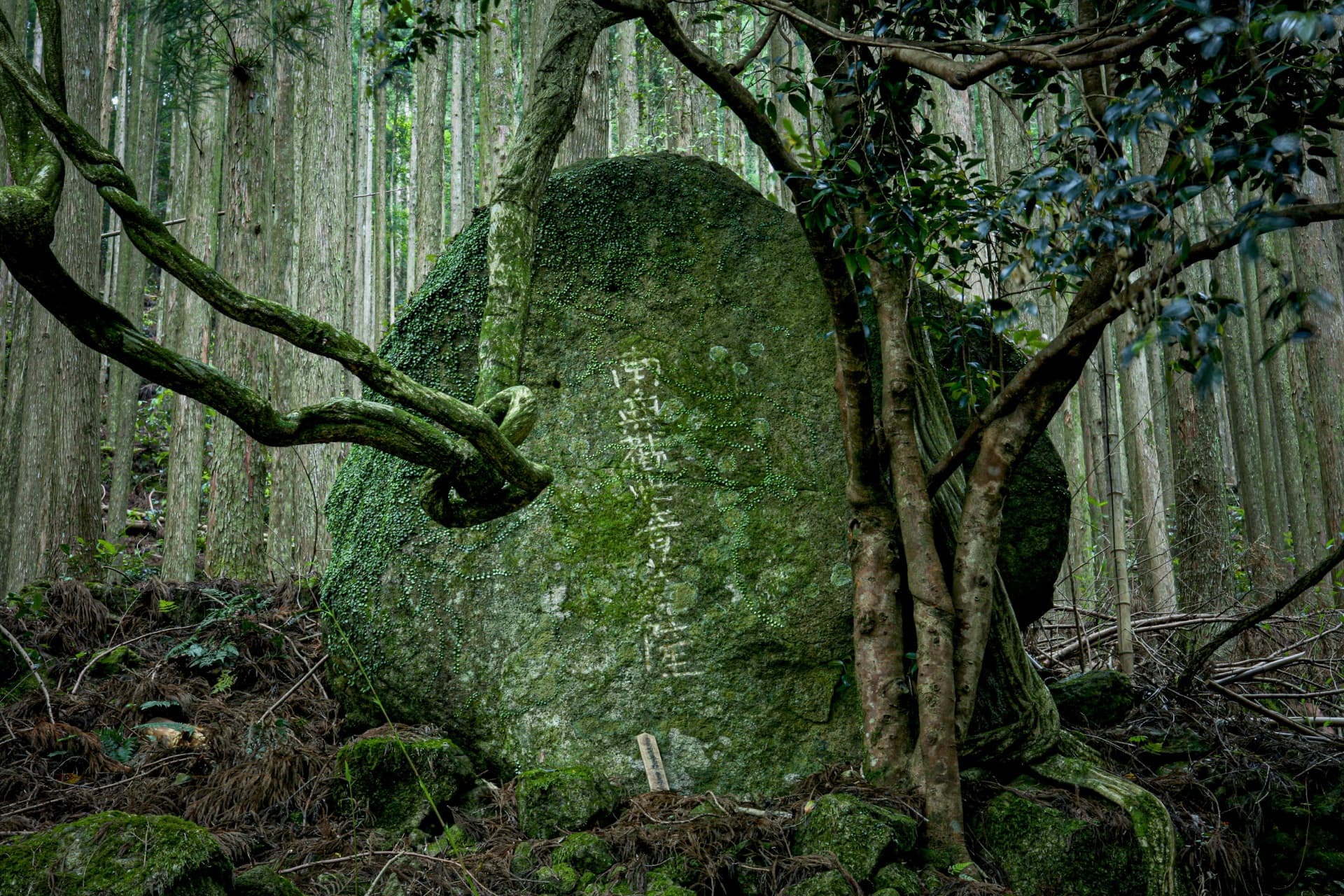
Image: 熊野古道中辺路 大雲取越 (via (公社)和歌山県観光連盟)