 LOCAL FIT KUMANOBack to list
In Yunomine Onsen, the Hot-Spring Town Itself Is the Main Attraction
Tucked into the mountains a short way from Kumano Hongu Taisha lies Yunomine Onsen. Search for "Yunomine Onsen sightseeing" and the first thing that comes up is probably bathing. But the real charm of this place is that the little valley town itself is a stage of history.
It's small enough to explore entirely on foot, so rather than packing in too many stops, simply walking while tracing "where the steam is rising from" will transform your experience of the trip.
Start at the Heart of the Town, Around Yutsubo
Rising Steam and the Scent of Sulfur
As you begin strolling the hot-spring town, white steam rises from here and there, and a faint sulfur scent drifts through the air. In the center of town is a spot where hot spring water bubbles up at its source — an iconic sight that defines Yunomine's scenery.
Cooking Food in the Hot Spring
In Yunomine, people have long used the heat of the source spring to boil eggs and other foods. Methods and rules of use are set for each location, so it's best to follow the on-site signs and the guidance of local residents. Even the few minutes you spend wrapped in steam count as a wonderful part of sightseeing here.
Tsubo-yu: Not Only to Bathe In, But to Admire
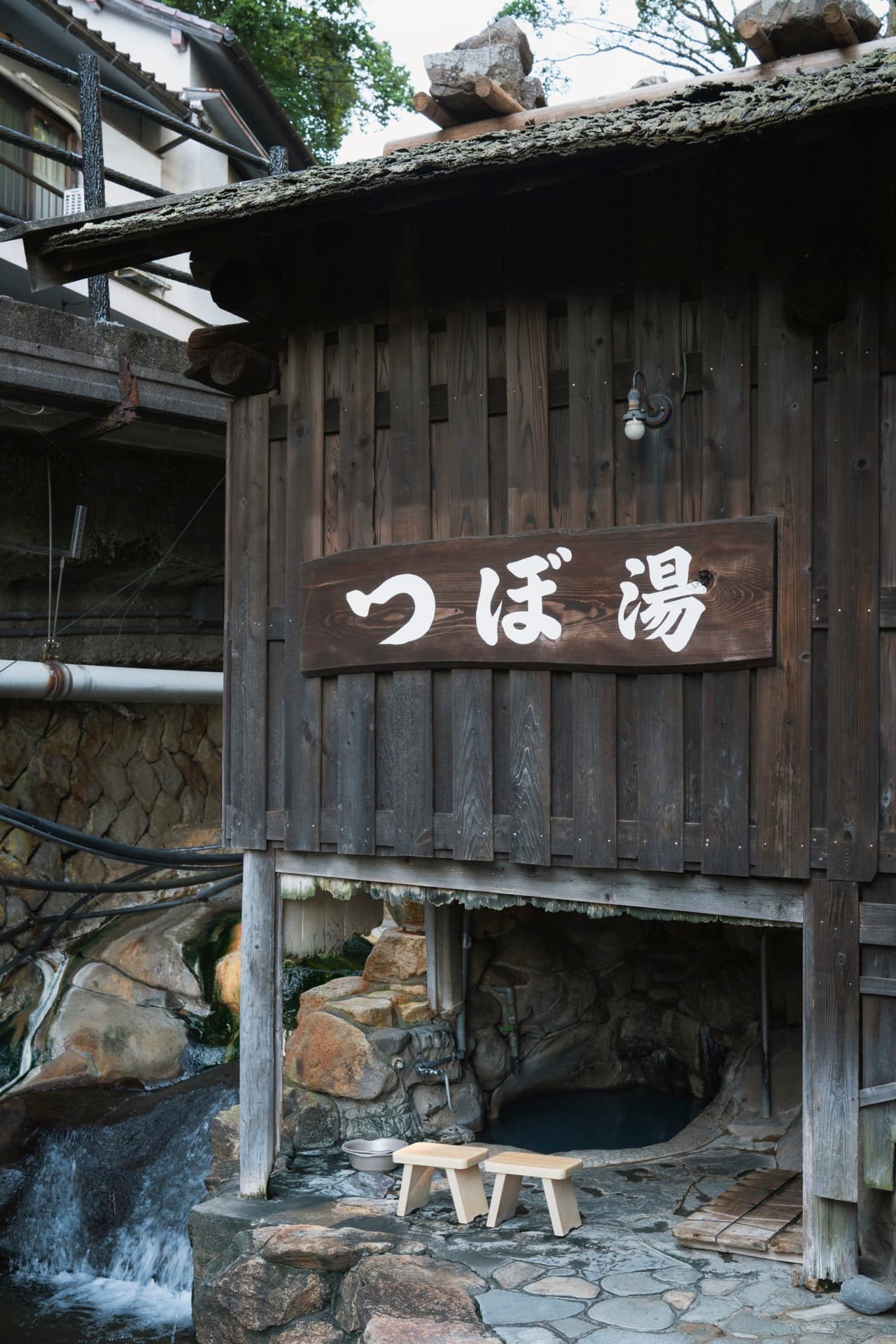
Tsubo-yu — a tiny bathhouse registered as a World Heritage Site — sits snugly beside the river. Even without bathing, just looking at its exterior and taking in the surrounding atmosphere evokes images of pilgrims purifying themselves through *yugori* (hot-spring ablution) on their Kumano pilgrimage. If you're thinking of bathing, be sure to check the latest information before you visit.
Encounter Toko-ji Temple and the Tale of Oguri Hangan
A Temple That Tells the Origins of Yunomine
Toko-ji Temple, located in the town, is said to be deeply connected to the origins of Yunomine Onsen. Legends surrounding Yakushi Nyorai (the Buddha of Healing) hint at how closely hot springs and faith were once intertwined.
A Hot-Spring Town Where a Legend of Revival Lingers
Yunomine is also known as a place tied to the legend of Oguri Hangan, famous from sekkyō-bushi (Buddhist narrative ballads). The tale of a protagonist stricken with grave illness who recovers in the waters of Kumano captures the very image of Kumano as the "land of rebirth." Walking the town with even a bit of the story in mind reveals meaning in ordinary stones and alleyways.
Take a Breather by the River
The sound of the Otonashi River flowing beside the town offers a gentler kind of healing, different from the steamy scenery.
- Stroll leisurely along the river, enjoying the contrast between steam and the sound of water
- Admire the appearance of old inns and traditional houses
- Pause to feel the openness of the sky above the valley
Tips for a Half-Day Stroll
1. Savor the steam and aroma around Yutsubo
2. Take in the exterior of Tsubo-yu and the riverside ambiance
3. Reflect on the origins at Toko-ji Temple
4. Rest by the river, then wrap things up with a bath or a meal
Since walking distances are short, the more time you have, the more you can enjoy it. Even when combined with the Kumano Kodo trail or a visit to Hongu, it's best not to hurry — let yourself fall into "hot-spring-town time." For specifics such as operating hours and bathing availability, be sure to check official information before your visit.
In Closing
Sightseeing in Yunomine Onsen is less about ticking off scattered landmarks and more about connecting steam, legend, and the sound of the river into a single thread. Precisely because it's a small town, the slower you walk, the more deeply it stays in memory. On your next Kumano journey, be sure to add a half-day stroll tracing the sources of the steam — before or after your bath.
Image: 湯の峰温泉 つぼ湯 (via (公社)和歌山県観光連盟)


