 LOCAL FIT KUMANOBack to list
Taking the Bus from Osaka to the Kumano Kodo? Start by Deciding 'Where to Get Off'
When you think, "I want to take the bus from Osaka to the Kumano Kodo," it's tempting to start by looking up boarding points and seat reservations. But the Kumano Kodo isn't a single trail — it's the collective name for a network of pilgrimage routes spread across the Kii Peninsula. Where you get off largely determines how your day unfolds, and that's what makes bus travel here so interesting.
In this article, we'll look at how to plan your day by working backward from the bus stop.
Three Main Types of Places to Get Off
1. Get Off in the Kumano Hongu Area
The area around Kumano Hongu Taisha is a great base for combining a walk on the old road, a visit to the shrine, and a hot spring stay all in one trip. You can start your visit right from the bus stop, and even add a short section of the old pilgrimage trail. For a first visit to Kumano, this is the easiest option to plan around.
2. Get Off Partway Along the Nakahechi Route
Along the route to Hongu, there are stops near oji (small roadside shrines) and the entrances to mountain passes. Getting off here lets you experience 'just a bit' of the mountain path that pilgrims walked long ago. However, once you step off, you'll usually need to walk all the way to the next bus stop before the next service. It's reassuring to decide your walking distance and timing in advance.
3. Head Toward Nachi or Shingu
If your goal is Daimon-zaka or Nachi Falls, you'll want to take the route toward Katsuura or Shingu. The stone-paved slope and the view of the waterfall are concentrated within a short distance. Since the trip from Osaka takes some time, planning for an overnight stay rather than a day trip will give you more breathing room.
'Separating Entry and Exit Points' Makes Bus Travel Easier
Unlike a car, a bus doesn't require you to return to where you started. By making your entry and exit points different, your itinerary gains a lot of freedom.
- Walk the old road in the morning, then catch a bus from a different stop in the afternoon to a hot spring
- Visit Hongu one day, then move to a different area the next
- Take different routes going out and coming back, so you don't see the same scenery twice
That said, buses in mountain areas run infrequently. The basic rule is to decide on your last bus first, then calculate your walking time backward from there.
Make Your Bus Time 'Part of the Journey'
The bus ride from Osaka to Kumano is a long one. There are ways to turn that time into more than just transit.
- When the view shifts from sea to mountains, pull out your map and review today's walking area
- Jot down the order of your shrine visits and do a final check of what you're carrying
- If you're prone to motion sickness, don't just keep reading — spend some time looking out the window
Since you may start walking immediately after getting off, keep a jacket where you can grab it quickly so you can respond to the change in mountain air.
Things to Check Before You Leave
Service frequency, travel times, fares, and seasonal timetables can change. For this reason, be sure to check the following with each bus company or local tourism association for the latest information:
- Whether there's a direct bus from Osaka or if a transfer is needed
- Whether the bus actually stops where you want to get off
- The last bus home and how much time to allow for transfers
- Whether larger luggage is permitted on board
In Summary
For a bus trip from Osaka to the Kumano Kodo, it's easier to plan if you decide 'where to get off and where to return from' before 'what time to board.' Hongu, somewhere along the Nakahechi, or the Nachi side — pick one spot first and walk only as far as feels comfortable. Beyond the gentle sway of the bus, the deep forests of Kumano are waiting.
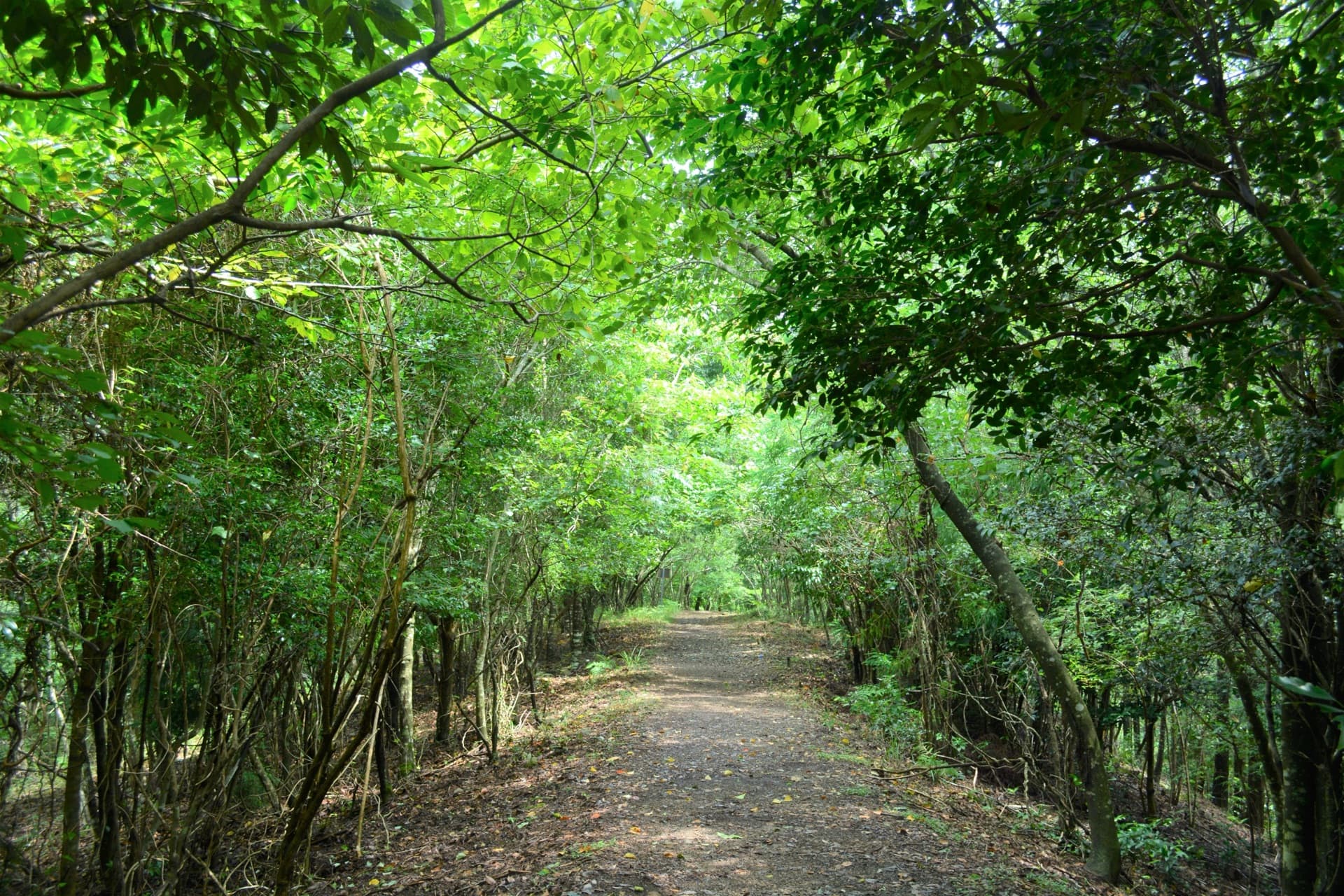
Image: 熊野古道中辺路 (via (公社)和歌山県観光連盟)