 LOCAL FIT KUMANOBack to list
The Same Path, but Different Highlights Each Season
The half-day course around Nachisan follows a classic route: from the stone-paved Daimonzaka slope up to Nachi Taisha, then on to Seiganto-ji, and finally down to Nachi Falls. The route itself stays the same year-round, but where you choose to linger can make a big difference in how satisfying the walk feels.
Here, we'll go over the basic flow, then share tips on how to adjust your pacing for each of the four seasons.
The Basic Route
1. Climb Daimonzaka, taking in the moss-covered stone pavement and the towering cedars
2. Pay your respects at Kumano Nachi Taisha
3. Visit the neighboring Seiganto-ji. Enjoy the view of the three-story pagoda framed against the waterfall
4. Walk back down the approach and look up at Nachi Falls from Hiryu-jinja
Allow about half a day in total, including time to pause along the way. How you use buses or cars will depend on the individual, so plan according to your own stamina.
Spring: Spend More Time on Daimonzaka
In the fresh-green season, the "path" itself becomes the star of the show. The stone pavement dappled with sunlight through the trees is so photogenic that progress is slower than you'd expect. Plan to stop around the Meoto Sugi (husband-and-wife cedars) and leave extra room in the first half of your walk. In exchange, try not to overpack the shrine and temple visits in the second half.
Summer: Start Early and Save the Falls as a Cool-Down
Summer makes the climb tough. Set out on Daimonzaka during the cooler hours of the morning, and try to reach the stone steps before the sun gets strong. Bring plenty of water. The air around the falls tends to feel refreshingly cool thanks to the water, so saving it for the end as a spot to rest your sweaty body gives the course a nice sense of closure.
Summer is also when festivals such as the Reitaisai take place. It's a good idea to check dates and crowd levels in advance.
Autumn: Linger Longer at Seiganto-ji
Autumn, with its crisp, clear air, is the season for enjoying long views into the distance. At the spot where you can see the three-story pagoda and the waterfall together, take your time to settle in and soak up the scenery. Keep your walking time the same, but add more "viewing time."
Winter: Factor in Short Days and Stick to the Order
Winter brings cold weather and early sunsets. Much of the Daimonzaka pavement lies in shade, so watch how dry the footing is and tread carefully. Leaving the falls for the end can leave you rushed against the clock, so start earlier in the day, or decide in advance which spots are your top priority.
Tips That Apply All Year
- Stone pavements and steps can be slippery after rain or morning dew. Wear comfortable walking shoes
- Shrines and temples have different ways of worship, so being mindful of the switch helps you settle into the right frame of mind
- Confirm your return route before you set off, and you'll feel more relaxed throughout the walk
In Summary
Nachisan is a place where the same course takes on a different character with each season. Spring is about the path, summer about staying cool, autumn about the views, and winter about managing your time. Shift the balance of your half day toward the season's "main attraction," and you'll find something new no matter how many times you visit.
For the full picture of getting to the Nachi area by car or bus, see our complete Nachi Falls access guide.
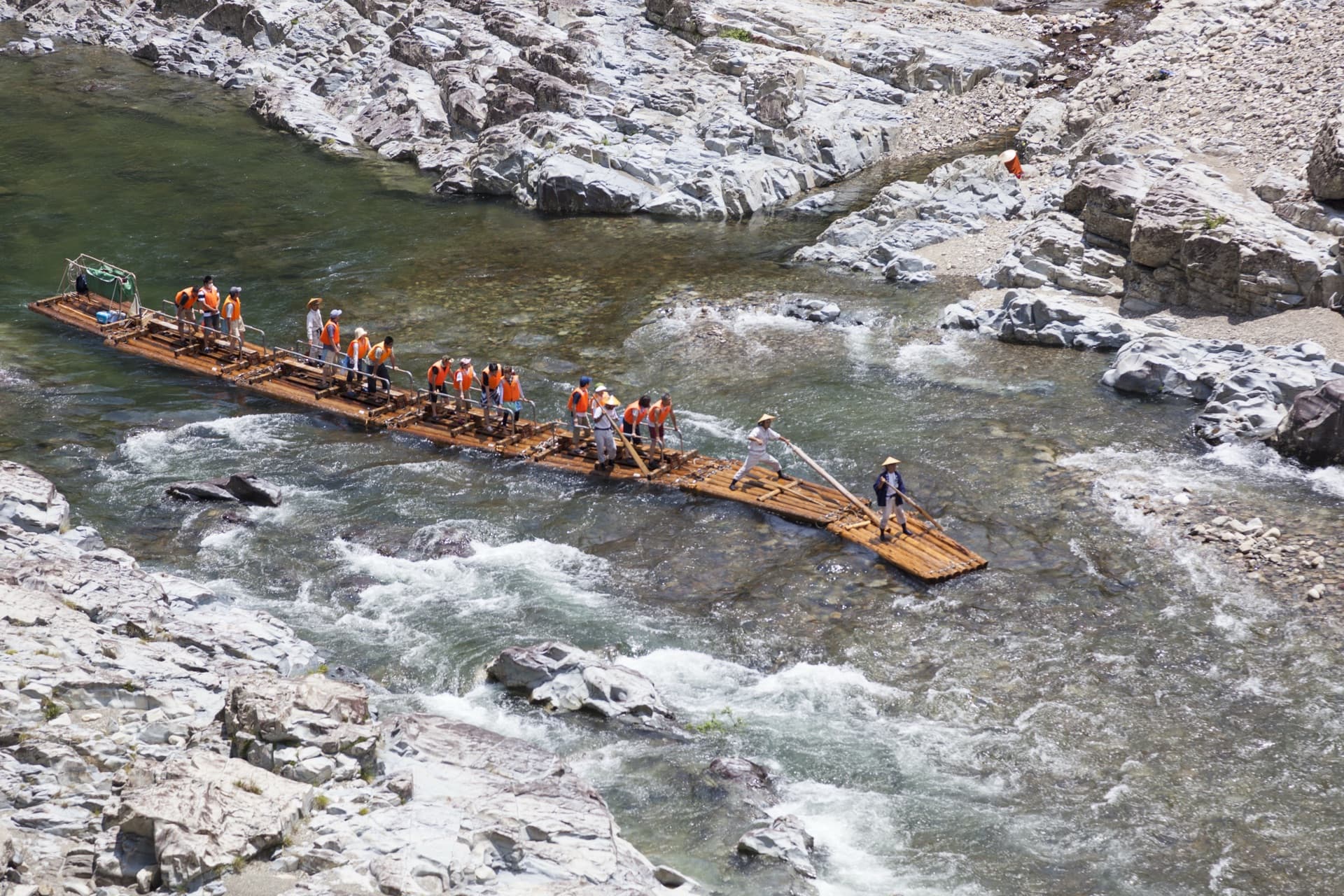
Image: 観光筏下り (via (公社)和歌山県観光連盟)