 LOCAL FIT KUMANOBack to list
How Far Does the "Nachi Falls Admission Fee" Apply? Start with the Right Mindset
Many travelers search "How much is the admission fee for Nachi Falls?" before their trip. The first thing we'd like to share is this: rather than thinking of it as "a single admission fee to enter the entire falls area," it's easier to understand if you break it down by location.
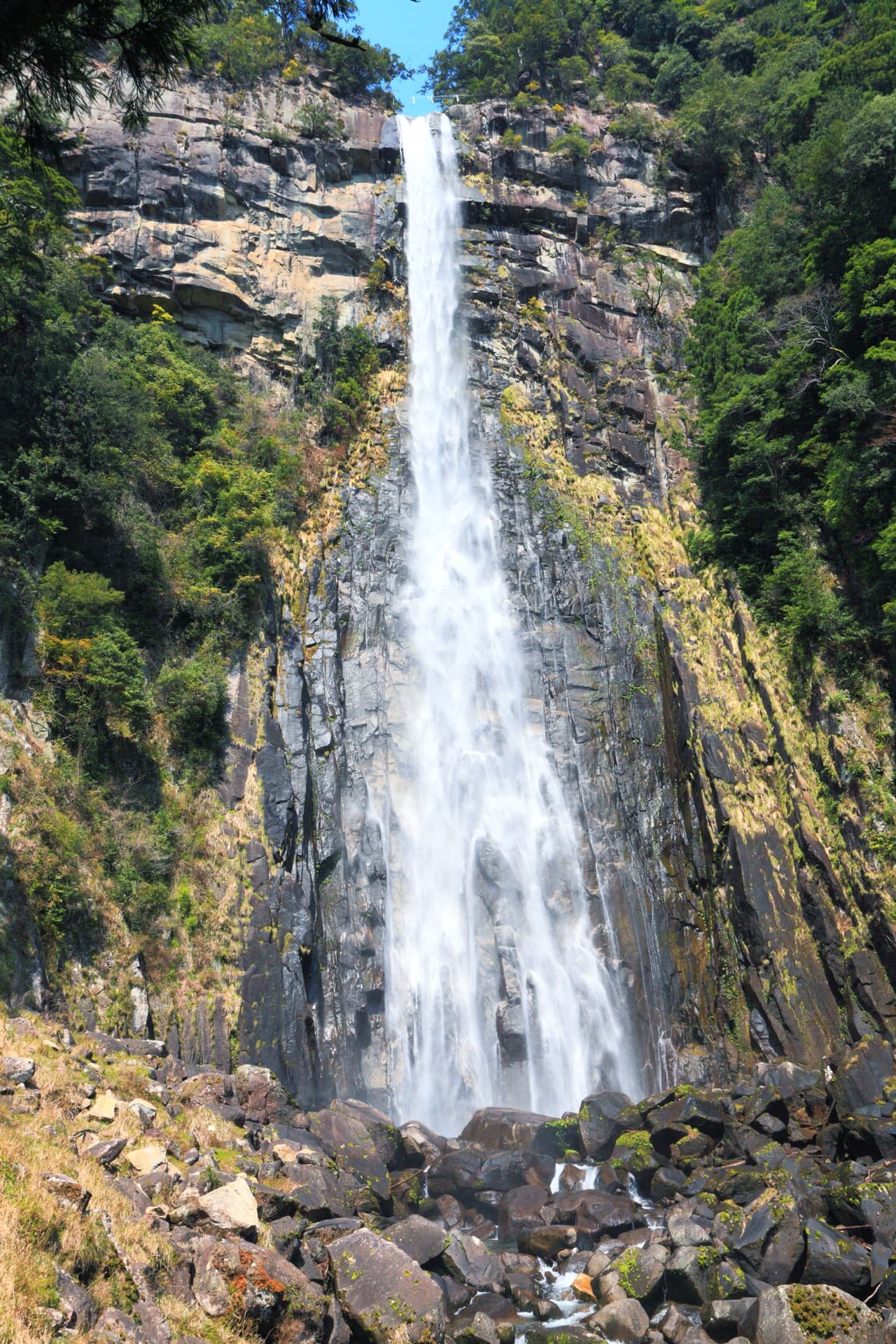
Nachi Falls is a natural waterfall that has been revered as the sacred object (goshintai) of Hiro Shrine (Hiro Jinja). Unlike an amusement park, there is no single gate where you pay one admission fee. The approach path, worship halls, surrounding shrines and temples, parking lots, and transportation each operate independently.
Since specific prices and reception hours may change, this article won't go into exact figures. Before you set out, please check official sources such as Hiro Shrine, Kumano Nachi Taisha, and the local tourism association.
Much of Mt. Nachi Can Be Enjoyed for Free
Walking the Approach and Looking Up at the Falls
As you walk the approach lined with cedar trees, the view opens up to reveal the great waterfall—one of Mt. Nachi's signature scenes. It's wonderful that you can enjoy simply gazing at the falls from the approach without worrying about any fees.
Strolling the Kumano Kodo Daimon-zaka
Daimon-zaka, with its moss-covered stone paving and lines of cedar trees, requires no admission fee just for walking. Rather than heading straight for the falls, walking this slope first to feel the atmosphere of the "path of prayer" will deepen your impression of the falls considerably.
Strolling and Praying Within the Shrine Grounds
Walking and praying within the grounds of Kumano Nachi Taisha and Seiganto-ji Temple also rarely involves a set admission fee—beyond the small offering you choose to make. However, interior tours of certain buildings or special viewings may have separate arrangements.
Costs Tend to Arise When You "Get Closer" or "Go Inside"
Worship Spots Near the Base of the Falls
Places like the "Otaki Worship Hall," where you can pray closer to the falls, may have a reception desk. Since these spots exist largely to protect the sacred realm, it feels more comfortable to think of this not as an "admission fee" but as a voluntary offering or fee for worship.
Viewing Facilities on the Grounds
Parts of the grounds—such as the treasure hall or the interior of the pagoda—may charge a separate fee for viewing. For facilities you're interested in, it's best to check the information boards on site.
Costs Other Than Admission Fees
- Transportation such as local buses and taxis
- Parking fees if you come by car
- Tea or meals during breaks
- Goshuin (shrine stamps), omamori (charms), and other items received at the shrine
If you focus only on the "admission fee for the falls," these other expenses may actually add up to more than you expect.
Small Preparations So You Won't Be Flustered on the Day
1. Bring plenty of small change: Cash often makes things smoother at worship halls and reception desks.
2. Check official information the day before: Fees, hours, and accessible areas can change.
3. Don't assume "paid = more worthwhile": The view of the falls from the approach is already powerfully impressive.
4. Allow extra time: During busy hours, there may be waits to approach the worship area.
Summary: Decide How to Spend Your Time, Not Just the Numbers
Nachi Falls is a memorable place even if you only gaze up at it from the approach. Do you want to get closer and offer a prayer? Do you want to take your time viewing the facilities on the grounds? The smart way to enjoy your visit is to choose where to spend money according to your own travel style.
Rather than fixating on whether there's an admission fee, visit with the mindset of "paying a respectful call on the gods' waterfall," and take your time to savor the atmosphere of Kumano.
Image: 那智の滝 (via (公社)和歌山県観光連盟)