 LOCAL FIT KUMANOBack to list
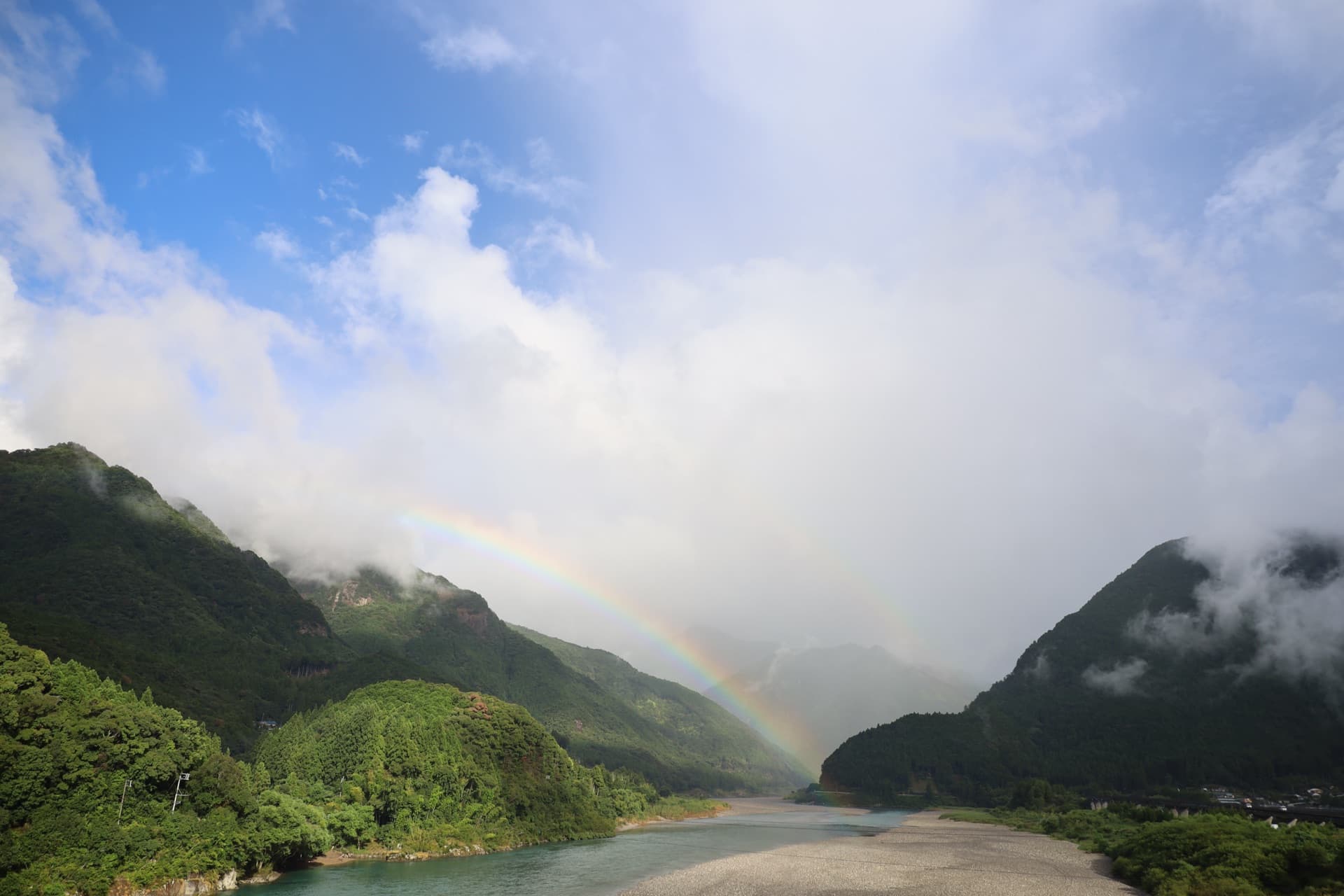
Close to Kumano Hongu Taisha, standing on the banks of the Kumano River, is the "Kumano-gawa Kawabune Center." Many travelers may have come across its name as the booking point for traditional river boat trips.
Simply gazing at the scenery from the boat is pleasant enough, but once you know that "this river was once a road," the way you see the water surface changes completely. This article is a primer to tuck away in a corner of your mind before you board.
The Kumano-gawa Kawabune Center: The "Gateway" to a River Journey
The Kumano-gawa Kawabune Center sits along the Kumano River in Hongu-cho, Tanabe City, Wakayama Prefecture, and is known as the base for experiencing traditional river boats in Kumano. From this quiet spot nestled among the mountains, you set off on a boat journey that lets you feel the atmosphere of the "river pilgrimage route."
Operating schedules, boarding rules, and fares may change depending on weather and river conditions. Before you set out, be sure to check the official information for the latest updates.
Primer: The Era When the Kumano River Was a "Road"
The Route Pilgrims Travelled by Boat
When people think of the Kumano pilgrimage, they often picture mountain trails, but the journey from Hongu to Shingu has long been made by boat down the river as well. The Kumano River is itself a component of the World Heritage site as the "river pilgrimage route."
For pilgrims who had walked rugged mountain paths, surrendering themselves to the current must have been a precious moment to catch their breath.
Rafts and River Boats That Carried Mountain Timber
The river had another face as well: a road for daily life and industry. Timber grown in the Kii Mountains was lashed into rafts and floated down the Kumano River to the river mouth at Shingu. River boats served as a means of transporting people and goods, supporting the lives of local communities.
A pilgrimage road, a logistics route, and a lifeline for everyday living. Knowing this layered history makes it natural to listen more closely to the boatman's stories.
How to Read the Scenery from the Boat
Seeing the Mountains from Water Level
Once you're aboard, your line of sight drops to just above the water. Mountainsides looming overhead, rocks along the bank, shifting shades of green—the Kumano mountains press in from angles you'd never see on a walking trail. This "low vantage point" is one of the unique charms of the river boat.
Oyunohara and Its Connection to the River
Oyunohara, the former site of Kumano Hongu Taisha, once stood on a sandbar where the Kumano River, the Otonashi River, and other streams met. The shrine buildings were washed away in the great flood of 1889 (Meiji 22) and the shrine was relocated to its present site.
It is a sacred place blessed by the river, yet also one that speaks to the river's immense power. Watching the current flow from the boat, you can feel both sides for yourself.
Listen to the Sounds and Wind
Setting aside the engine's hum, what reaches your ears is the sound of water, the wind, and birdsong. Rather than holding up your smartphone the whole time, try putting it down for a moment and making time to simply take in the sounds.
Things to Check Before Boarding
- Operation status: May change depending on water levels and weather.
- Reservations and meeting times: Check the official information in advance.
- Clothing: It's cooler by the water than in town, and you'll feel the breeze. A light layer suited to the season is reassuring.
- Footwear: Shoes with good grip are safer when getting on and off.
Since specific conditions vary by season, here we only share general guidance.
Savoring the Afterglow in Hongu
After stepping off the boat, a visit to Kumano Hongu Taisha or Oyunohara lets you see the connection between the river and these sacred sites with your own eyes. Walking while recalling the scenery you saw from the water, even the same grounds will feel a little different.
In Summary
The boat journey that begins at the Kumano-gawa Kawabune Center is both a leisurely way to enjoy the scenery and an experience of tracing a "river road" that has endured for over a thousand years. Just knowing a little of the history before you board will make the mountains and sky reflected on the water take on a far richer story. On your next trip to Kumano, don't just walk—entrust yourself to the river, too.
Image: 熊野川 (via (公社)和歌山県観光連盟)