 LOCAL FIT KUMANOBack to list
The Best Views on the Kumano Kodo Appear in 'the Moment It Opens Up'
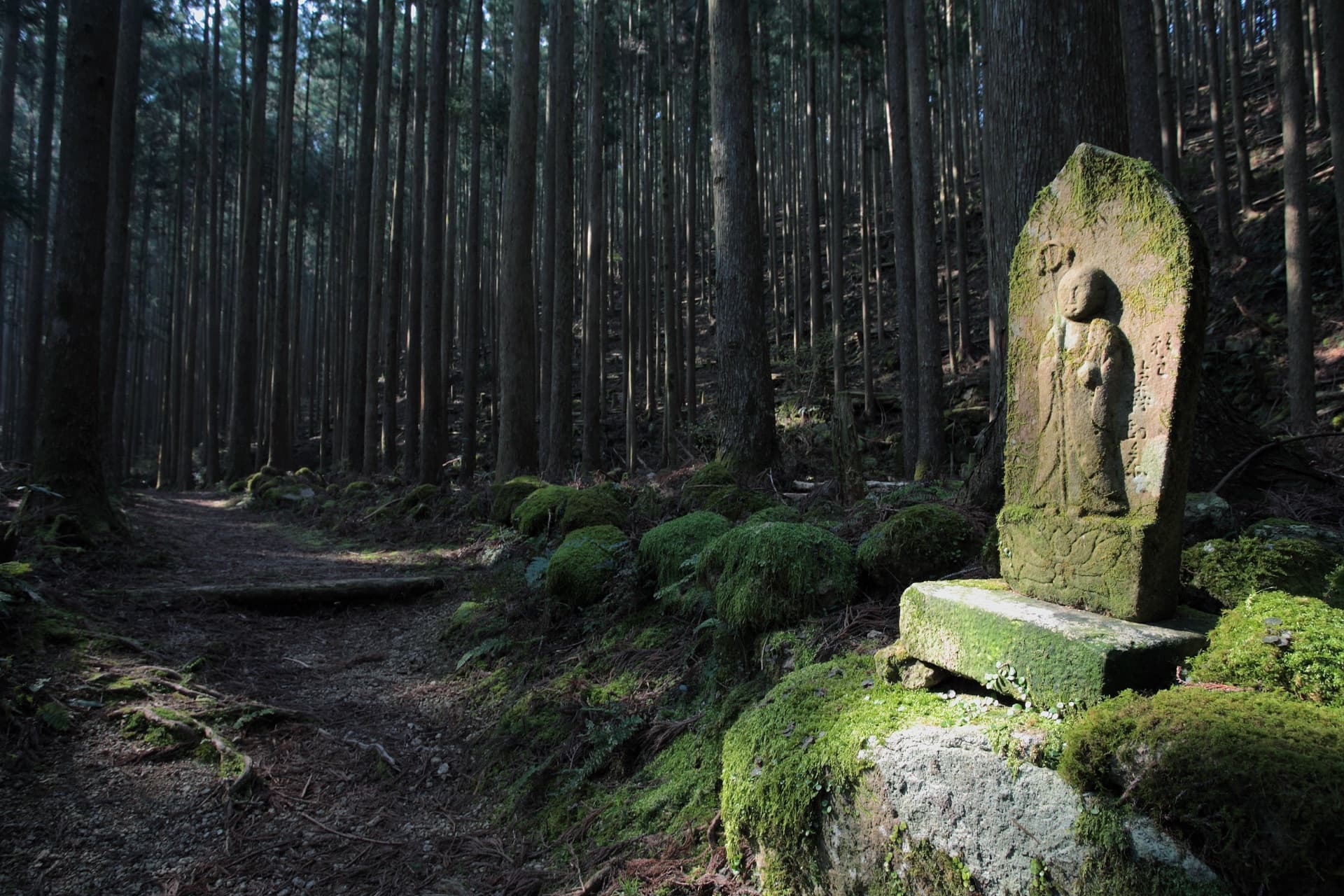
The Kumano Kodo is, at its heart, a path through the forest. Because so much of it winds beneath cedar groves and across moss-covered stone paving, the moments when the view suddenly opens up leave a lasting impression.
In this article, we've grouped 'scenic spots' not by fame or quantity, but by 'how the view opens up'—into three types. Pick whichever type suits your mood, fitness level, and schedule.
① When the Mountains Open Up | Gazing Across Layered Ridgelines
Kumano is a land of 'mountains upon mountains.' Once you reach a ridge, you can see rows of ridgelines fading from blue to grey, layer after layer.
Fushiogami-oji (Nakahechi)
This oji shrine sits along the route to Kumano Hongu Taisha. Travelers of old are said to have bowed in reverence here toward the direction of Hongu. Beyond just enjoying the view, imagining the traveler's feeling of 'almost there' makes the scenery look a little different.
Hatenashi Pass (Kohechi)
As the name 'Hatenashi' (endless) suggests, this spot is known for its seemingly endless chain of mountains. Together with the village at its foot, it's sometimes described as a 'village in the sky.' That said, it's a mountain trail, so plan your schedule and sections comfortably.
Hyakkengura (Kokumotorigoe)
Known as a ridgetop vantage point with sweeping views over the Kumano mountains. On clear days the scene is exhilarating; on misty days it looks like an ink-wash painting.
② When the Sea Opens Up | From the Mountains to the Kumano-nada Sea
One of Kumano's charms is how close its deep mountains are to the sea. While walking a mountain path, the horizon can suddenly appear before you.
Funami Chaya Ruins (Okumotorigoe)
As the name suggests ('Funami' means 'ship-viewing'), these are the ruins of a teahouse from which ships at sea could once be seen. Catch your breath on the climb and look toward the Kumano-nada Sea. The more effort you've put in, the more the view is worth.
Onigajo and Shichiri-mihama (Kumano City)
The coast on the Iseji side is less about walking and more about 'stopping to breathe deeply.' The wave-carved cliffs of Onigajo and the long, graceful arc of Shichiri-mihama make a fitting finale—letting the sea breeze wash over you after a mountain hike.
③ When Water and Rock Open Up | Scenery That Makes You Stop and Stare
Rivers, waterfalls, and rock formations are also essential parts of Kumano's scenery.
The Kumano River and Oyunohara Area
This is a land where the river itself was once a 'road.' Gazing at the river's surface from the broad gravel banks, you get a hint of what the view may have been like for pilgrims who walked the old road.
Hashigui-iwa (Kushimoto Town)
Slightly off the main Kodo routes, but the sight of rocks lined up in a row along the coast is striking. If you're venturing toward the Ohechi route, it's worth considering a stop.
Three Tips for Enjoying the Scenery to the Fullest
1. 'Don't make the view your destination.' Whether you can see it depends on the weather. On rainy or misty days, set out intending to enjoy the damp forest itself—you'll feel much better for it.
2. Look back during the climb. Spots where the view opens up are chances to pause. Turn around and you may see the path you've walked.
3. Count backward from sunset. The sun dips quickly in mountain valleys. Build in extra time for photos, too.
In Closing
The scenic views of the Kumano Kodo are less like polished advertising shots and more like scenery quietly offered to those who walk the path. Which kind of 'opening up'—mountains, sea, or waterside—will stay with you? Find out with your own two feet.
Image: 熊野古道中辺路 大雲取越 (via (公社)和歌山県観光連盟)


