 LOCAL FIT KUMANOBack to list
You can walk it without a guide — but you need some "reading skills"
"Kumano Kodo without a guide" — can you actually walk the Kumano Kodo on your own? It's a question we hear often, not only from international travelers but also from visitors within Japan.
The answer is that plenty of people are walking it this way. That said, it's important to be aware that you'll need to cover for yourself the two things a guide would normally handle: navigation and storytelling. In this article, we introduce how to read the trail markers you'll rely on when walking without a guide, and how to prepare your own personal guide notes before you set off.
Three signs to rely on along the way
1. Michishirube (trail markers)
On well-traveled sections, you'll often find markers at junctions, sometimes with text in English and other languages alongside Japanese. However, the condition and placement vary from place to place. Don't assume "there should be one here." Build the habit of stopping at every junction to check before moving on.
2. Oji shrine information boards
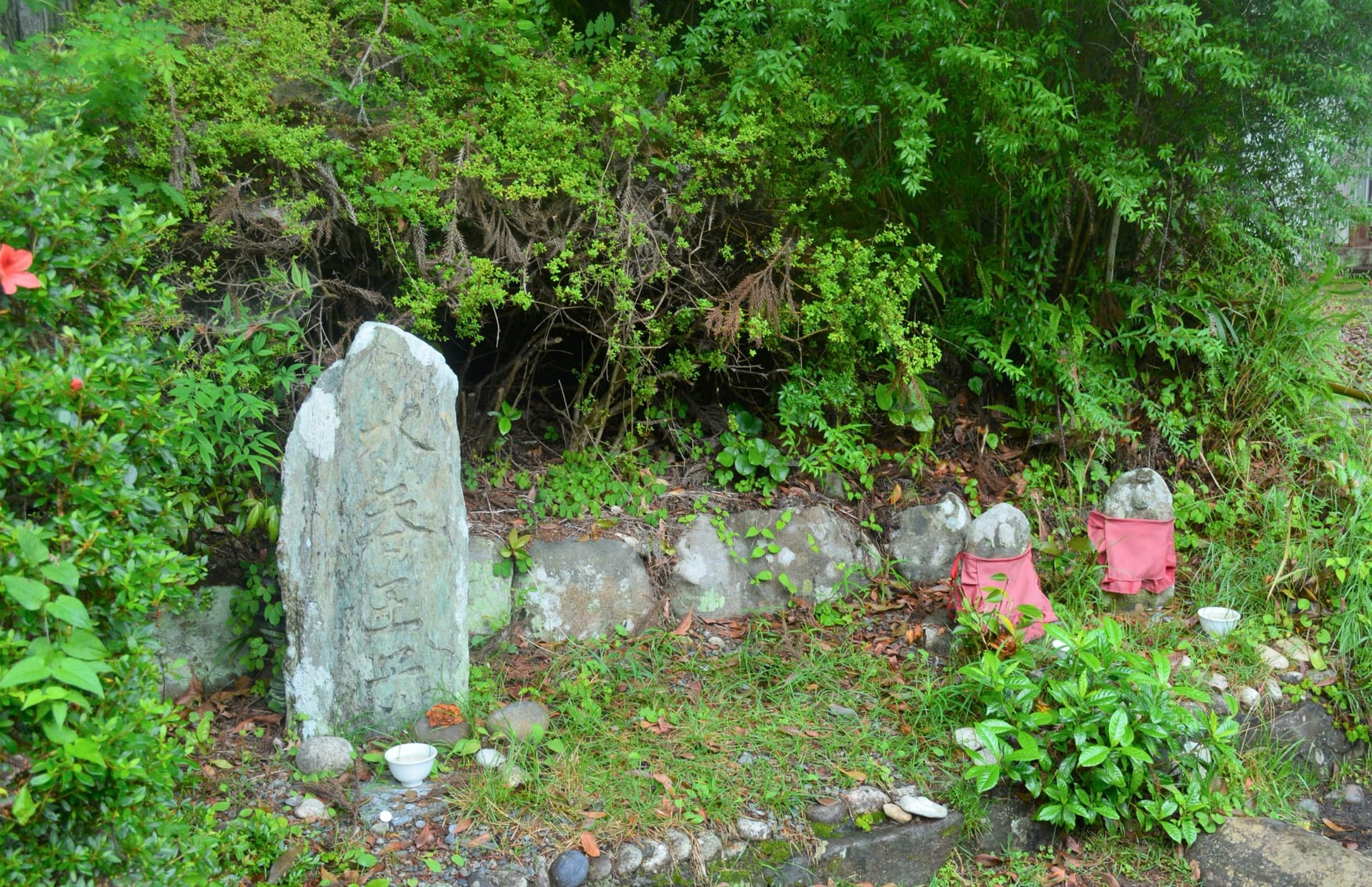
Small subsidiary shrines and shrine sites called "oji" are scattered along the Kumano Kodo. The explanatory boards standing beside them are, in effect, small free guides. Don't rush past — just reading each one, panel by panel, reveals that this is not merely a mountain path but a "road of prayer."
3. The path beneath your feet
Stone-paved sections and old, moss-covered stretches are the lines where people have walked for centuries. On the other hand, if the path suddenly narrows or the footprints seem to fade, it may be a sign you've strayed off course. Don't push forward — the basic rule is to return to the last place you confirmed a trail marker.
Making your own guide notes before you leave
In place of a guide, a note on your phone or a single sheet of paper is enough. Try jotting down these four things:
- Today's starting point and goal: how to pronounce them, and which direction you're walking
- Must-visit spots along the way: narrow it down to two or three oji or viewpoints
- One story that interests you: learning just one piece of pilgrimage history or legend in advance changes how the trail looks
- Rules for when you're unsure: for example, "turn back at any junction you're not confident about," or "wrap up before it gets dark"
Your notes can be just three lines. Knowing one thing deeply beats trying to know everything — this is what makes a guide-free trip truly satisfying.
Don't rely too much on your phone
Mobile signal can be unstable in the mountains. If you use a map app, save offline maps in advance and find ways to reduce how often you check your screen. Keeping a paper map or screenshots as backup gives real peace of mind.
Who walking without a guide suits
The beauty of going without a guide is that you can stop at your own pace. Admire the color of the moss when it catches your eye, rest when you want to rest. On the other hand, if you want to go deep into the geography or history, a guided tour may be the better choice. There's no single right answer — just pick what fits you today.
Final checklist before setting out
- You've confirmed the entrance, exit, and return transport for your section
- You've written your personal guide notes
- You've worked backward from sunset to decide your turnaround time
- Your maps are accessible offline
Walking the Kumano Kodo without a guide is a journey where a little preparation leads to many "discoveries that are yours alone." Read the trail markers, pause at the oji, and carry home one story that caught your heart. We hope you enjoy a slow journey like that.
Image: 熊野古道中辺路 水吞王子 (via (公社)和歌山県観光連盟)


