 LOCAL FIT KUMANOBack to list
The Bottom Line: Not Essential for Everyone, but Reliable on Certain Days
If you ask "Do I need trekking shoes on the Kumano Kodo?", here's how we'd answer from a local perspective: They aren't essential for everyone. But depending on the conditions of the day you walk, having them can significantly boost your peace of mind.
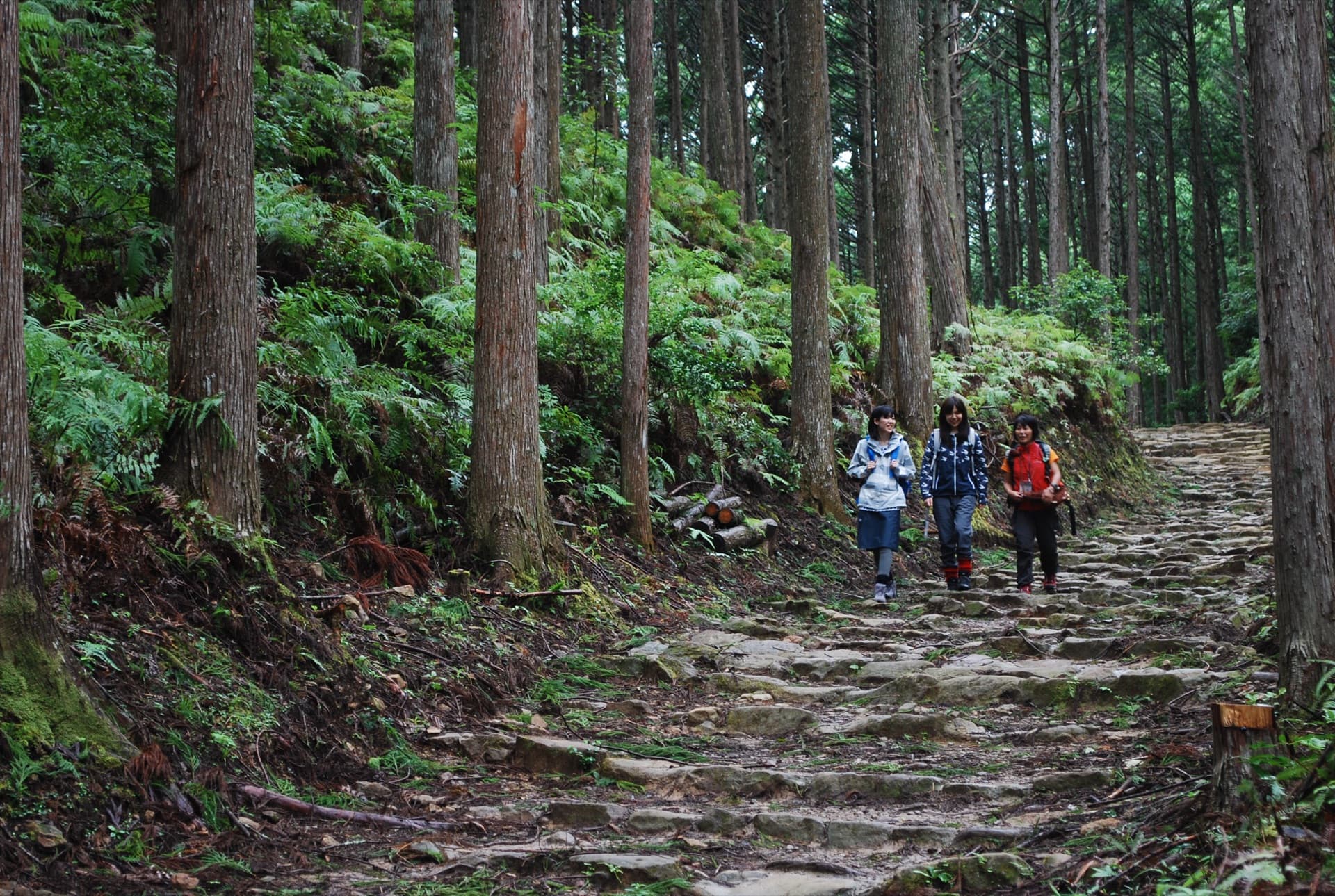
The Kumano Kodo includes sections that are close to paved roads, dirt mountain trails, moss-covered stone paths, and long descents. Even though it's all "old road walking," the conditions vary, so the answer about footwear changes too.
Decide With These 3 Questions
Question 1: How Much of the Day Will You Spend in the Mountains?
If you're just walking a short stone-paved section to visit a shrine or temple and back, a sturdy, well-broken-in pair of shoes is often enough. On the other hand, half-day or full-day routes that cross several oji (wayside shrines), or days that involve crossing a mountain pass, pile up fatigue on your feet. The longer you walk, the more trekking shoes earn their keep.
Question 2: Is the Trail "Dirt and Stone" or "Well-Paved"?
The old road has sections of exposed dirt, wet fallen leaves, sharp-edged stones, and stone steps with big drops. On that kind of terrain, a stiff sole with good grip and toe protection makes a real difference. If you're only on short, well-paved sections, you don't need that level of gear.
Question 3: What's the Weather Like—Both the Day Before and the Day Of?
Weather matters more than you might think. Even on a sunny day, it's not unusual for stone paths and moss to still be damp from the previous day's rain. On the day after rain or during the rainy season, lean toward wearing them—that's the shortcut to not regretting your footwear.
3 Things to Look at If You Do Buy Trekking Shoes
We'll leave the detailed buying guide for another article; here are just the points that factor into "do I need them?"
- Sole stiffness: Does the unevenness of stones get muted before it reaches your sole?
- Ankle hold: Do your feet slide forward on descents?
- Toe room: Do your toenails hit the front on descents?
When trying them on, always switch to thick hiking socks first.
If You Decide Not to Buy
If you don't own trekking shoes, you don't have to give up.
- Well-worn walking shoes with thick soles: A pair your feet already know beats a brand-new pair.
- Trail running shoes: Good for people who prioritize lightness. However, they can feel unstable when your pack is heavy.
- What to avoid: Thin-soled sneakers, sandals, shoes with heels, and brand-new shoes you haven't worn in.
Brand-new shoes are a frequent cause of blisters on the day. "Familiar shoes" beat "new shoes."
Small Tweaks That Boost Your Shoes' Performance
It's not only about the quality of the shoes themselves—how you set up your feet also affects how easy the walk feels.
- Re-tie your laces before you set off, and tighten them again before descents.
- Choose socks made of moisture-wicking material rather than cotton.
- Keep a spare pair of socks in your pack.
Summary
Trekking shoes on the Kumano Kodo lean toward "necessary" if any of these apply: long distance, dirt or stone trails, or walking after rain. On days when none of these apply, familiar shoes are plenty for enjoying the walk.
Try fitting your walking day to these three questions, and let that decide your footwear. On days when your feet feel at ease, the stillness of the cedar groves and the color of the moss on the stones all come into view much more clearly.
Image: 熊野古道 (via (公社)和歌山県観光連盟)