 LOCAL FIT KUMANOBack to list
Choosing Shoes for the Kumano Kodo Comes Down to the Terrain
Search for "best shoes for the Kumano Kodo" and you'll find plenty of brand names and price comparisons. But before worrying about labels, think about the terrain. Even on a single route, the Kumano Kodo changes character dramatically from section to section.
Thinking About Foot Strain by Terrain Type
Mossy Stone Steps
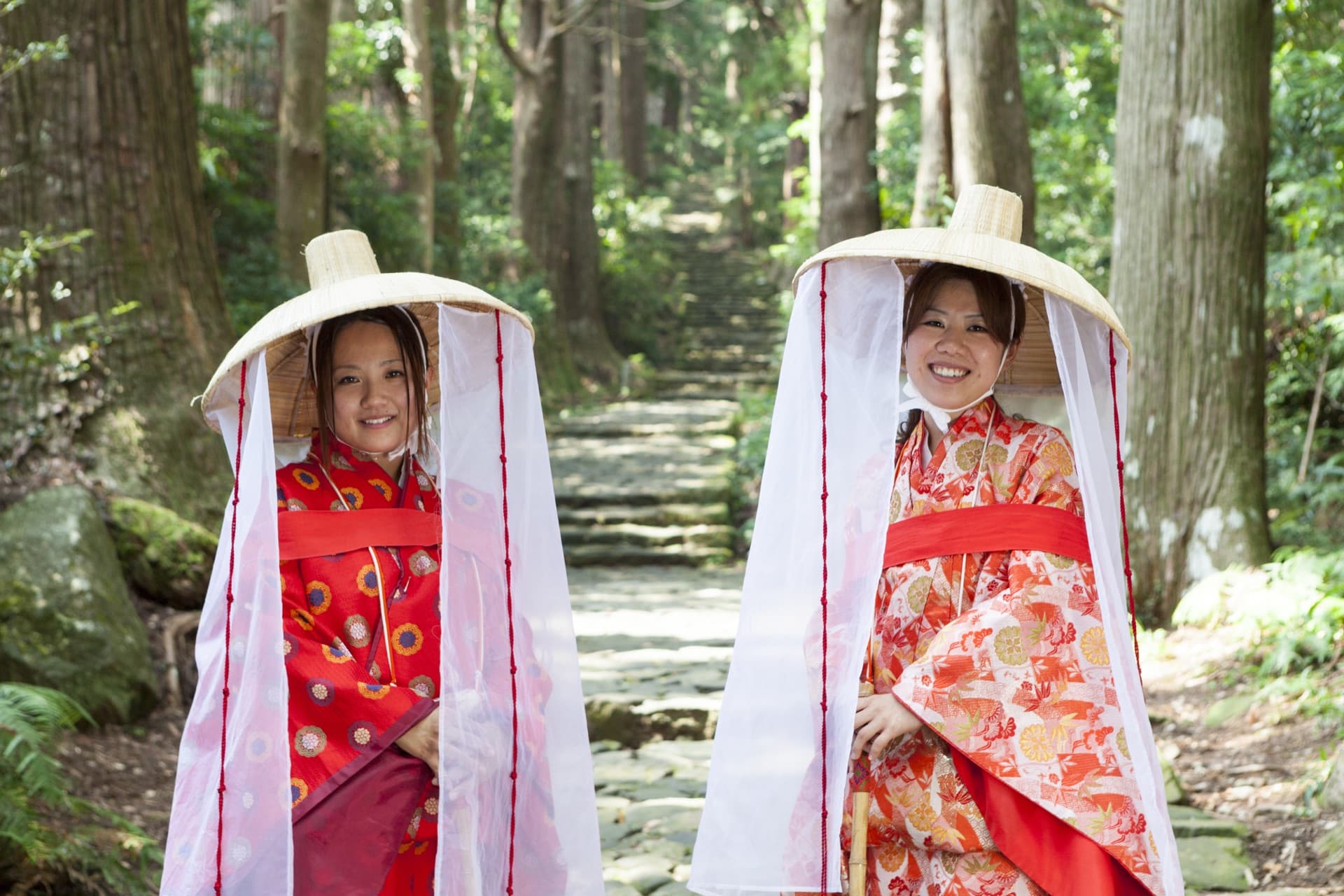
Stone-paved paths like Daimon-zaka are atmospheric, but they can be slippery in places even when dry — and in the humid Kumano region, moss and fallen leaves often pile on top. Here you'll want shoes with deep sole treads and grippy rubber.
Dirt Trails, Tree Roots, and Muddy Patches
In mountain sections, you'll encounter dirt paths, exposed tree roots, and small stream crossings. Your ankles can easily twist, so for longer days, mid-cut shoes that cover the ankle offer added security.
Long, Continuous Descents
Downhills are surprisingly tiring. If your toes keep hitting the front of the shoe, you can damage your toenails. Choose shoes with a bit of room at the toe and a firm heel hold.
Choosing by Shoe Type
- Trekking shoes (mid-cut): The go-to choice for long mountain sections or days with lots of walking.
- Low-cut light hiking shoes or trail-running shoes: Light and easy to walk in, ideal for day trips on mostly well-maintained paths.
- Thick-soled sneakers: An option for short half-day strolls. However, flat, thin-soled sneakers can feel unreliable on stone steps and descents.
Even if you're walking in casual sneakers, make sure to check two things: whether the sole has deep treads, and whether the laces can be tightened securely.
Checklist Before You Buy or Wear Your Shoes
1. Try shoes on in the evening: Your feet swell during the day, so fit them when they're at their largest.
2. Wear thick socks when trying them on: Always test with the same socks you'll wear on the day.
3. Leave about 1 cm of space at the toe: Make sure your toes don't hit the front when sliding forward on descents.
4. Check that your heel doesn't lift: Retie the laces and walk up and down stairs to confirm.
5. Inspect the soles for wear: If you're pulling out shoes you haven't worn in a while, check for hardened or peeling rubber.
Socks and Breaking In Matter More Than the Shoes Themselves
For socks, skip cotton and go with synthetic or wool blends that wick sweat. To prevent blisters, layering a thin sock under a thicker one also works well.
And whatever you do, avoid wearing brand-new shoes straight onto the Kodo. Start walking local hills or stairs two to three weeks before your trip to break them in — the difference in comfort on the day is huge.
Summary
When choosing shoes for the Kumano Kodo, keep three things in mind: grip on stone steps, ankle stability on dirt trails, and toe room for descents. Rather than splurging on the most expensive pair, find a pair that fits your feet and break them in before you go. That's the surest path to walking the pilgrimage trail in comfort.
Image: 熊野古道中辺路 大門坂 (via (公社)和歌山県観光連盟)


