 LOCAL FIT KUMANOBack to list
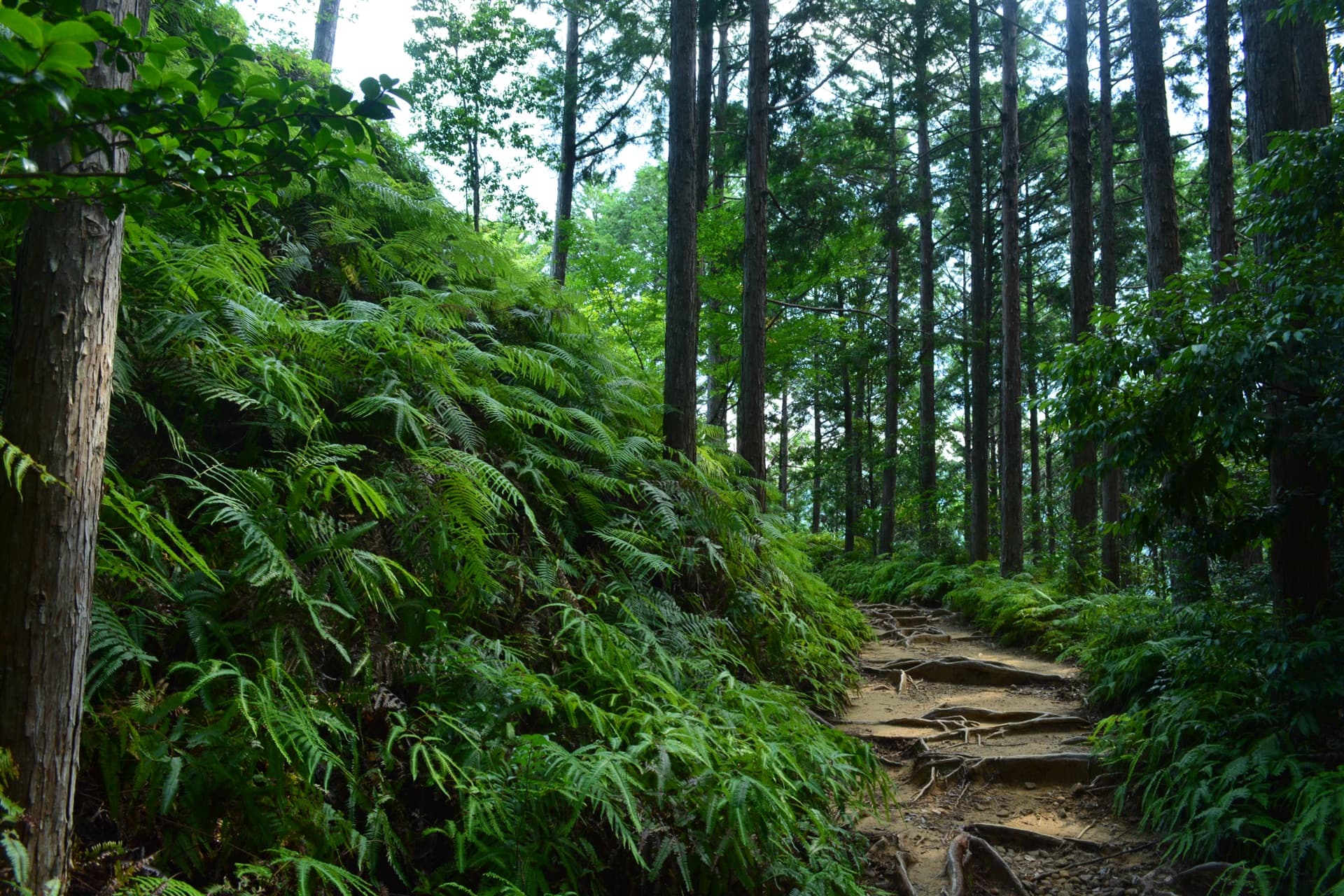
What is the Sangen-jaya Site on the Kumano Kodo?
As you walk the Kumano Kodo, alongside oji shrine ruins and ichirizuka (old distance markers), you'll encounter places named "chaya-ato" (teahouse ruins). Sangen-jaya-ato is one of them—as the name suggests (literally "three teahouses"), it's a spot where teahouses are said to have once stood side by side.
Today, no buildings remain. It's a place where you imagine the past through information boards, a quiet clearing, and the atmosphere of the trail itself. It isn't a dramatic scenic viewpoint. But that's precisely why it's a meaningful place to pause during your Kodo walk.
*For accurate location details and current conditions, please check official sources such as the Kumano Hongu Tourist Association and the latest maps before setting out. Rather than detailed access information, this article focuses on how to enjoy these "ruins."*
Teahouses Were "Rest Stops Along the Way"
A Moment's Rest for Pilgrims
The Kumano pilgrimage was a long journey crossing many steep mountain passes. Teahouses along the way are thought to have been vital places where travelers quenched their thirst and hunger with tea and food, changed their straw sandals, and prepared for the next climb.
The number "three" (sangen) likely served as a landmark too. Imagine how relieved travelers must have felt when they spotted a few rooftops in the distance along the trail. With that in mind, this empty site starts to look a little different.
Connecting with Our Own Rest Breaks Today
Even for modern Kodo walkers, rest breaks remain essential to any journey. When you arrive at a teahouse site, you drink some water, retie your shoelaces, wipe away the sweat. These gestures aren't so different from those of travelers long ago.
Three Ways to Spend Time at the Site
1. Read the Information Board, Then Look Around
First, read the information board to learn the history, then turn your gaze to the width of the trail and the lay of the land. Notice the flat ground, the sunlight, the gaps between trees—and you may start to see "why a teahouse was built here."
2. Pause for Just Five Minutes
Instead of snapping a photo and immediately moving on, try spending just five minutes doing nothing. Amid birdsong and the sound of the wind, you can experience the same "breather" that travelers of old once took.
3. Review the Rest of Your Route
A teahouse site is also a good spot to check your energy and time. Confirm how much daylight remains, the distance left to go, and the bus schedule. If the route feels too demanding, this is a good place to decide to shorten it.
Things to Keep in Mind Before Setting Out
- It may be hard to spot: Since it isn't a large facility, it's reassuring to use both a map app and the trail signs.
- Stay on the path and off private property: When visiting, be mindful of the boundaries between the trail and surrounding land.
- Prepare for footing and hydration: Stone-paved and dirt paths become slippery after rain. Bringing extra water is a good idea.
- Start early in the shorter-day seasons: Mountain areas grow dark quickly, so it's best to begin walking in the morning.
As Part of Your Journey Toward Hongu
Sangen-jaya-ato is a stop that lets you feel the story of the road leading to Kumano Hongu Taisha. Even when you're hurrying toward your destination, taking a breath at this site deepens the time before your shrine visit, making it feel like "part of the journey."
Standing in an empty place, imagining the rest taken by travelers long ago. The appeal of the Kumano Kodo lies in such quiet luxuries, too.
Image: 熊野古道中辺路 三軒茶屋付近 (via (公社)和歌山県観光連盟)


