 LOCAL FIT KUMANOBack to list
Sandals on the Kumano Kodo Are Not 'Walking Tools' but 'Resting Tools'
Many people who search for 'Kumano Kodo sandals' are probably hoping to walk cool in the hot season, or trying to lighten their luggage.
To get straight to the point: from a local's perspective, sandals are hard to recommend as footwear for walking the old trails themselves. That said, sandals aren't entirely unnecessary. As a 'second pair of feet' to rest your feet after walking, they can be a surprisingly reliable companion.
Why Sandals Are Difficult on the Old Trails
Stone Pavement, Moss, and Wet Slopes
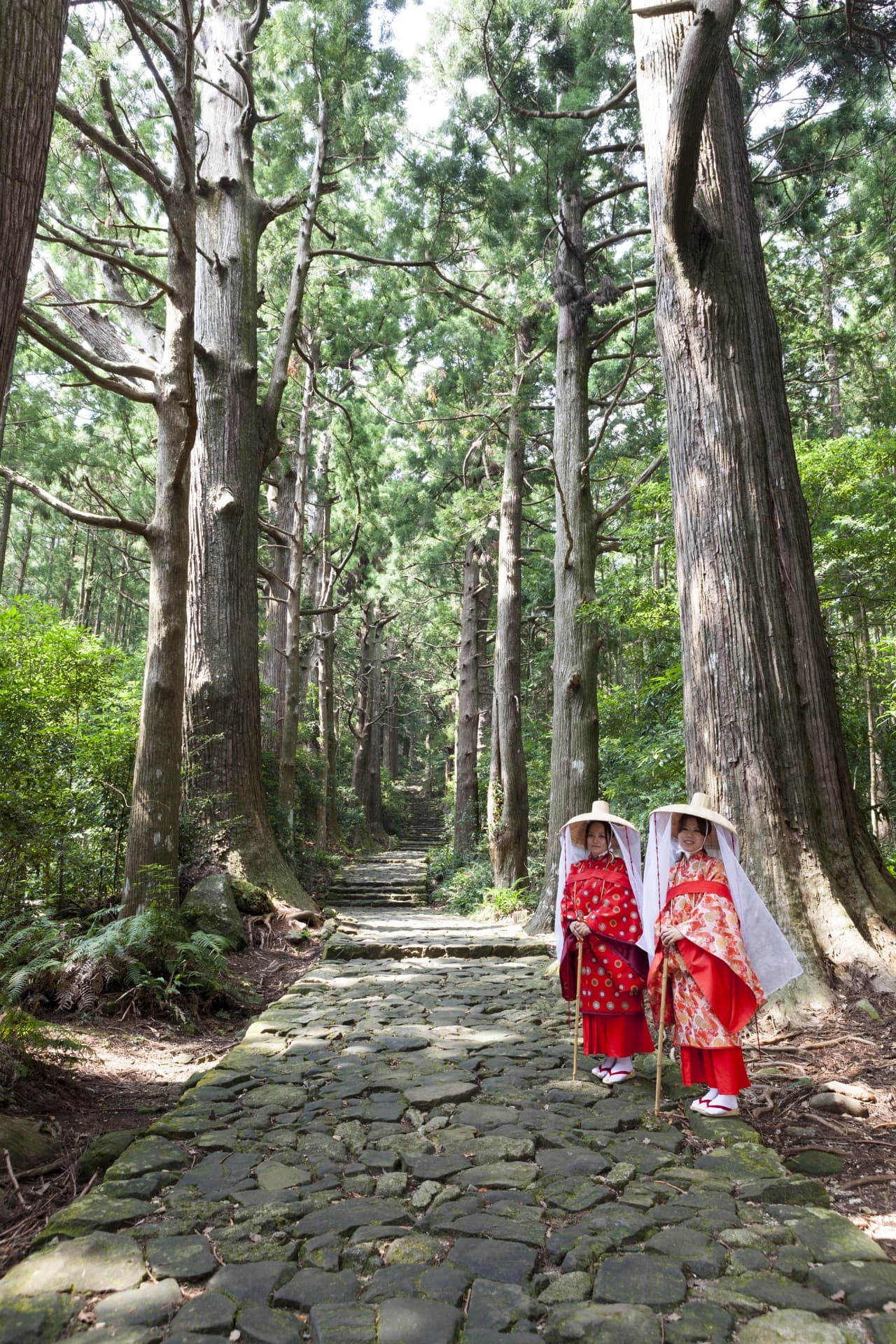
The Kumano Kodo has long stretches of moss-covered stone paving and steep downhill sections with large steps. Even on sunny days, the cedar groves tend to retain moisture. With sandals that don't secure the top of your foot or your heel, you can easily slip or twist your ankle the moment your foot touches down.
Vulnerability to Pebbles, Roots, and Insects
On mountain trails, pebbles, branches, and tree roots can unexpectedly hit your toes. With exposed toes and insteps, even a small bump can lead to pain or injury. From the rainy season into summer, insects also become a concern, so shoes that cover your feet give more peace of mind.
'Just a Little' Often Turns Into a Long Walk
On the old trails, it's common to intend to walk only near the entrance, then be lured deeper by the scenery and atmosphere. Rather than entering in sandals and finding it hard to turn back, you'll feel more at ease starting out in proper shoes from the beginning.
Why Sandals Are Still Worth Bringing
A Pair to 'Unwind' Your Feet After Walking
After a long walk, your feet swell and heat up inside your shoes. Just switching to sandals at a rest area, while waiting for a bus, or the moment you arrive at your inn makes a real difference in how your fatigue fades.
Handy for Getting Around Hot Spring Towns and Inns
Kumano is dotted with hot spring areas, and there are many moments when you'll want to stroll around town after a bath. You don't want to put your hiking boots back on over damp feet. In such moments, having a pair of light sandals lets you move around comfortably.
Three Criteria for Choosing Sandals to Bring
1. Straps That Secure Your Heel
Sandals with a heel strap are easier and safer to walk in than beach-sandal-style thongs held between your toes. They're also reassuring when walking from your inn to the station or bus stop.
2. Materials That Don't Mind Getting Wet, and Soles with Treads
On rainy days or wet pavement in hot spring towns, the tread on the sole is reliable. Water-resistant, quick-drying materials are also easy to handle in your luggage.
3. Light Enough to Attach to the Outside of Your Backpack
If you're bringing them as a change of footwear, it's important not to weigh down your luggage. Aim for sandals light enough to clip onto the side or bottom of your backpack, so they won't become a burden.
When to Switch Into Sandals
- During breaks: When you take off your shoes and socks to let your feet dry. Just watch out for insects underfoot in buggy spots.
- While waiting at bus stops or stations: A chance to free the feet you've been walking on.
- When you arrive at your inn or hot spring: A signal that your 'walking time' for the day is done.
Also, if you're thinking of dipping your feet in a river, water levels, currents, and footing can vary from day to day. Don't push it—look at the surroundings and judge carefully.
In Summary: Sandals Are a Gift to Your Post-Walk Self
On the Kumano Kodo, rely on proper shoes for walking the trails, and carry sandals as a pair for resting your feet—that's the most pleasant way to use them.
By using your gear to shift between walking time and resting time, your feet stay light into the latter half of your trip, letting you savor Kumano's scenery and hot springs at your own pace. Next time you head to the old trails, why not tuck a pair of light sandals into the corner of your backpack?
Image: 熊野古道中辺路 大門坂 (via (公社)和歌山県観光連盟)


