 LOCAL FIT KUMANOBack to list
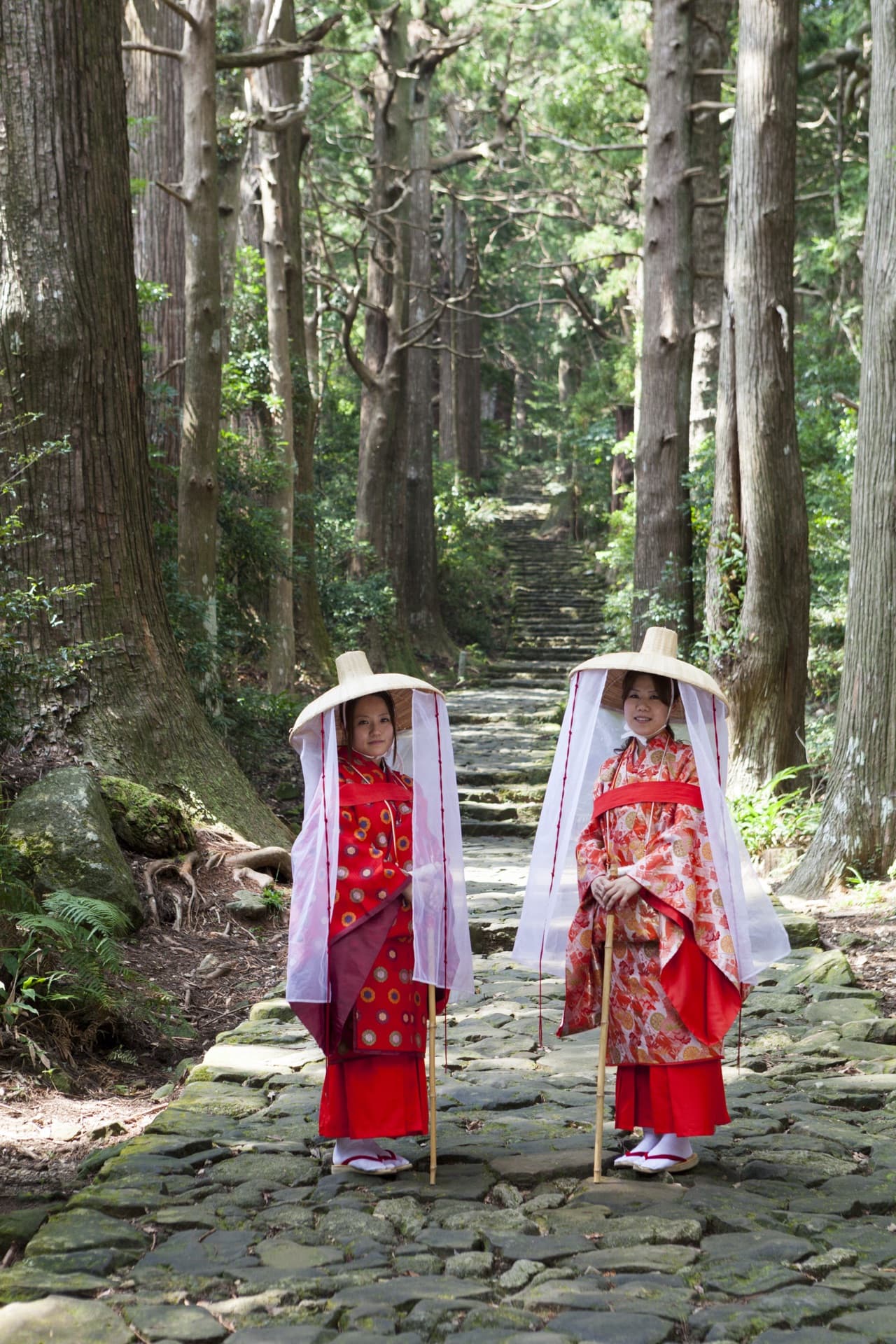
The Kumano Kodo is a trail that winds through the deep mountains of the Kii Peninsula. Moss-covered stone paths and groves of towering cedars take on even deeper beauty on damp, rainy days. But on wet mountain trails, 'not getting sweaty' and 'not slipping' are just as important as 'staying dry.' Rainwear is the gear that supports all three.
The Basic Recommendation: Two-Piece Separates
For walking the Kumano Kodo, a separate jacket and pants set is the most reliable choice. There are three reasons:
- You get hot on the climbs, so it's easy to adjust by taking off just the top
- The hem is less likely to flap in the wind and won't interfere with lifting your legs
- On stone steps and uneven ground, the fabric is less likely to tangle around your feet
What About Ponchos and Umbrellas?
Ponchos are easy to put on and take off, and their ability to cover your backpack as well is a real plus. On the downside, they catch the wind easily, and on trails with lots of steps, the hem can get in the way. Think of them as useful for short sections or as a backup on days with only light rain.
Umbrellas work well on gentle sections through the forest. However, on stone paths it's safer to have both hands free. Especially if you use a walking stick or trekking poles, we recommend relying on rainwear rather than an umbrella.
Four Points to Consider When Choosing
1. Is It Breathable?
'Breathability' — the ability to let inner sweat escape, not just repel rain — makes a huge difference in walking comfort. During the rainy season or autumn rains, temperatures run warm and you tend to get drenched in sweat.
2. Does the Hood Block Your Vision?
A hood with a brim, or one that moves with your head, makes it easier to watch your footing on descents. When trying one on, put on your backpack first and then pull up the hood.
3. Can You Adjust the Hem and Cuffs?
If your pant legs are too long, you may step on them on stone steps. Look for pants with adjustable hem length and a cinch around the ankle. Cuffs that adjust to your wrist movement are also handy.
4. Is It a Visible Color?
In mist or dim cedar forests, bright colors that stand out to others around you add a measure of safety. They also look great in photos.
Put It On 'Before the Rain Starts'
Rather than scrambling to put on rainwear after you're already wet, slip it on when the first drops fall — it will help you keep your body heat. That said, hiking in rainwear can get sweaty, so open the zipper at each break to let the heat out.
Small Items Worth Bringing Along
- A pack cover (and bagging the contents inside adds extra peace of mind)
- Spare socks and a plastic bag for wet items
- A waterproof case to protect your smartphone and map
'Choosing Not to Walk' Is Also Part of Your Gear
No matter how good your rainwear is, stone paths and mossy trails become slippery. Move one careful step at a time. If you have any concerns about the weather or your condition, keep in mind that turning back or taking a bus are also valid options.
The Kumano Kodo in the rain is a time when the greens deepen and even the sounds settle into a soft hush. Prepare the right piece of rainwear for you, and let the quiet of the wet forest become part of your travel memories.
Image: 熊野古道中辺路 大門坂 (via (公社)和歌山県観光連盟)