 LOCAL FIT KUMANOBack to list
The Nakahechi route runs from Tanabe to Kumano Hongu Taisha and is the most-walked path of the Kumano Kodo. Because of its distance, where you choose to stay largely shapes the entire trip. When looking for lodging recommendations along the Kumano Kodo Nakahechi, the quickest approach is to decide 'where to break for your first night' before worrying about which inn has the best reviews.
Decide the 'Break Point' Before the Inn
The Nakahechi is not a route you walk through to Hongu in a single day. Most people split it into sections, stopping overnight along the way. Decide first how far you plan to walk, then look for lodging near that endpoint—this leads to a realistic, manageable plan.
Because some sections have very few inns, many walkers instead secure lodging first and work backward to decide their walking distance. Either order works, but always use 'can I arrive before sunset?' as your guiding criterion.
The Four Key Lodging Bases on the Nakahechi
Kii-Tanabe: Arrive the Night Before and Start Fresh
Tanabe is the gateway to the old road, with inns and restaurants gathered around the station. Arriving the night before and taking a morning bus to the trailhead means you won't carry the fatigue of your travel day into the walk itself. Having plenty of dining options is another plus. Bus schedules do change by season, however, so always check your intended service in advance.
Around Takijiri-oji: A Night at the Entrance to the Sacred Lands
Staying near Takijiri-oji, the starting point of the pilgrimage trail, lets you head straight into the first climb the next morning. Options are limited, so it's wise to inquire early. This base suits those who want to experience a quiet night tucked into the mountains.
Chikatsuyu and Nonaka: A Night in a Mountain Village Mid-Route
If you want to experience the true character of the Nakahechi, consider Chikatsuyu, a village along the river, or the area around Nonaka, famous for its 'Ippo-sugi' cedar. Lodging is limited, but many are small, family-run minshuku, and conversations with locals often become lasting memories of the trip. Staying here also leaves a comfortable walking distance toward Hongu the next day.
The Hongu Area and Hot Spring Villages: Soak After the Walk
Near the final destination, Kumano Hongu Taisha, you'll find the Yunomine, Kawayu, and Watarase hot springs. Being able to soothe tired legs in the baths makes this the most popular area for the final night. For a more detailed look at choosing lodging, see our separate guide on selecting inns in Yunomine and Kawayu.
Pros and Cons by Lodging Type
- Ryokan and Hotels: Meals and bathing are well arranged, offering peace of mind even after a tiring day.
- Minshuku and Small Inns: You'll feel the local atmosphere, and dinner often becomes a highlight. On the other hand, check-in and dinner times are usually fixed.
- Guesthouses: Easy to exchange information with fellow walkers, and generally more budget-friendly.
- Hot Spring Inns: Best suited to the night after you finish walking. Saving one for the final day—rather than the first—makes the bath feel all the more rewarding.
Things to Ask Before Booking
On a walking trip, you often have to adjust your plans around the inn's schedule. Confirming these points when booking will reduce stress on the day:
- Dinner start time, and how to contact the inn if you may arrive late
- Distance from the trailhead or nearest bus stop, and whether pickup is available
- Whether luggage can be forwarded to your next inn
- Whether a boxed lunch can be prepared in the morning
Long weekends and the autumn foliage season fill up quickly, so once your dates are set, it's best to act early.
Summary
Rather than choosing lodging by popularity, aligning your stays with the natural 'break points' of your walking sections is the surest way to avoid problems on the Nakahechi. A classic approach is to split roles: Tanabe for the night before, a mountain-village inn in the middle, and a hot spring for the last night. Since specific conditions at each inn change by season, always check the latest information with the inn or local tourism association before finalizing your plans.
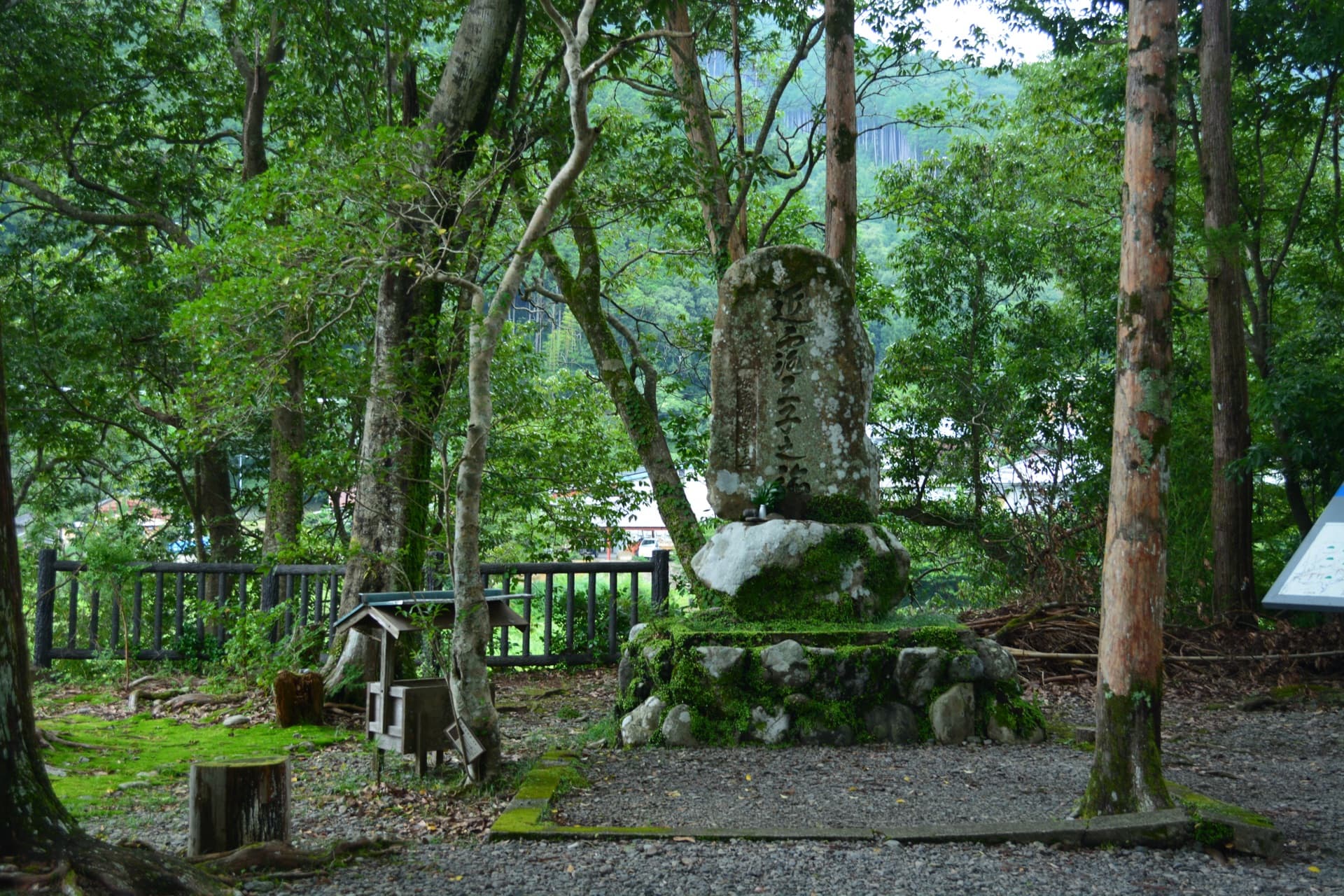
Image: 熊野古道中辺路 近露王子 (via (公社)和歌山県観光連盟)


