 LOCAL FIT KUMANOBack to list
Planning the Nakahechi Route Around the 'Oji' Shrines
The Kumano Kodo Nakahechi is a pilgrimage route leading from the Tanabe area to Kumano Hongu Taisha. It's a long journey, but along the way you'll find small shrines and shrine ruins known as 'oji' dotted at regular intervals.
The idea behind this guide is to treat these oji not as map markers, but as landmarks for walkers. Once you decide which oji you'll walk between, the answers to 'Where should I start?' and 'Day trip or two days?' tend to fall into place naturally.
Where to Start? Choosing a Starting Oji
For the Classic Entrance Experience: Takijiri-oji
Known as the gateway to the Nakahechi, this is a place where it feels natural to mentally 'enter' the Kumano region. It's well suited as a starting point for those planning a full, proper walk.
For Mountain Village Scenery: Around Chikatsuyu-oji
This area has a riverside village with convenient options for rest stops and meals along the way. It's close to the area known for Gyuba Doji, and suits travelers who want to 'keep the walking distance modest and enjoy the atmosphere.'
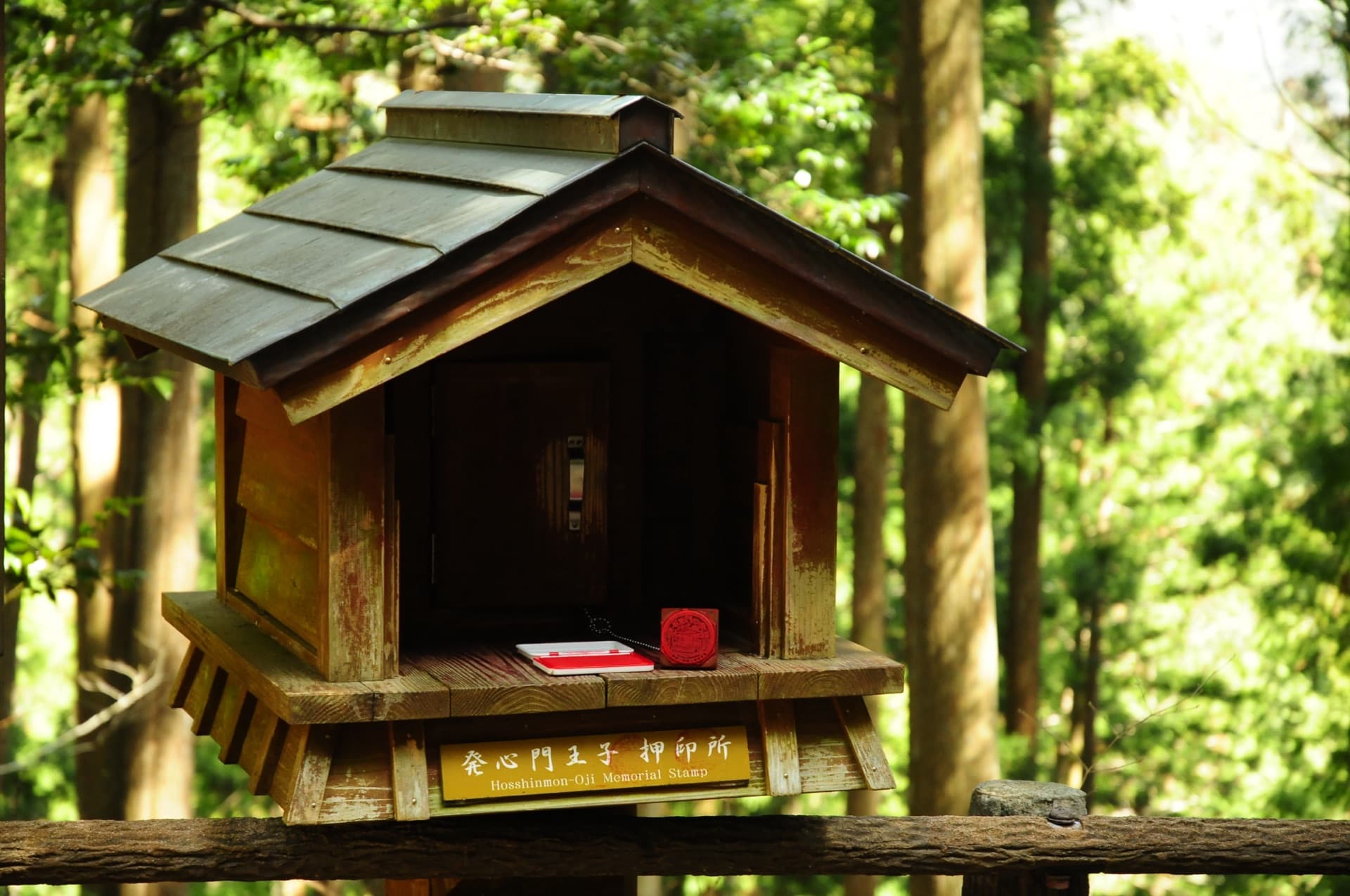
For the Sense of Arrival at Hongu: Hosshinmon-oji
This is a popular starting point for walking the final stretch toward Kumano Hongu Taisha. Even for those who aren't confident in their stamina, it's an accessible choice that lets you experience the flow of 'finally arriving at Hongu.'
Thinking About a Day-Trip Model Course
For a day trip, linking 'two or three oji' is about the right amount. Rather than cramming in too much, you'll avoid trouble by working backwards from the return bus or train schedule to decide your starting point.
- Not confident in your fitness: a short section from one of the later oji toward Hongu
- Experienced walker: from a mountain-village oji to the next oji, crossing one pass along the way
- Scenery-focused: assume long breaks at scenic viewpoints along the way, and keep the distance short
Thinking About a 2-Day Model Course
For a two-day itinerary, splitting it into 'entrance to mountain village' on day one and 'the final stretch toward Hongu' on day two creates a nice flow.
On day one, decide what time you need to arrive at your lodging, and be prepared to wrap up at an earlier oji if needed. For day two, you can also choose to start from a later point so the walk is easier even if some fatigue remains. Finish with a visit to Kumano Hongu Taisha and a soak in a hot spring, and your journey comes full circle.
Basics of Walking: 'Check In' at Each Oji
Every time you reach an oji, take a moment to check these three things:
1. Time: Are you running behind schedule?
2. Feet: Any blisters or knee discomfort?
3. Water and snacks: Do you have enough to reach the next oji?
Stacking up these small checks helps you avoid pushing yourself too hard. If you're running late, it's also easier to make the call to end your walk at the next oji.
Finally
You don't need to approach the Nakahechi thinking 'I have to walk the whole thing.' Pick one oji that interests you, use it as your anchor, and decide between a day trip or two-day stay — you'll end up with a course that fits your own pace. Before setting out, check the latest information on weather, transportation, and trail conditions, and enjoy the Kumano route with a plan that leaves plenty of breathing room.
Image: 熊野古道中辺路 発心門王子 (via (公社)和歌山県観光連盟)


