 LOCAL FIT KUMANOBack to list
Knowing Your "Opponent's Name" Makes Bug Protection on the Kumano Kodo Much Easier
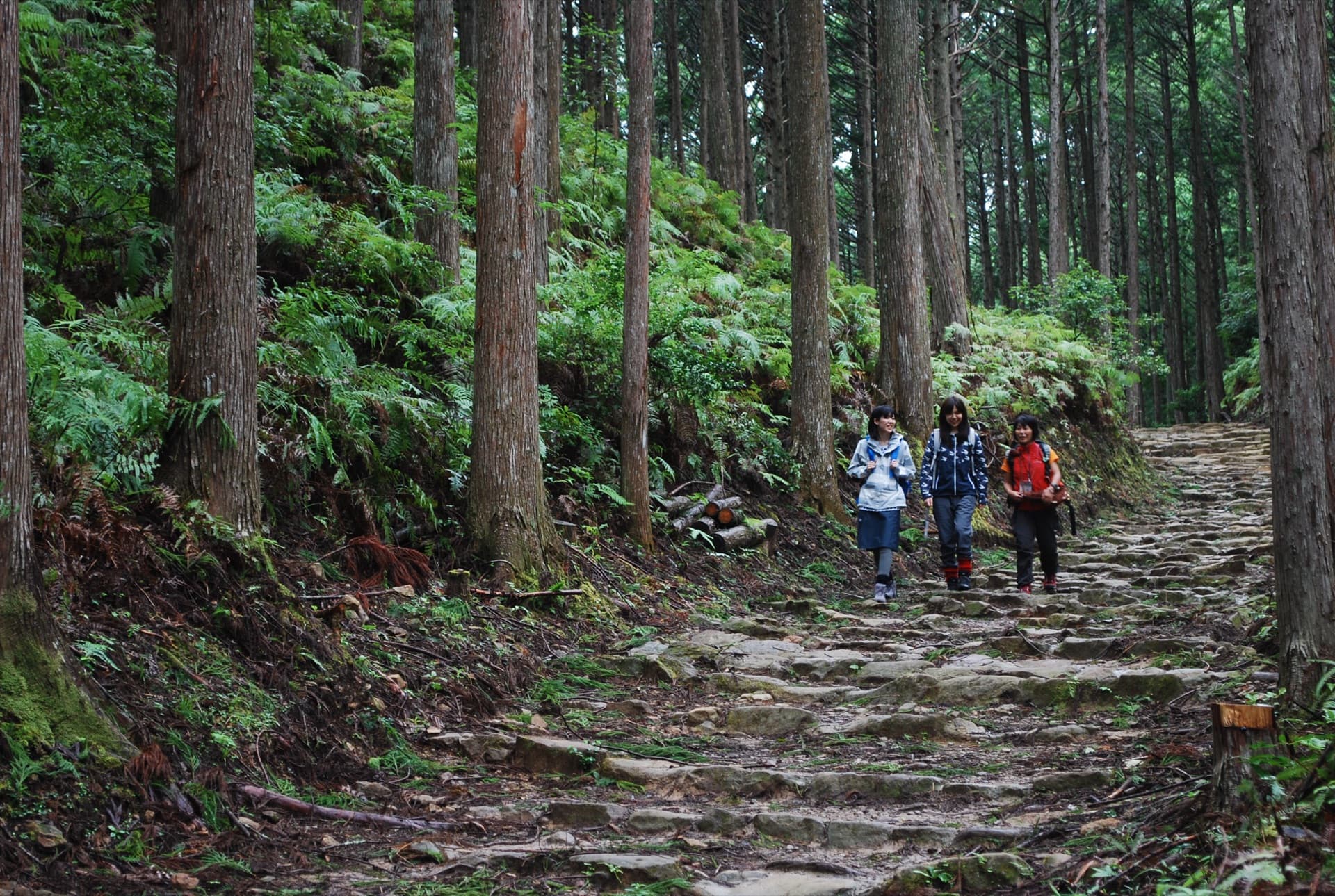
Mossy stone pavements and the damp air beneath cedar groves — the very things that make the Kumano Kodo so magical are also what make it such a comfortable home for insects. It's tempting to think "one can of bug spray will do it," but the creatures you meet on the mountain trails aren't all the same.
Each one has its own habits — where on your body it targets, and when it approaches. Knowing their names and behaviors lightens both your pack and your mind.
Five Opponents and the Basics of Preparing for Each
Mosquitoes: They come the moment you stop moving
Surprisingly, they don't bother you much while you're walking, but they swarm when you take a break or stop to photograph an oji shrine. Ankles, the area around your neck, and the backs of your hands are their favorite targets.
Black flies (buyu): The bites swell up afterward
Common near water and streams, they go after your feet and any exposed skin. You often don't notice the bite at the time, with itching and swelling appearing later. In places where you can hear a river or running water, check your skin coverage before taking a break.
Horseflies: Attracted to sweat and movement
During the hot hours of summer, they fly around your head and neck. Simply wearing a hat and covering your neckline with a towel or collar makes a big difference.
Mountain leeches: Check your feet in damp seasons
During the rainy season or after rainfall, when the ground is damp, you need to pay attention to your feet. Since leech populations vary by location and year, it's wise to check the latest information for your route at a tourist information center before heading out.
- Wear socks long enough to cover your ankles
- Tuck your pant legs into your socks
- Visually check your shoes, ankles, and calves at every break
Wasps: "Don't provoke them" is the best defense
Go easy on strongly scented hair products and perfumes. If one comes near, don't swat at it — just quietly walk away. Light-colored clothing is less likely to agitate them than dark colors.
Three Rules for Using Insect Repellent
1. Check the ingredients: Products containing DEET, icaridin, and similar ingredients come with age guidelines and limits on how many times a day they can be applied. Follow the label.
2. Apply from your hand: It's safer not to spray toward surrounding plants, stone pavement, or your companions. For your face, put some in your palm first and then apply.
3. Assume you'll need to reapply: Repellent comes off with sweat, so reapplying during breaks is effective. The standard order is sunscreen first, repellent on top.
Don't use mosquito coils or any other open flames on the trails, and always take cigarette butts and used repellent wipes home with you. It's a small act of care for walking a World Heritage path.
Pack "Small Preparations" for After a Bite, Too
- If you're bitten, don't scratch — rinse with running or drinking water
- Keep anti-itch cream and bandages in a small pouch
- If swelling or pain is severe, or if you feel short of breath or otherwise unwell, don't push on — turn back and see a doctor
If you've been stung by a wasp before, it's a good idea to consult your doctor in advance for peace of mind.
Repellent Is a Tool for Creating a "Not-Bothered" State
When bugs are on your mind, you stop noticing the moss and the dappled sunlight. Add a layer of repellent to the physical defense of long sleeves and long pants. Check your feet whenever you stop. With these three habits in place, you can give the rest of your attention to the atmosphere of the ancient road.
Make these small preparations, and set off in good spirits.
Image: 熊野古道 (via (公社)和歌山県観光連盟)


