 LOCAL FIT KUMANOBack to list
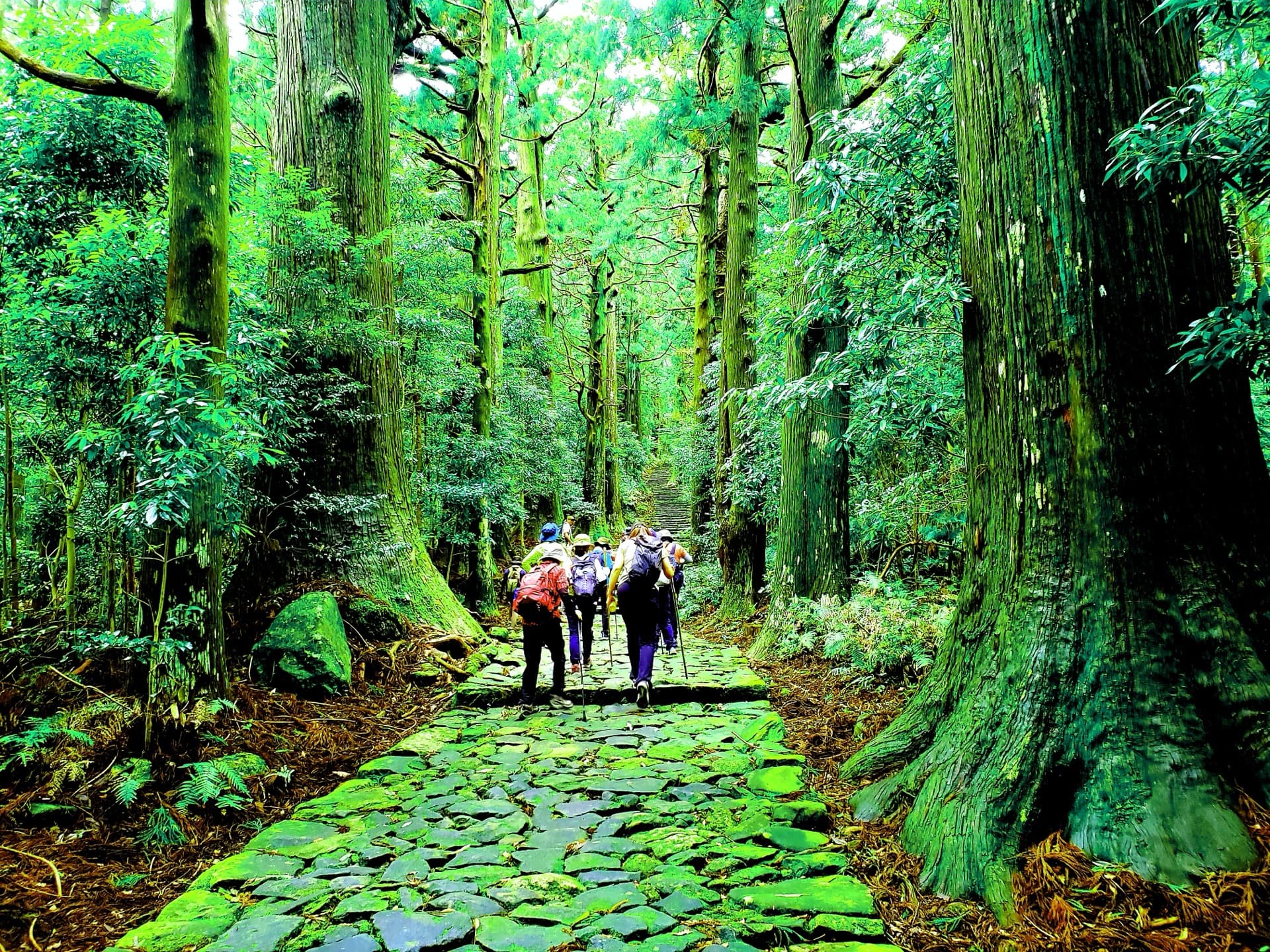
Magose Pass: A Trail Where You 'Read the Ground'
The Iseji route of the Kumano Kodo includes paths with ocean views and paths that still carry the atmosphere of old highways. Among them, Magose Pass is known as a trail with a strong impression of stone paving and deep woods. As you leave the town of Owase and head into the mountains, the air turns suddenly moist, and stones worn by long years begin to appear beneath your feet.
Rather than a place to seek out sweeping vistas, this is a trail to savor for the way its expression changes with every step. For that reason, this article begins not with the scenery but with the question of 'where to place your feet.'
Three Tips for Walking the Stone Path Comfortably
1. Look 'Between the Edges,' Not at the 'Center' of Each Stone
Stone paths are often worn smooth and rounded in the middle, and there can be steps between one stone and the next. Keep your gaze about 2–3 meters ahead and pick out the stretches where flat surfaces continue — your feet will move naturally. Staring only at your feet is tiring, so looking slightly ahead is the key.
2. Be Kind — Don't Step on the Moss
The area around Owase is known for heavy rainfall, and the stone paving is often damp. The green moss is beautiful, but it becomes slippery when wet. Avoid patches of deep green moss and choose dry stone surfaces or sections of bare earth. For the sake of preserving the moss along the trail, being careful not to trample it matters too.
3. On Descents, Take Small Steps and Keep Your Hands Out of Your Pockets
Going downhill on stone paving puts more strain on your ankles and the soles of your feet than on your knees. Shorten your stride, and rather than landing heel-first, aim to place your whole foot flat on the ground. If your hands stay in your pockets, you won't be able to catch yourself when you trip. If you use trekking poles, be careful not to wedge the tips into gaps between stones.
Pause for a Moment Among the Trees
One of the most memorable features of Magose Pass is the long stretches through cedar and cypress forest. Rather than walking straight through, we recommend stopping now and then to listen. The wind passing through the treetops, a distant bird call, your own breath. The stone path lets you imagine that travelers of old walked through the same quiet.
Choose rest spots where the footing is stable and you won't block the path, and take water and light snacks frequently — your pace in the second half will be noticeably better.
A Few Small Preparations Before You Go
- Footwear: Shoes with good tread and solid ankle support give you peace of mind.
- Rain gear: Even in fine weather, the mountains tend to be damp. A packable rain jacket is reassuring.
- Time to spare: Allow extra time for photos and pauses. Set out early so you can finish the descent before the sun gets low.
- Check conditions: Trail conditions and public transport schedules can change. Confirm the latest information with the local tourism association before you leave.
The Lingering Feel After the Walk
Once you cross the pass and descend to the villages, the sensation of the stones lingers on the soles of your feet for a while. It's slightly different from the memory of the scenery — it's the tangible sense of having 'walked the road.' Looking back on the day over fresh seafood in the towns around Owase is another pleasure unique to the Iseji route. More than flashy, Magose Pass is a Kumano Kodo trail that stays with you through its quietness and its texture.
Image: 熊野古道中辺路 大門坂 (via (公社)和歌山県観光連盟)


