 LOCAL FIT KUMANOBack to list
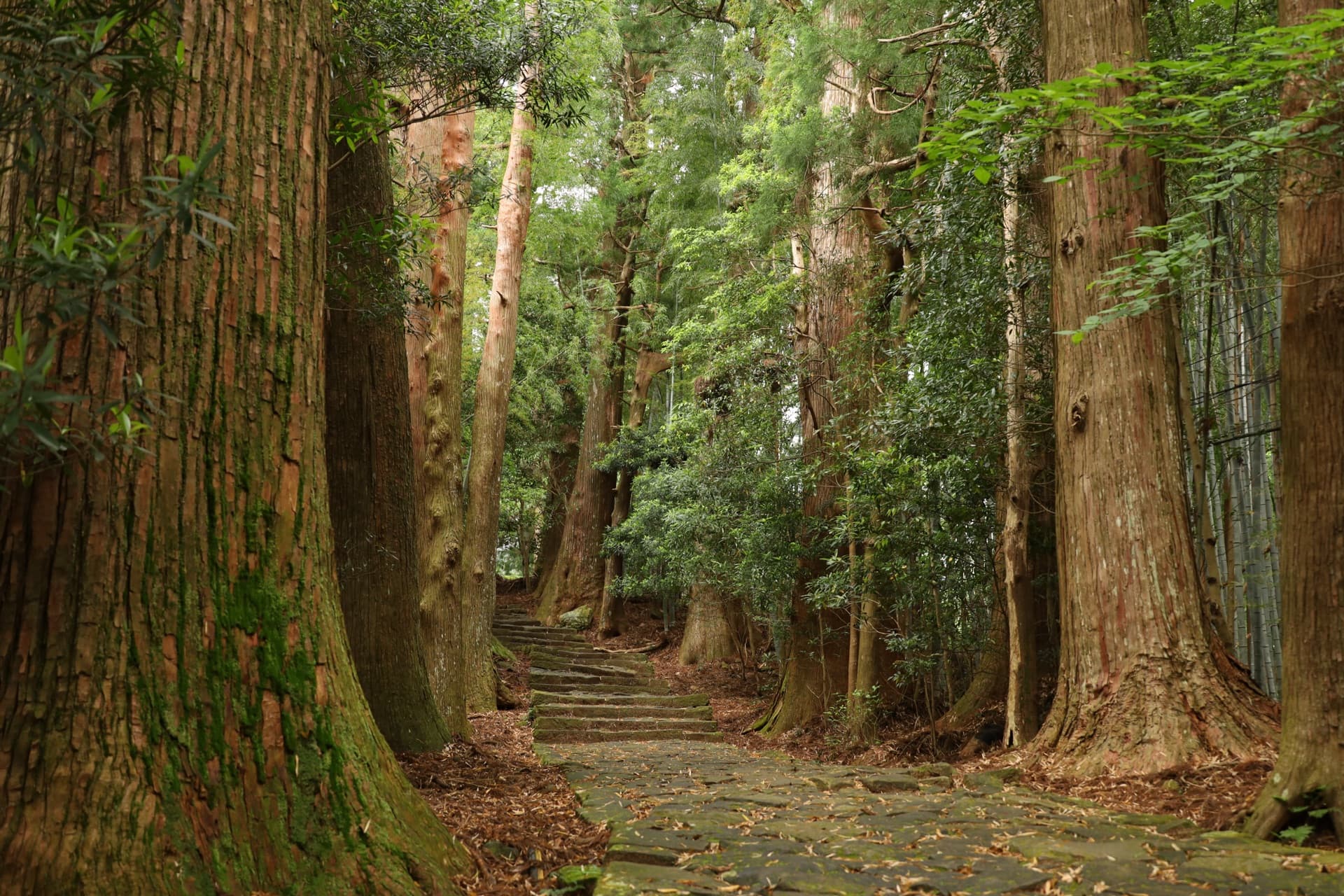
The damp, mossy atmosphere of the forest is part of what makes the Kumano Kodo so appealing, but from the rainy season through autumn, many people worry about leeches. The bottom line: leech protection on the Kumano Kodo starts with "sealing yourself off from the feet up." Here's a mindset to keep in mind before you hit the trail — it should help put you at ease.
First, understand how leeches behave
The leeches you'll encounter in the mountains tend to wait on the ground, among fallen leaves, or on grass, latching onto the feet and ankles of passing people and animals. Their numbers vary by trail section and by year — they aren't necessarily present everywhere on the old roads. That said, after rain, on humid days, or in shaded areas thick with leaf litter, it pays to stay alert.
If you simply know that "they might show up" and prepare accordingly, you can walk without being overly afraid.
The strategy: "Keep them out, keep them off, spot them early"
Keep them out: no gaps around the ankles
Your feet and ankles are the main target. Keeping the following in mind makes a big difference:
- Wear long pants, and either tuck the cuffs into your socks or cover them with gaiters
- Choose socks that come up above the ankle
- Avoid shorts or sandals that leave skin exposed
The look may be a bit utilitarian, but it also protects your ankles on stone-paved paths and descents — a win on two fronts.
Keep them off: focus repellent around your feet
One approach is to apply a commercial anti-leech repellent to your shoes, socks, and pant cuffs. Instructions and permitted uses vary by product, so always read the label. These aren't necessarily the same as regular insect repellents, so when buying, check that the product is specifically labeled for leeches.
Spot them early: check your feet at every break
Leech bites are said to be relatively painless, so you may be bleeding without realizing it. Make a habit of giving your shoes, socks, and calves a quick look every time you take a break.
- Before stopping, scan the ground and pick a spot with fewer fallen leaves
- If you're with others, check each other's backs and necks
- After descending, take off your shoes and check inside your socks and cuffs
If you do get bitten, stay calm
Don't panic if you find one.
- Don't yank it off. Instead, slide a fingernail or the edge of a card between the leech's mouth and your skin to detach it
- Once it's off, rinse the bite thoroughly with water
- The wound may bleed for a while, so press it with a clean piece of gauze
Salt or a lighter flame are sometimes said to work, but depending on the situation they can backfire. If you're unsure, or if there's significant swelling or itching, consult a medical professional. Keep adhesive bandages and gauze in a small pouch stored where you can easily reach it in your pack.
Decide these things before you set out
- Season: During the humid months, pay extra attention to securing your lower legs
- Recent weather: After rain, grass and fallen leaves underfoot stay wet — those are the days leeches are more active
- Up-to-date information: Check conditions for each section at local tourist information centers or official sources
Summary
Leech protection isn't about special gear — it comes down to the unglamorous basics of "cover your ankles" and "check at every break." With that preparation in place, you can give your full attention to the moss-covered stone paths and the quiet of the cedar groves. Secure your footwear and enjoy the forests of Kumano with peace of mind.
Image: 熊野古道中辺路 大門坂 (via (公社)和歌山県観光連盟)


