 LOCAL FIT KUMANOBack to list
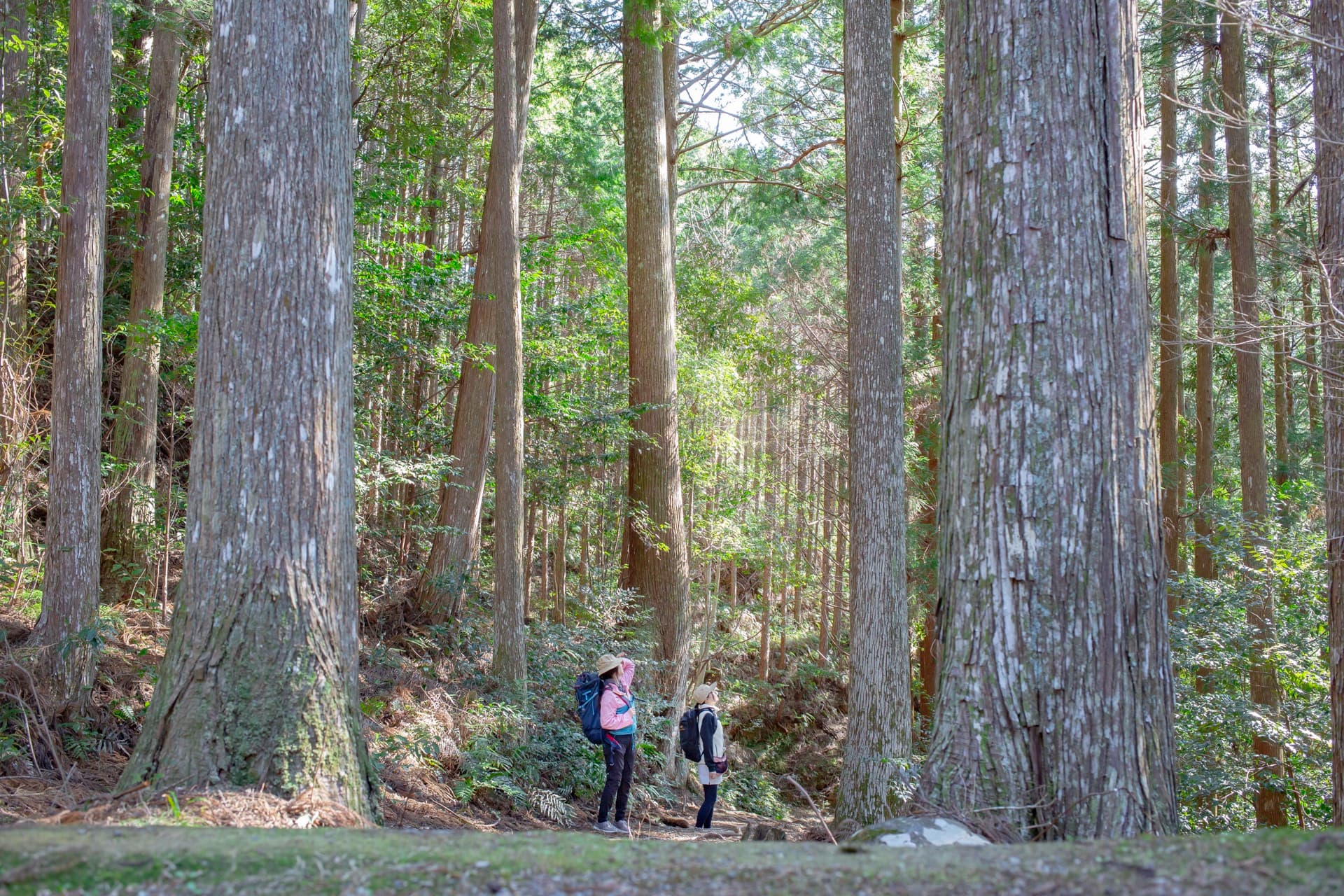
Thinking in Terms of 'Adding and Removing' Layers Makes Kumano Kodo Clothing Easier
Many travelers researching what to wear on the Kumano Kodo by month end up wondering, "So what should I actually wear?" The ancient paths through the mountains warm you up as you walk, but chill you quickly when you stop. On top of that, how it feels can shift dramatically between the shade of stone-paved paths and cedar groves and the sunny open sections.
That's why, rather than searching for the perfect outfit for each month, we recommend basing your approach on layers you can put on and take off as needed. Here, we'll organize month-by-month Kumano Kodo clothing guidelines by season, age group, and gender.
The Three Essential Layers to Know
- Base layer (moisture-wicking): Rather than cotton, quick-drying synthetics or wool-based materials are reliable choices.
- Mid layer (temperature control): A thin fleece or long-sleeved shirt works well.
- Outer layer (rain and wind protection): A lightweight rain jacket. We recommend this over an umbrella since it keeps both hands free.
Simply by adjusting the "thickness" of these three layers, you can handle almost any month.
Quick Reference: Adding and Removing Layers by Month and Season
Spring (March, April, May)
This is a season when there's often a big gap between morning/evening and midday temperatures. Layer a thin mid layer over a long-sleeved base layer, in a way you can remove when it gets warm. March can still feel chilly, so a small accessory to warm your neck comes in handy. In May, the sun can be strong on some days, making a hat and lightweight long sleeves useful.
Summer (June, July, August)
In June, plan for rainy season showers with a two-piece rain suit. In July and August, managing sweat is the top priority—wear a quick-drying short-sleeved shirt and carry one thin long-sleeved layer for sun and insect protection. Even with plenty of shade, it stays humid, so bringing a change of base layer makes a real difference in comfort.
Autumn (September, October, November)
September still calls for summer-like attire, while October works with the same "add and remove" approach as spring. In November, mornings and evenings get chilly, so make your mid layer a bit thicker. Fallen leaves can make the ground slippery, so this is also a season to think carefully about your footwear.
Winter (December, January, February)
With shorter days, starting early and dressing warmly are essential. Choose a warm base layer, and splitting your mid layer into two pieces makes temperature adjustment easier. Gloves and a hat that covers your ears are reliable companions. Keep in mind that higher elevations get colder than the lowlands, and prepare accordingly.
Points That Often Confuse Women and Men
Clothing for Women
Pants or leggings are easier to walk in than skirts. If you're concerned about sunburn or insects, go with thin long sleeves and a wide-brimmed hat. If you tend to carry a lot, keeping valuables in a small pouch makes them easier to access.
Clothing for Men
Many men tend to sweat more, so prioritize quick-drying materials. Cotton T-shirts are slow to dry, so synthetic base layers are recommended. Jeans become heavy and cold when wet, so lightweight trekking pants are far more comfortable.
Approaches by Age and Experience
Clothing for Those in Their 50s
If you're finding it harder to regulate your body temperature, a front-opening mid layer that's easy to put on and take off is convenient. Rather than a waist pouch, use a backpack to distribute weight and reduce strain on your shoulders.
Clothing for Those in Their 60s
Not overdoing it is the top priority. Focus on a base layer that prevents chills, non-slip shoes, and a lightweight rain jacket. Start out dressed "slightly on the warm side"—it's just right if you can remove a layer when you warm up.
Clothing for Beginners
You don't need specialized gear to get started—just shoes a bit sturdier than sneakers and clothes you can layer. We recommend trying a short section first to figure out the right layering approach for you.
A Checklist for When You're Unsure
- Packed one mid layer you can put on and take off
- Stored rain gear where it's easy to pull out of your backpack
- Chose shoes you're already used to wearing
- Prepared one spare set of base layer clothing
Once your clothing is sorted, you can truly savor the quiet of moss-covered stone paths and cedar groves. Find your own "adding and removing" rhythm, and enjoy walking the paths of Kumano comfortably.
Image: 熊野古道 (via (公社)和歌山県観光連盟)


