 LOCAL FIT KUMANOBack to list
On the Kumano Kodo in January, You Get Colder "When You Stop" Than "While You're Walking"
If you search for "Kumano Kodo January clothing," the first thing you'll probably want to know is the temperature. But on a winter walk along the old pilgrimage trail, the real difference shows up not while you're moving, but the moment you stand still.
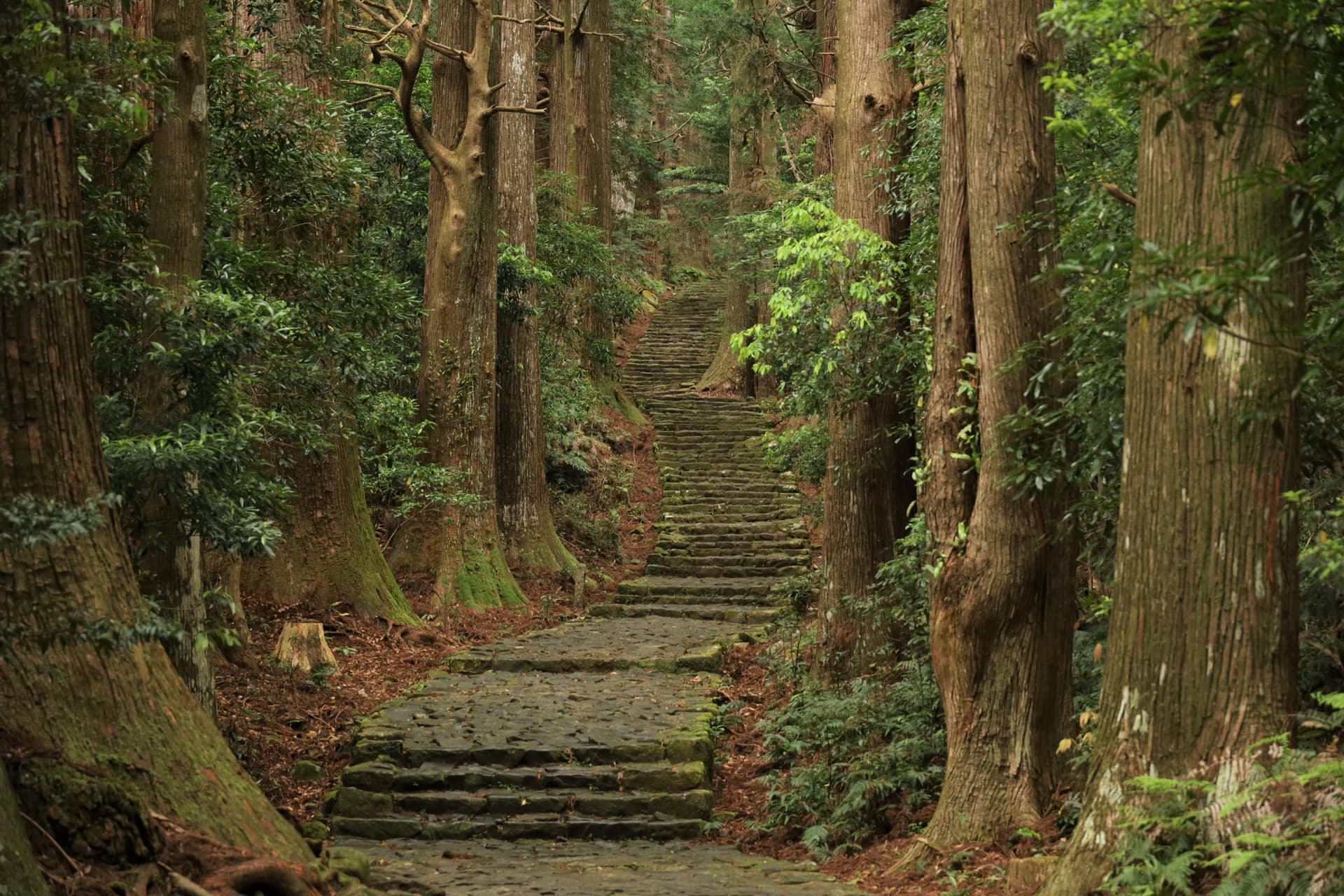
Climbing a slope, your body warms up and you feel fine even in light clothing. But stop at an oji shrine or sit down for lunch, and your sweat cools, bringing a sudden chill. The cedar groves tucked between the mountains block much of the sunlight, and the stone-paved, moss-covered paths stay cool.
That's why, for January clothing, it works well to think of it as carrying one set for your "walking body temperature" and another for your "resting body temperature."
Three Layers to Manage Your Walking Body Temperature
Base Layer: An Undershirt That Wicks Sweat
For the layer against your skin, synthetic or wool-based fabrics that dry quickly are reliable. Cotton holds onto sweat and chills easily, so it's a material to avoid on winter mountain trails.
Mid Layer: A Light Fleece That's Easy to Put On and Take Off
The mid layer's job is to take the edge off the morning chill and come off quickly once you warm up. A full-zip style lets you adjust your body temperature with the zipper even while walking.
Outer Layer: A Light Piece That Blocks the Wind
On ridges and open sections, the wind steals your body heat. Keeping a lightweight windshell or rain jacket in your pack means you're also covered in rain or wind.
The "+1 Layer" That Protects Your Resting Body Temperature
An important January tip is to carry one piece that you don't wear while walking — kept solely to throw on the moment you stop. A light, packable down or synthetic-fill jacket is ideal.
The key is to take layers off before you sweat, and put them on before you stop. Remove one layer just before a climb, and slip the extra on as soon as you take a break. Just this habit alone makes a big difference in how much you chill.
Cover Your Extremities and Neck with Accessories
- Neck warmer: Warming your neck dramatically changes how warm you feel, and it's easy to put on and take off.
- Light gloves: Useful when touching stone paving or handrails. A touchscreen-compatible pair makes checking maps easier.
- Hat or ear band: Cold ears tend to drain your focus too.
- Not-too-thick socks + a spare pair: Rather than wearing one thick pair, going with a medium thickness and carrying a spare gives you peace of mind if your feet get wet.
Things to Watch Out for in January
The Sun Sets Early
Winter days are short, and mountain trails get dark quickly in the late afternoon. This is more about planning than clothing, but setting out early and finishing while it's still light also helps protect against the cold.
Sun and Shade Feel Very Different
Even on the same trail, sunlit sections and shaded ones feel completely different. The temperature at your starting point may be warm, yet it can turn cold along the way. In higher mountain areas, the trail surface can also become cold and damp depending on the weather, so choose shoes with good grip for your footing.
The Chill After You Finish Walking
Once you stop and your sweat dries, you suddenly feel cold. Leaving a dry undershirt and fleece in the bus or car means you can stay comfortable until you reach an onsen.
A Checklist for When You're Unsure
1. Three layers for walking (undershirt, fleece, windproof jacket)
2. One light insulated piece for breaks
3. Accessories to protect your neck, hands, and ears
4. A spare pair of socks, and a change of clothes for after the walk
January on the Kumano Kodo is a season of fewer people, crisp air, and quiet trails to savor. Rather than trying to "beat the cold," prepare so that "you won't be caught off guard when you stop," and take a slow walk through winter Kumano.
Image: 熊野古道中辺路 大門坂 (via (公社)和歌山県観光連盟)


