 LOCAL FIT KUMANOBack to list
After the Itinerary, You Need to Design 'How to Walk'
Many people searching for 'Kumano Kodo itinerary how to walk' probably want to learn both how to plan their route and how to actually walk it.
The Kumano Kodo is a trail where even a short section on the map can feel very different once you set foot on it. Stone-paved paths, groves of cedar, steep ascents and descents, and small roadside shrines — there are so many places that invite you to pause that falling behind your planned schedule is really quite natural.
Rather than introducing specific courses, this article organizes a 'way of thinking about walking' that applies to any route.
Three Things to Decide Before You Start Walking
1. Work Backward from Your Finish Time
On mountain trails, the light fades quickly once the sun starts to set. Rather than deciding your departure time first, decide 'by what time I want to arrive,' and the rest of the plan falls into place more easily. We recommend taking the standard walking times from guidebooks and adding extra time for breaks and photo stops.
2. Separate 'Sections You Can Take Slowly' from 'Sections to Move Through'
Allow plenty of time in places where you want to savor the scenery or historic sites, and pick up the pace a little on the more monotonous stretches. This keeps the overall flow of your day from falling apart.
3. Check Your Escape Options on the Map
In case of fatigue or a change in the weather, look up in advance where you can exit the trail and where public transport is available. Knowing when to turn back is itself an important walking skill.
Tips for While You're Walking
Go Slowly for the First 30 Minutes
Pushing too hard at the start will catch up with you later. Imagine walking at a pace where you can still hold a conversation, letting your body gradually warm up.
Rest 'Before' You Get Tired
Frequent short breaks are easier on the body than resting only after you're tired. Sip water and nibble on snacks a little at a time, before you get thirsty or hungry.
Be Especially Careful on Descents
Downhill sections put a surprising amount of strain on the knees and toes. Shorten your stride and try to land with your whole foot flat for better stability. Stone paving becomes slippery when wet, so take extra care after rain.
Check Signs and Maps Frequently
At junctions, get into the habit of comparing your smartphone map with the trail signs on the ground. Signal can be weak in places, so preparation ahead of time brings peace of mind.
The Pleasure of Pausing at the Oji Shrines
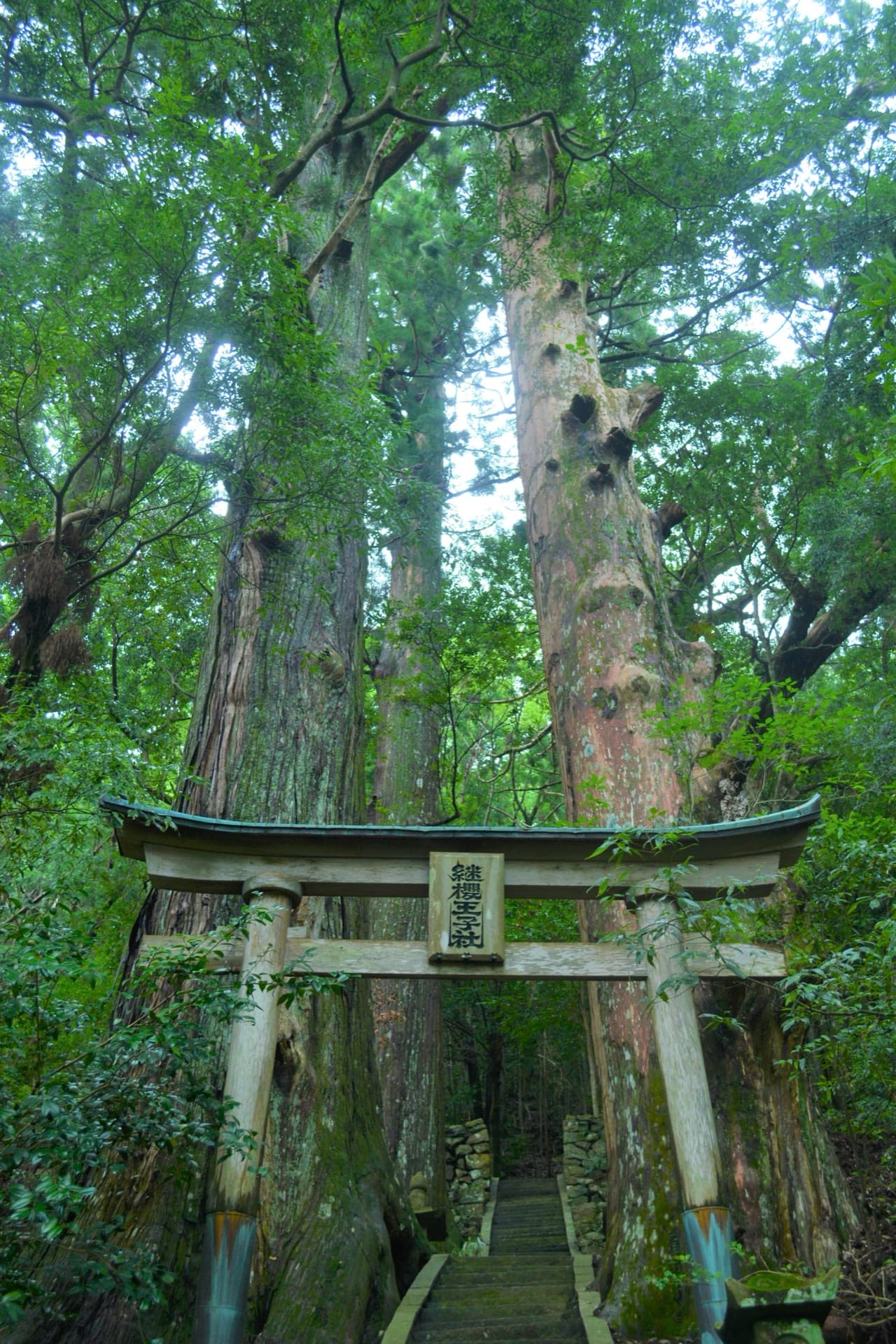
Along the Kumano Kodo, you'll find small shrines called 'oji' scattered at intervals. These were places where pilgrims of old offered their prayers. You can simply pass by, but stopping for a moment and bowing your head transforms your walking from mere exercise into something closer to pilgrimage.
Using the oji as natural rest stops gives rhythm to your day and makes it easier for first-time walkers to find their pace.
A Word from the Locals
On the Kumano Kodo, what stays with you is less 'how far you walked' and more 'how you walked.' Don't make arriving quickly your goal — move forward while savoring the path, the nature, and the people you meet. That, we locals feel, is the most Kumano-like way to walk.
An itinerary is only a guide. Reshape it flexibly to suit the weather and your condition, and create a day on the Kumano Kodo that is uniquely your own.
Summary
- Work backward from your finish time, and build in room for breaks
- Start slowly, and rest often before fatigue sets in
- Take special care on descents and wet stone paving
- Pausing at oji shrines gives rhythm to the whole walk
The answer to 'Kumano Kodo itinerary how to walk' lies outside the itinerary itself. Each unhurried step is what will make the Kumano trails all the more meaningful.
Image: 熊野古道中辺路 継桜王子 (via (公社)和歌山県観光連盟)


