 LOCAL FIT KUMANOBack to list
Kumano Kodo Gear: Start by "Not Buying Everything"
Search for "Kumano Kodo gear" and you may be surprised to find equipment lists that rival serious mountaineering. But for a day hike covering a short section, full-on climbing gear simply isn't necessary. The key idea is to invest in just three places: your feet, your back, and your hands. Clothing and small accessories are often fine with what you already own, and getting these three right will dramatically change how comfortably you walk.
1. Feet: Shoes Are the Top Priority
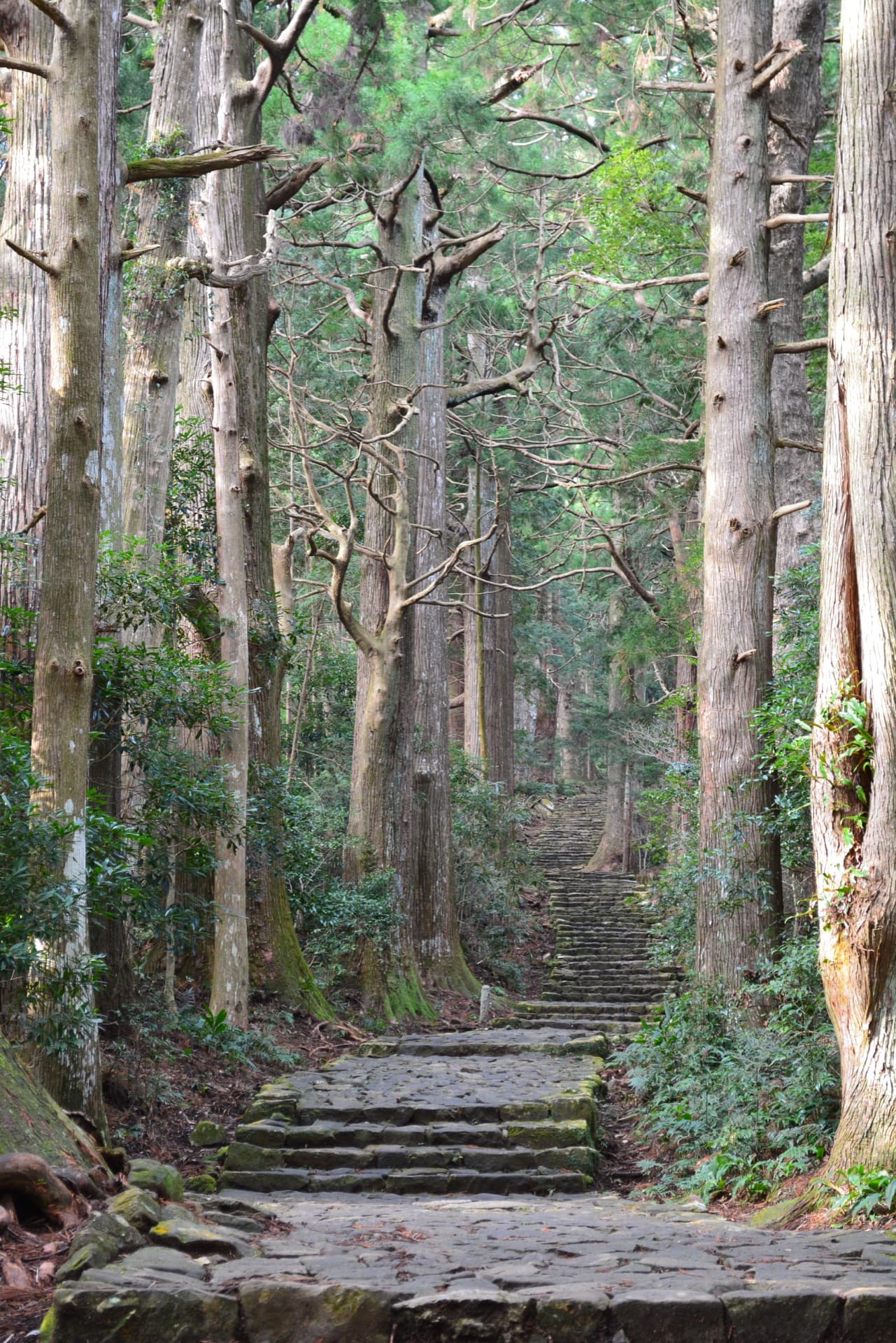
The Kumano Kodo mixes moss-covered stone paving, dirt slopes, and paths crisscrossed with exposed tree roots. On stone paving especially, the feel through the sole of your foot is what you'll rely on, whether the surface is wet or dry.
What to Look for in Shoes
- Shoes with grooved, moderately stiff soles are reassuring. Thin, flat soles tire your feet quickly on descents.
- For light day-hike sections, trekking shoes or hiking shoes are plenty. For sections with longer distances or significant elevation change, ankle-supporting styles are also worth considering.
- The golden rule: never wear brand-new shoes straight into the real thing. Walk around your neighborhood a few times first to see where blisters might form.
- Thick socks are best, and carrying a spare pair to change into during a rest stop will make your feet feel much lighter.
2. Back: A Pack That's "Small and Hugs Your Body"
Carrying too much drains your energy fast on uphill sections. For a day hike, a small pack is enough. One that distributes weight across your hips and chest straps — not just your shoulders — stays steady and feels much easier to carry.
- A backpack that leaves both hands free is the baseline. Shoulder bags tire you out and are dangerous if you fall.
- Pack "things you use often" near the top and "just-in-case items" at the bottom, so you can grab what you need without stopping.
- Another option is to leave larger luggage at your lodging or station, or send it ahead, so you can walk light on hiking days.
3. Hands: Trekking Poles Are "Knee Insurance"
Poles aren't essential, but on routes with lots of downhill they take real strain off your knees.
- They're especially reassuring on long descents or for anyone worried about their knees or legs.
- On stone paving and sacred approach paths, there are places where you'll be expected to use rubber tip caps or similar protection. Rules on pole use and whether they can be brought in can vary by section, so check in advance to be safe.
- If it's your first time, consider looking into rentals or loaner programs before buying.
Buy, Rent, or Skip? Where to Draw the Line
| Gear | How to Think About It |
|---|---|
| Shoes | If using what you already own, check sole stiffness and grip carefully |
| Backpack | A small everyday backpack is often enough |
| Poles | Consider them if there are long descents or knee concerns |
| Headlamp | Even for day hikes, carry a lightweight spare during short-daylight seasons |
A Small Word from a Local
The mountains of Kumano, surrounded by trees, grow dark faster than you'd expect. Think of gear as the "bare minimum so you don't panic if something happens," and give yourself plenty of time at the start of the day — that's the single best preparation. Before stocking up on gear, get your footwear right first, and take time to savor the quiet air of the old road.
Image: 熊野古道中辺路 大門坂 (via (公社)和歌山県観光連盟)


