 LOCAL FIT KUMANOBack to list
February on the Kumano Kodo: A Season That Grows Richer When You 'Walk Less'
February on the Kumano Kodo falls in the depths of winter. The flow of visitors settles down, and the cedar groves become astonishingly quiet. Hearing only your own footsteps echo on the moss-covered stone pavement is a luxury unique to this season.
At the same time, the sun sets early, and once it begins to dip behind the mountains, the air cools quickly. If you cram in long distances the way you would in spring or autumn, you'll likely feel rushed by the end. In February, 'walking less and savoring more deeply' is just about the right balance.
Three Things to Keep in Mind on the Kumano Kodo in February
1. Walk in the Morning, Leave the Afternoon Open
In winter, the fundamental rule is 'come down the mountain while it's still light, and return to town before dark.' Start walking early in the morning and finish by early afternoon. Setting up a morning-focused schedule like this means you won't panic even if your plans shift a little. Use the afternoon for shrine visits, hot springs, or a late lunch — your body and mind will both unwind.
2. Expect 'Frozen and Damp' Trail Surfaces in the Morning
Stone pavements and tree roots in the shade can stay cold and damp through the morning. In higher mountain areas, you may encounter frost, ice, or even hints of snow depending on the weather. Slippery spots become more frequent, so simply taking smaller steps and carefully choosing where to place your feet makes a real difference in how secure you feel. Before setting out, check both the day's weather forecast and the trail conditions.
3. 'Cold-Weather Gear' Is for When You Stop Moving
Your body warms up while walking, but during breaks, sweat cools quickly and the chill sets in fast. The trick in February is to keep one extra layer within easy reach for when you stop moving. Hot drinks, gloves, and a neck warmer are also items that pack small but deliver big results. For an overall approach to what to wear, you might also refer to the perspective on 'adding and subtracting layers' in our separate article.
Choose Winter Sections Based on 'Short but Rich'
In February, sections that can be completed in about 1–3 hours are better suited than long through-hikes. For example, routes like the approach to Nachisan (Daimon-zaka), with its memorable stone pavement and cedar groves, concentrate the essence of Kumano into a short walk — and shine all the more in the crisp winter air.
Here are some guidelines for choosing:
- Easy to turn back: Routes you can cut short partway, or sections near bus stops or stations
- Close to town: Somewhere warm is within easy reach after you finish
- Plenty of time before sunset: Set your target finish time well before it gets dark
Your Reward After Walking: Hot Springs and a Warm Meal
Soaking in a hot spring with a chilled body is, without exaggeration, the star of this season. Kumano is home to distinctive onsen areas like Yunomine, Kawayu, and Katsuura — each with its own character — making them the perfect finish after a walk. Take a bath before dinner and turn in early. A winter Kodo journey like this will leave you with a lighter step the next morning, too.
Early spring is also the time when the first early-blooming flowers begin to open, offering the quiet pleasure of spotting small signs of the next season amid the cold.
Final Checks Before You Set Out
- Check winter timetables and operating days for buses and trains in advance
- Set your target finish time with ample margin before sunset
- Check trail conditions and the weather twice — the day before and the morning of
Rather than 'walking a lot,' aim to 'savor a quiet Kumano, just the right amount.' February on the Kumano Kodo is a season that suits this grown-up way of walking.
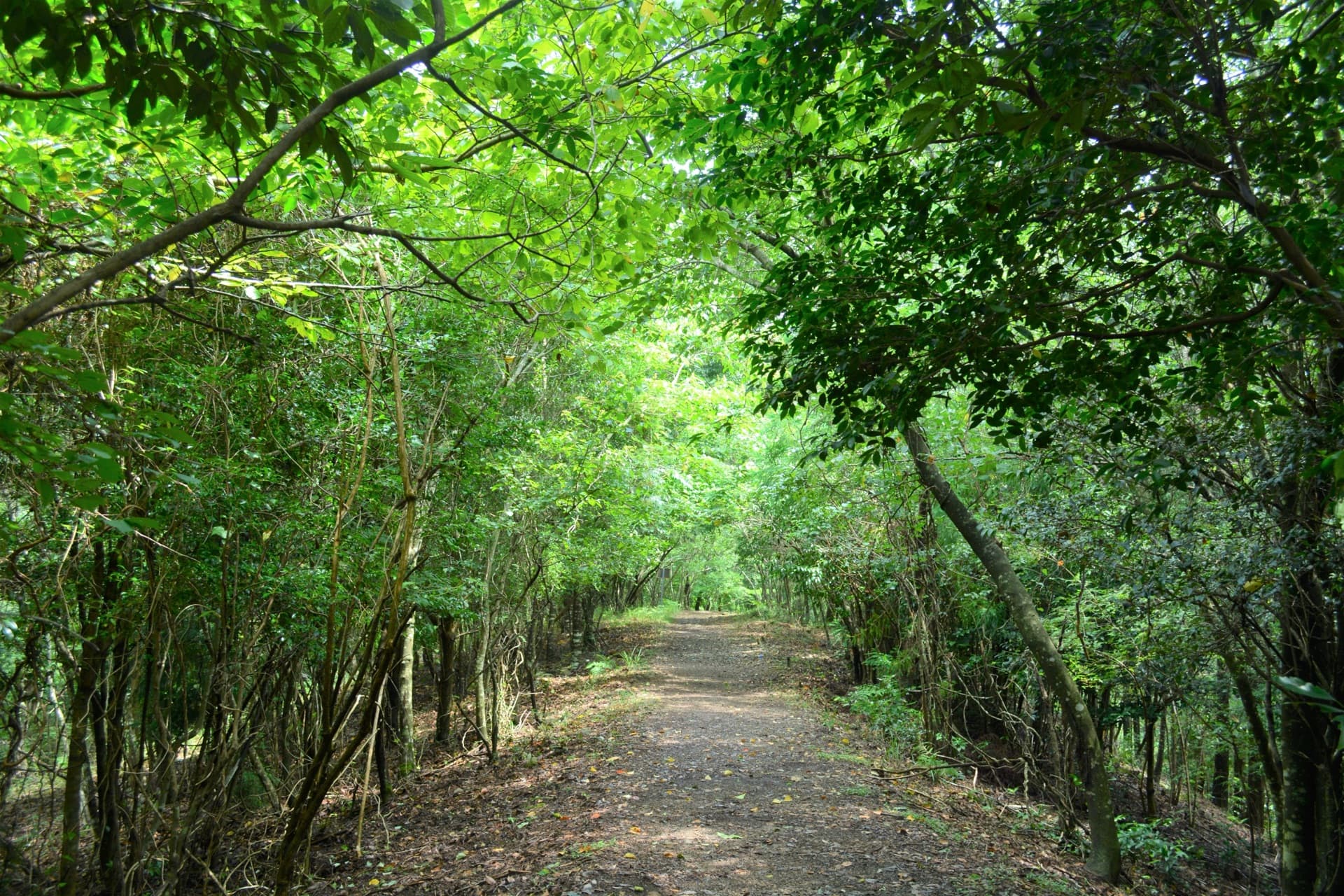
Image: 熊野古道中辺路 (via (公社)和歌山県観光連盟)


