 LOCAL FIT KUMANOBack to list
The Kumano Kodo's climate is defined by how close the sea and mountains are
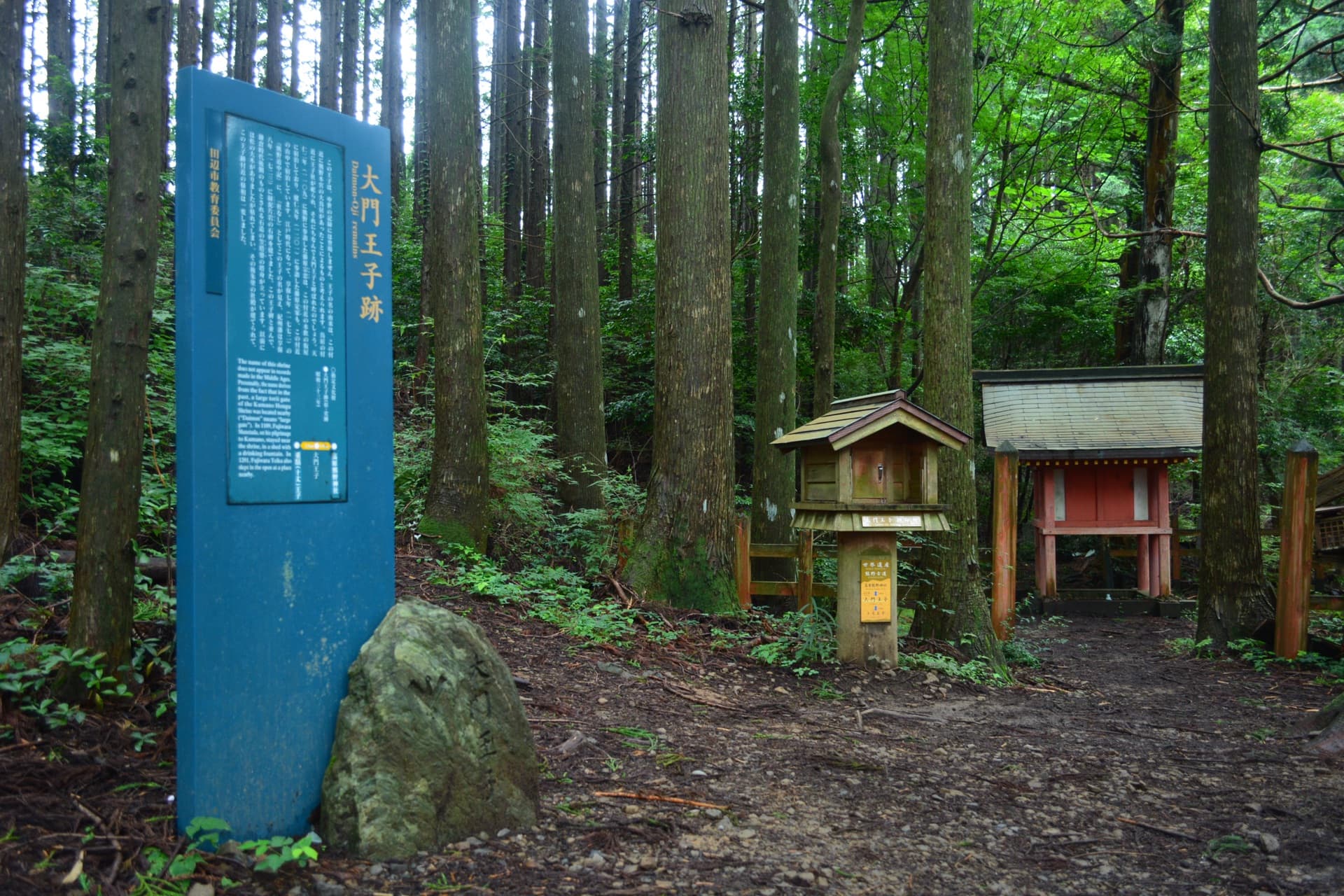
Walk the Kumano Kodo and you'll encounter moss spreading across stone-paved paths and cedar trees cloaked in mist. That damp, atmospheric scenery is a product of the local climate.
In a word, Kumano's climate is mild and highly humid. Behind this lie two major influences: the Kuroshio Current and the Kii Mountains.
The two main players shaping the climate
Warmth and moisture from the Kuroshio Current
The warm Kuroshio Current flows along the southern side of the Kii Peninsula. The air carried in from the sea is rich in moisture, and even in winter the coast stays relatively mild. It's thanks to this warmth that citrus fruits and broadleaf evergreens thrive in Kumano.
The Kii Mountains catch the rain clouds
When that moist air collides with the steep mountains inland, it readily forms rain clouds. This is why Kumano is known as a region of heavy rainfall. The deep mountainous terrain draws in clouds and rain, continuously nourishing the forests.
Scenery shaped by the climate
Moss-covered stones and deep cedar groves
Because rain and humidity never let up, moss carpets the stone paths, and cedars and cypresses grow tall and straight. The hushed stone steps and cedar-lined paths of Daimon-zaka are landscapes created where climate and human effort meet.
The look of mist and dappled sunlight
On mornings and evenings when mist rises, the outlines of the forest soften and the ancient path looks all the more mystical. Even sunlight filtering through the trees on clear days has a special beauty, because the moist air scatters the light gently.
The air changes depending on where you walk
Even on the same Kumano Kodo, how it feels varies greatly from place to place.
- Routes near the sea: Breezy, with few freezing days even in winter — though you'll feel the sun and salty wind more directly.
- Mountain routes: The higher you go, the cooler the air. In valleys the sun sets early, and mornings and nights get noticeably cold.
- Riverside routes: High humidity, with mist often forming in the mornings.
It's easy to be caught off guard — "it felt warm by the coast, but it's freezing in the mountains." Keep in mind that temperature changes with altitude and time of day.
Tips for walking in harmony with the weather
In Kumano, it's not unusual for "sudden rain in the mountains, even on a sunny forecast." The following preparations will help:
1. Always carry rain gear: Even with a sunny forecast, a light rain jacket brings peace of mind.
2. Dress in easy-to-adjust layers: You'll be warm while walking and chilly when resting — layers help you cope.
3. Wear shoes with good grip: Wet stones and moss are slipperier than you'd expect.
4. Check the latest weather before you leave: Mountain weather changes quickly, and after heavy rain, trail conditions also need attention.
For more detailed advice on seasonal clothing and the best times to walk, please see our other articles.
The humid climate is Kumano itself
To a traveler, rain and mist might feel like inconveniences beyond your control. But the deep green of Kumano's forests, the shimmer of its moss, and the sense of water in the air all exist because of this climate. Perhaps one reason the people of old felt Kumano to be a "land of rebirth" was the vitality of these lush, humid forests.
Knowing a little about how the climate came to be, you'll start to see Kumano's story in every patch of moss at your feet and every wisp of rising mist. Prepare well, and savor the ancient trails along with the ever-changing air.
Image: 熊野古道中辺路 大門坂 (via (公社)和歌山県観光連盟)


