 LOCAL FIT KUMANOBack to list
Do You Need a Hat on the Kumano Kodo? First, Picture the Trail's Many Faces
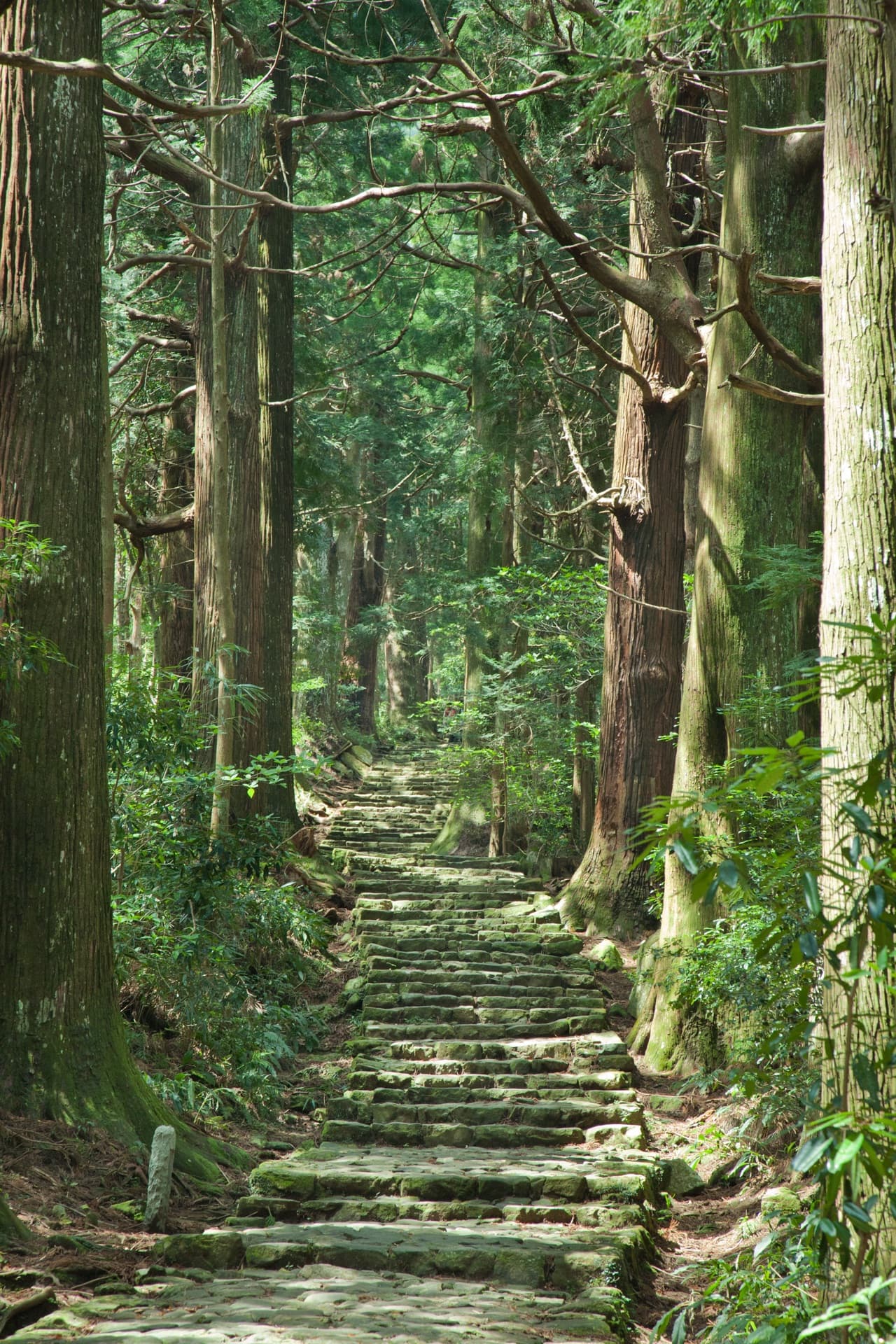
When people think of the Kumano Kodo, many picture dim paths lined with moss-covered stone steps and towering cedars. It's true that sunlight softens inside the forest. But when you actually walk it, you'll encounter paved roads through villages, open spaces at former teahouse sites, scenic ridgelines, and other stretches where the sky opens up wide more often than you might expect.
Moving back and forth between shade and sunlight is a defining feature of walking the old pilgrimage routes. That's exactly why a hat shouldn't be thought of as just a hot-weather accessory, but rather as a small adjustment tool for your head — a perspective that makes choosing one much easier.
Three Criteria for Choosing: Brim, Chin Strap, and Breathability
① For the Brim, Prioritize "Visibility" over "Width"
If you only think about sun protection, you'll be drawn to hats with wide brims. But on stone-paved paths, you need to watch for moss and uneven steps underfoot. If the brim is too large, you may find it harder to see your feet on descents.
- For sunny seasons: a hat with a firm, substantial brim
- For easy year-round use: a shorter brim that doesn't block your view when you look down
Before you set off, try wearing the hat and check how well you can see your feet when looking down.
② A Chin Strap Prepares You for the Wind
On ridges and in open areas, wind can pick up unexpectedly. Stop to take a photo, and a sudden gust can send your hat tumbling off the path. A hat with a chin strap, or one that adjusts at the back, offers real peace of mind. When not needed, you can tuck the strap behind your neck so it stays out of the way.
③ Reduce Stuffiness by Minimizing Places Sweat Collects
Your head sweats a lot during climbs. Breathable materials, or an inner sweatband that absorbs moisture, also help keep you from getting chilled during breaks. On the other hand, if you tend to sweat heavily even in summer, a light, quick-drying hat is better than a thick one.
How a Hat's Role Changes with the Seasons
- Spring and Autumn: In addition to sun protection, it also shields you from branches and insects. A lightweight cap or hat is usually enough.
- Summer: Protection from direct sunlight and heat is the priority. Plan to take it off when entering shade to let air through, and put it back on when you emerge.
- Winter: The temperature gap between sunny spots and the chill you feel when standing still can be striking. Carrying a thin knit cap gives you something reliable to pull on during breaks.
- Rainy Days: Pairing a brimmed hat with a waterproof hood over it helps you keep clear visibility.
Head Accessories to Consider Alongside Your Hat
Rather than trying to solve everything with one hat, combining it with a tenugui (Japanese hand towel) or buff is a classic touch for pilgrimage-trail walking. A single piece can serve many roles: shading your neck, wiping sweat, and keeping your neck warm when it gets cold.
Small Checks to Do Before You Set Out
1. Put it on with the clothes you'll actually hike in and check that the brim doesn't bump against your backpack
2. Shake your head side to side to see if it stays in place
3. Check the tag to confirm the material dries quickly after getting wet
4. Try folding it lightly to see if it packs easily into your bag when not in use
In Summary
Choosing a hat for the Kumano Kodo comes down to three basics rather than style: "you can see your feet," "it won't blow away," and "it doesn't get stuffy." Because the trail moves between shade and sunlight, picking one that's easy to put on and take off leaves you with the mental space to take in the moss on the stones and the light filtering through the trees. Find a hat you love, and savor the ancient path one step at a time.
Image: 熊野古道中辺路 大門坂 (via (公社)和歌山県観光連盟)


