 LOCAL FIT KUMANOBack to list
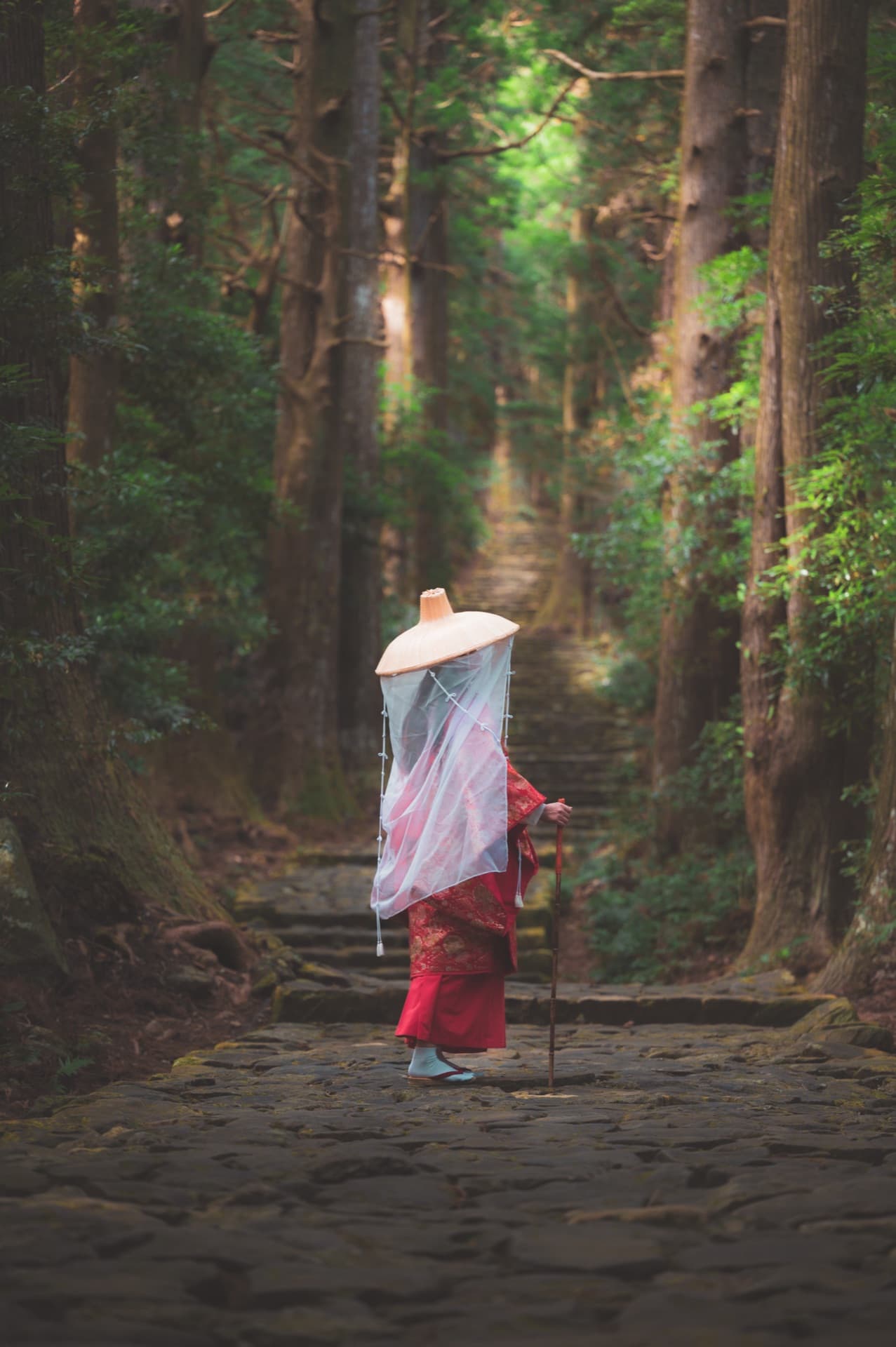
When people search for a beginner's model course on the Kumano Kodo, they tend to focus on "where to start and where to finish." But what helps first-timers most is actually deciding in advance on a line that says, "If I make it this far, it's fine to turn back." This article lays out how to plan a course around that retreat line.
For beginners, start with "where you can return from"
Once you set off on the ancient road, the scenery and stone-paved paths draw you in more than you'd expect. That's exactly why it helps to decide these three things before you leave:
Three lines to set before you depart
- The time to turn back: Decide on a turnaround time while it's still light out and you still have energy to spare.
- The point to turn back: Pick one landmark on the map that marks "this is far enough."
- Your return transport: Check the last bus or taxi times in advance using official sources.
With these three in place, whether your course is short or long, you'll walk with real peace of mind.
Three model course styles for beginners
Style A | Round-trip: the reassuring course where you retrace your steps
Since the entrance and exit are the same, it's easy to gauge your time. For example, a path like Daimon-zaka at Nachisan—where you can take your time enjoying the stone pavement and towering cedars—is well suited to those unsure of their stamina. On the way up you have room to admire the scenery, and on the way back you can double-check how walkable the path really is.
Style B | One-way: take a bus to the trailhead, then walk to your destination
On the Nakahechi route, there are courses where you take a bus to a trailhead partway along, then walk toward Hongu. The sense of accomplishment is great, but the downside is that it's harder to turn back midway. For this reason, check the map before you set out for "escape routes" where you can cut the walk short at a bus stop or village along the way. Operating days and times can change by season, so checking the latest information is essential.
Style C | Detour style: half pilgrimage, half stroll
If walking the ancient road alone feels daunting, make shrine visits or hot springs your main focus and treat the Kumano Kodo as just "a taste." Even a short walk on the stone pavement is enough to feel the atmosphere of Kumano.
How to read trail markers as you walk
Small shrines and shrine sites called "Oji" are scattered along the Kumano Kodo. These make handy checkpoints for confirming your location. Walking in segments—"to the next Oji"—helps you tire less and makes it easier to decide when to turn back. Check signposts carefully at every junction, and if you're ever unsure, don't push on—retrace your steps the way you came. That's the basic rule.
Summary: the beginner's model course mindset
- Before choosing a destination, decide on your "turnaround time, turnaround point, and return transport"
- If in doubt, go round-trip; if you want a challenge, go one-way; if you want to take it easy, go the detour route
- Use the Oji as checkpoints and make your decision before fatigue sets in
A trip you can look back on as "I stopped at just the right spot"—rather than "I didn't make it to the end"—becomes the gateway to a Kumano Kodo you'll want to walk again.
*Please note that trail conditions and transportation may change. Be sure to check the latest information before heading out.
Image: 熊野古道中辺路 大門坂 (via (公社)和歌山県観光連盟)


