 LOCAL FIT KUMANOBack to list
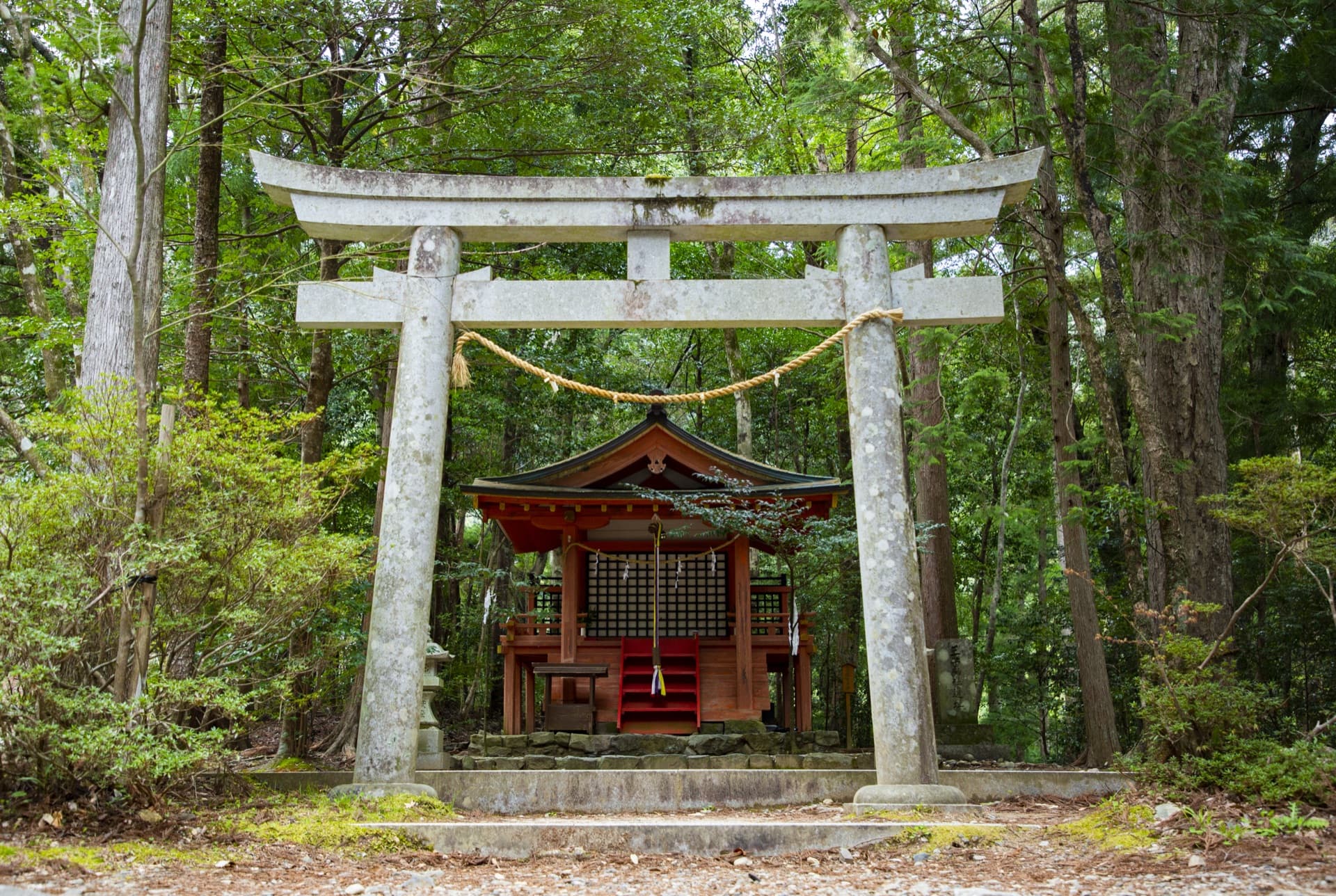
"I'd love to walk the Kumano Kodo, but as a beginner on a day hike, can I really make it all the way?" This is a question we often hear from visitors here in the local area. There's plenty of advice out there about choosing a course and what to pack, but when it comes to walking on the day itself, one surprisingly reliable strategy is to use the "Oji" shrines as checkpoints.
What Are Oji? Landmarks for Walkers of the Old Road
Oji are small shrines that have been enshrined along the Kumano Kodo. They are said to be places where pilgrims heading to Kumano prayed for safe passage and took a moment to catch their breath. Even today, Oji names appear on maps and signboards along many sections of the trail.
The word "shrine" might sound a bit formal, but it's easier to think of them simply as "landmarks along the way where you can rest and check your location."
Three Advantages of Using Oji as Checkpoints on a Day Hike
1. You Always Know Where You Are
In the forest, the scenery can look similar everywhere, and it's easy to lose track of your location. By checking off each Oji as you pass, you'll quickly notice if you've drifted off course on the map. Rather than relying solely on your smartphone, it's reassuring to cross-reference with a paper map or trail signs.
2. You Can Break Up Time and Energy into Manageable Pieces
Thinking "how many more hours do I have to walk?" can feel overwhelming, but "just to the next Oji" is much easier to handle. Build small habits at each Oji—drink some water, retie your shoelaces—and you can catch yourself before fatigue sets in.
3. It's Easier to Decide When to Turn Back
On a day hike, the goal isn't to go as far as you can—it's to return safely while it's still light out. If you decide in advance, "If I'm running late by the time I reach this Oji, I'll turn back here," you won't have to agonize over the decision in the moment. Even walking just partway, you can fully savor the atmosphere of the old road.
Tips for Using This Approach on the Day
- Before you set out, pick out 2–3 Oji names along your route: Check them on a map or brochure and set them as your personal checkpoints.
- Stop at each Oji for just five minutes: Rest, take a photo, offer a small bow. In front of the shrine, be quiet and mindful not to block the path.
- Share your "turnaround Oji" with your companions: The more beginners in your group, the more valuable it is to agree on this ahead of time so everyone can enjoy the walk.
- Check the return transport schedule before you leave: Bus frequencies can change by season, so confirm the latest information on official websites.
"Returning Happy" Beats "Walking the Whole Thing"
The Kumano Kodo changes with every step—stone-paved paths, groves of cedar, small shrines that appear suddenly along the way. As a beginner on a day hike, there's no need to try to conquer every Oji. Stopping at an Oji that catches your eye and simply bringing home the feeling of "I made it this far" is a fine Kumano Kodo experience in itself.
Next time you walk, try using a different Oji as your landmark, even on the same trail. The joy of gradually extending your distance is one of the Kumano Kodo's unique charms.
Image: 熊野古道中辺路 発心門王子 (via (公社)和歌山県観光連盟)