 LOCAL FIT KUMANOBack to list
The time after you receive it is far longer than the moment itself
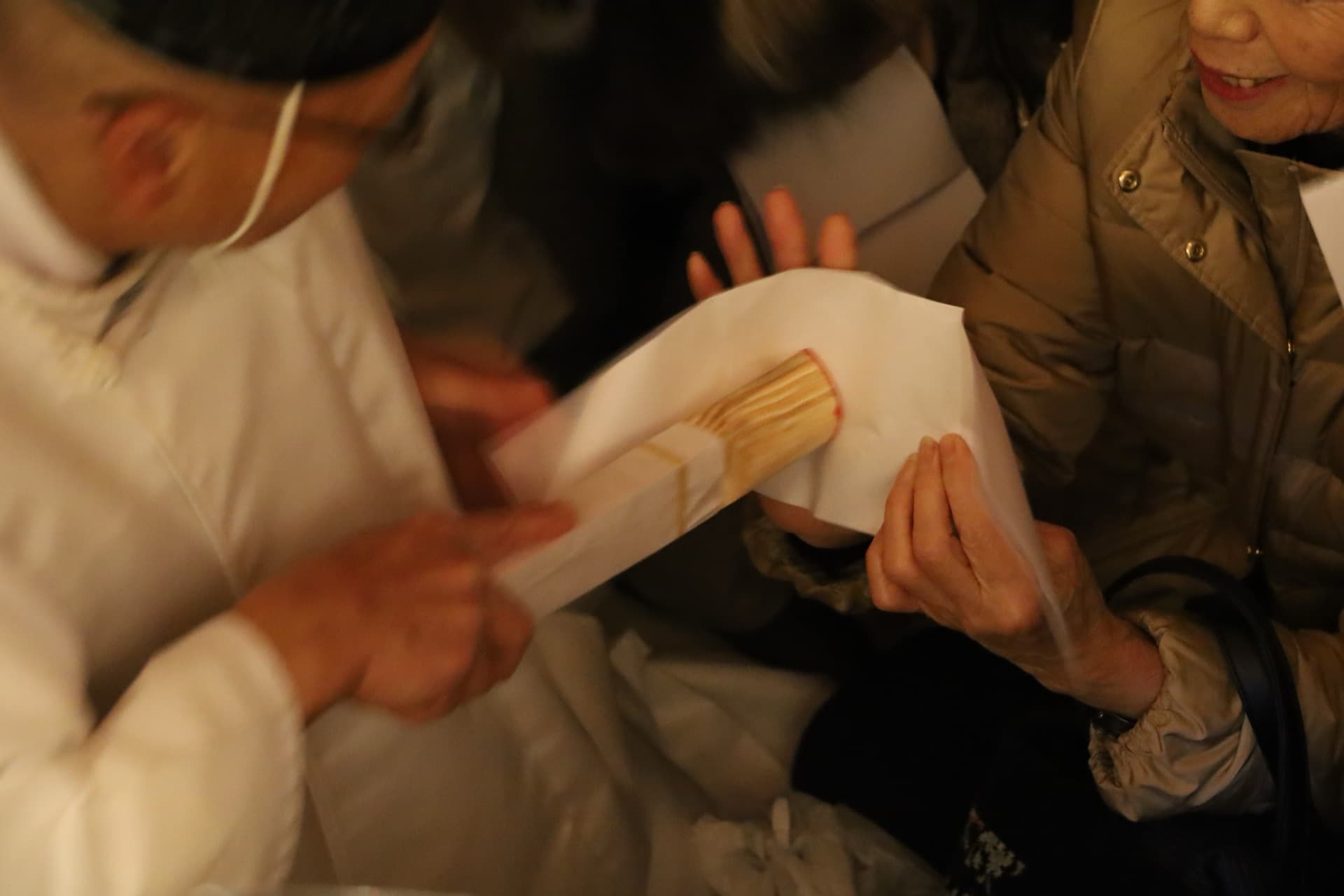
The Yatagarasu charm from Kumano Hongu Taisha is a popular keepsake chosen by many visitors as a memento of their pilgrimage. But the time you spend with the charm — days, months, maybe years — stretches far beyond the few hours of your visit.
The Yatagarasu is said to be the 'guiding bird' that led Emperor Jimmu to Yamato. With that in mind, this charm suits being treated less as a wish-granting object and more as something that quietly reminds you of your direction whenever you feel lost.
The types of charms available and the hours of the amulet office may vary depending on the season and the location within the shrine. Please check on-site when you visit. This article focuses only on how to think about the charm after you've received it.
Choose where to carry it based on 'moments of moving forward'
Since this charm is tied to the guiding bird, it's easier to decide where to keep it by thinking about the moments when you are moving forward in life.
On your commuter or school bag
Attached to the inside or handle of the bag you carry daily, it will catch your eye now and then, bringing back the atmosphere of your trip. If you attach it to the outside, keep in mind that it may wear down easily from friction or rain.
In your wallet or planner
If you're standing at a crossroads in life — changing jobs, moving, preparing for exams — tucking it into your planner is a nice option. Each time you open it, the charm becomes a cue to check 'where am I heading now?'
In your car or travel bag
Some people keep it as a charm for driving or travel. Just avoid placing it anywhere that blocks your view or interferes with driving. Safety comes first.
When giving it to someone, add a few words along with the gift
If you're giving it to family or friends, rather than saying 'you'll be fine as long as you have this,' it's better to add a brief reason for your choice — something like, 'I found this charm at Kumano Hongu Taisha, tied to the legend of the guiding bird.' The person receiving it can then carry it with a lighter heart.
If you plan to receive separate charms for yourself and as gifts, it's a good idea to prepare an envelope or small pouch to keep them from getting crushed in your luggage during the trip.
When it has fulfilled its role, plan how to return it
It's often said that charms should be returned 'after about a year,' but this is only a general guideline, not a rule. The right time to return it is when it becomes worn, or when you feel a sense of closure.
How and whether charms are accepted for return varies by shrine. If you can't make the trip back to Kumano, check in advance whether a nearby shrine's old-charm receiving area will accept it. If you can return a charm to the same place where you received it, that is the most fitting way.
Carrying it as a continuation of your journey
Whether you reached Hongu by walking the Kumano Kodo or arrived by bus, the charm becomes a small promise that you'll return someday.
Each time you pick it up, you may recall the sound of gravel on the approach path, or the stillness of the cedar grove. Why not keep the Yatagarasu charm in your daily life as a small drawer of memories like that?
Image: 熊野本宮大社 八咫烏神事 (via (公社)和歌山県観光連盟)


