 LOCAL FIT KUMANOBack to list
Lunch Around Kumano Hongu Taisha: Start by Asking "What Will I Eat?"
When thinking about lunch around Kumano Hongu Taisha, most people begin by searching for restaurants. But Hongu is a mountain village cradled by deep forests and the Kumano River. Here, knowing in advance "what kinds of flavors you can expect to meet" makes choosing from a menu far easier once you sit down.
Rather than listing specific restaurants, this article gathers background on the dishes long cherished in Kumano's mountain villages. Opening days and menu offerings vary by shop and change with the seasons, so please check the latest information before you visit.
Flavors Long Loved in Kumano's Mountain Villages
Mehari-zushi — A Traveler's Rice Ball Wrapped in Takana Leaves
One of the most well-known local dishes of the Kumano region is *mehari-zushi* — rice wrapped in salted takana (mustard greens) leaves. The name is said to come from the way you have to open your eyes wide (*me wo haru*) to take a bite of such a large morsel. It was long treasured as portable food for people working in the mountains, which makes it a perfect match for a walking journey. Whether enjoyed after your visit to the shrine or as fuel before setting out on the old pilgrimage trails, its unpretentious flavor settles comfortably into the body.
Chagayu — A Gentle Bowl for Morning or Noon
On the Kii Peninsula, *chagayu* — rice porridge simmered in tea — has long been a familiar home-style dish. Light and smooth with a fragrant aroma, it is a welcome choice when your appetite feels modest after climbing the stone steps. Whether it's offered as part of a set meal depends on the shop, so if you find it, consider it a happy encounter and savor the moment.
Gifts of the River and Mountains — Faces That Change with the Seasons
Along the Kumano River basin, you may find dishes featuring river fish or ingredients drawn from the mountains. Game meat, wild mountain vegetables, and mushrooms may also appear, depending on the season and daily sourcing. The surest way to choose is simply to ask the shop, "What do you have today?"
Choose Your Meal to Match How You're Walking
- A day after walking the old trails: If you want a hearty meal, go for a filling set meal or rice bowl.
- A day of shrine visits only: Mehari-zushi or something light won't weigh down your afternoon stroll.
- A day for taking it slow: Consider heading out toward Yunomine or Kawayu and choosing a dining spot in the hot spring villages.
Try not to fill up too much before climbing the stone steps, and look for a place where you can sit and rest at the same time. Keep just these two things in mind, and your afternoon visit to the shrine will feel all the more pleasant.
A Word from a Local Perspective
In these mountain villages, many lunch spots close their midday service early. To be safe, plan your shrine visit and old-road walking schedule with a little extra time so you can arrive during lunch hours. Rather than hunting for "a dish you can only eat here," slowly savor the simple flavors nurtured by this land's way of life. That, we believe, is the greatest luxury of a lunch near Kumano Hongu Taisha.
May the meal you enjoy, lingering in the afterglow of your visit, gently deepen the memories of your journey.
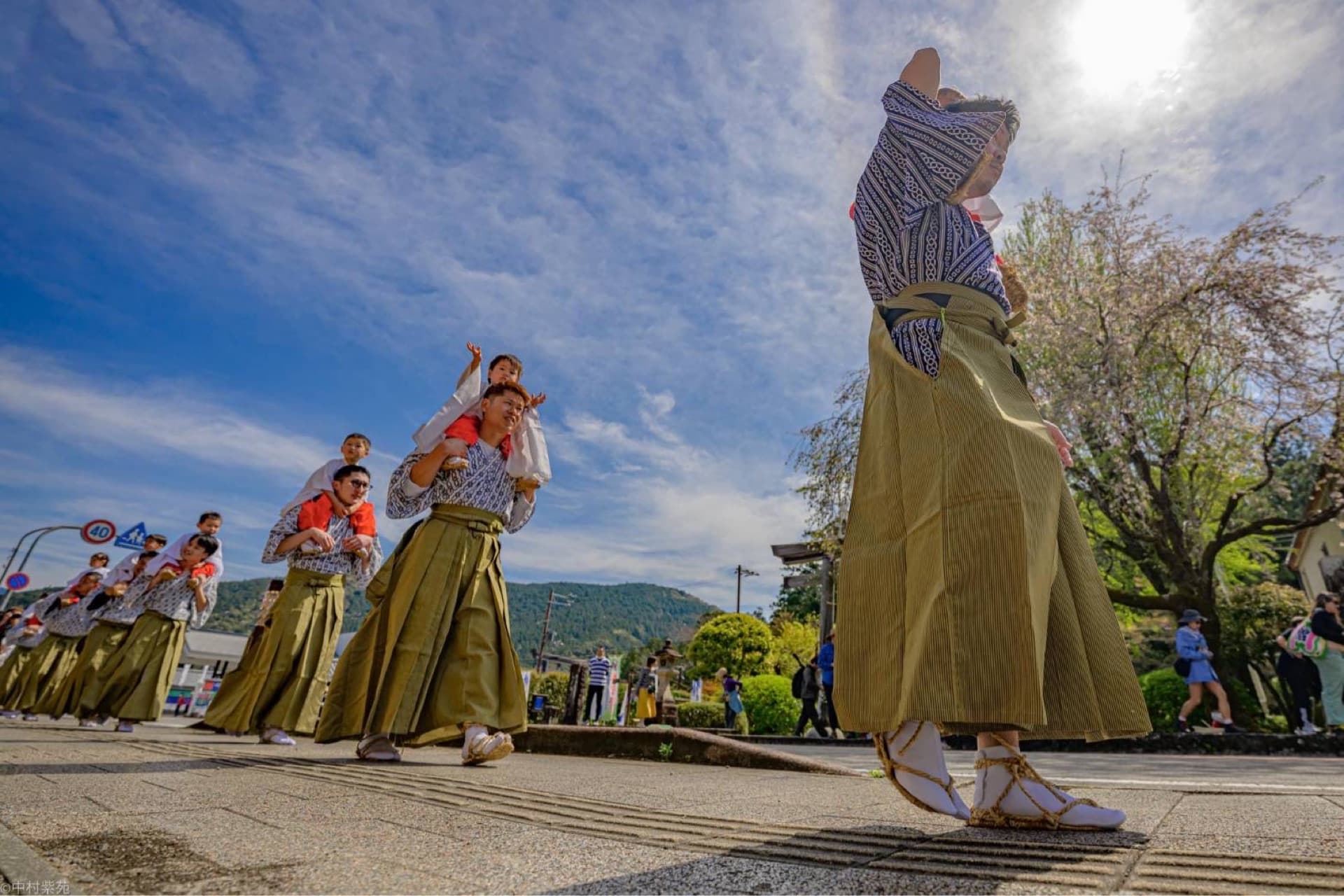
Image: 熊野本宮大社 例大祭 (via (公社)和歌山県観光連盟)


