 LOCAL FIT KUMANOBack to list
The Highlights of Kumano Hongu Taisha Change Depending on "Where You Look"
Search for the highlights of Kumano Hongu Taisha and you'll find a long list of names: the shrine buildings, the Yatagarasu (three-legged crow), Oyunohara, and more. But once you actually walk the grounds, what tends to stay with you isn't the famous sights themselves, but rather the memory of "what you were looking at."
Rather than listing the highlights, this article suggests a way of walking the shrine divided into three perspectives: looking up, looking at your feet, and looking back.
① Looking Up | Taking in the Roofs and Woodwork
The Soft Curves of Cypress-Bark Roofing
The first thing to catch your eye on the grounds is the roofs of the shrine buildings. Kumano Hongu Taisha's shrine buildings are characterized by hiwadabuki roofs — layered cypress bark — which lack the hardness of tiles and blend quietly into the surrounding cedar grove.
In front of the shrine, step back a little and look at the edges of the roof. The thick lines curve gently and quietly, and you can feel the layers of time in them.
Take in the Whole Before You Pray
The Hongu shrine complex is made up of several halls lined up side by side, each enshrining a different deity. Before offering your prayers, take a moment to look over the arrangement — knowing what to pray for and where will keep you from getting lost on the grounds. Looking up at the roofs is also just the right amount of time to settle your mind.
② Looking at Your Feet | The Stone Steps and the Feel of the Earth
The Time Spent Climbing Each Step Is Part of the Visit
From the entrance, you climb a flight of stone steps to reach the shrine buildings. Rather than counting steps or worrying about how long it takes, pay attention to the texture of the stones underfoot and the color of the soil where cedar roots spread. If you've walked the Kumano Kodo, you'll feel as though you're simply continuing along the same path.
After Rain, the Ground Takes on Even More Character
After rain, the stones darken as they grow wet, and the scent of the forest deepens. They can be slippery, though, so wear comfortable walking shoes and take your time. Not hurrying is the best way to savor the highlights.
③ Looking Back | Thinking of the Former Shrine Site at Oyunohara
Why the Shrine Is Where It Is Today
The shrine buildings of Hongu were originally located at Oyunohara, a sandbar in the middle of the Kumano River. They were moved to their current higher ground following the great flood of the Meiji era.
After finishing your visit, pause and turn around to look back at the path you came from and the direction of the forest. Turning your thoughts toward the former shrine site by the river, the quiet grounds you stand in now take on a different meaning.
If You Have Energy to Spare, Walk to Oyunohara
From the shrine grounds, Oyunohara is within walking distance. The scale of the great torii gate and the openness of the sky above form a striking contrast to the forested shrine grounds. Seeing the two together gives you a three-dimensional sense of what Hongu, as a place, really is.
A Relaxed Way of Walking That Ties the Three Perspectives Together
1. Look at your feet as you climb the stone steps
2. Look up in front of the shrine and offer your prayers
3. On the way back, look back and let your thoughts drift to the former shrine site
Walk in this order and, even without any special knowledge, you'll feel the flow of time that is distinctive to Hongu.
In Closing
The highlights of Kumano Hongu Taisha deepen not by counting famous sights, but by shifting your gaze and savoring the place. If you have time, pause your camera for a moment and listen to the sounds of the forest.
*Opening hours and information about the amulet office are subject to change, so please check official sources for the latest information before your visit.
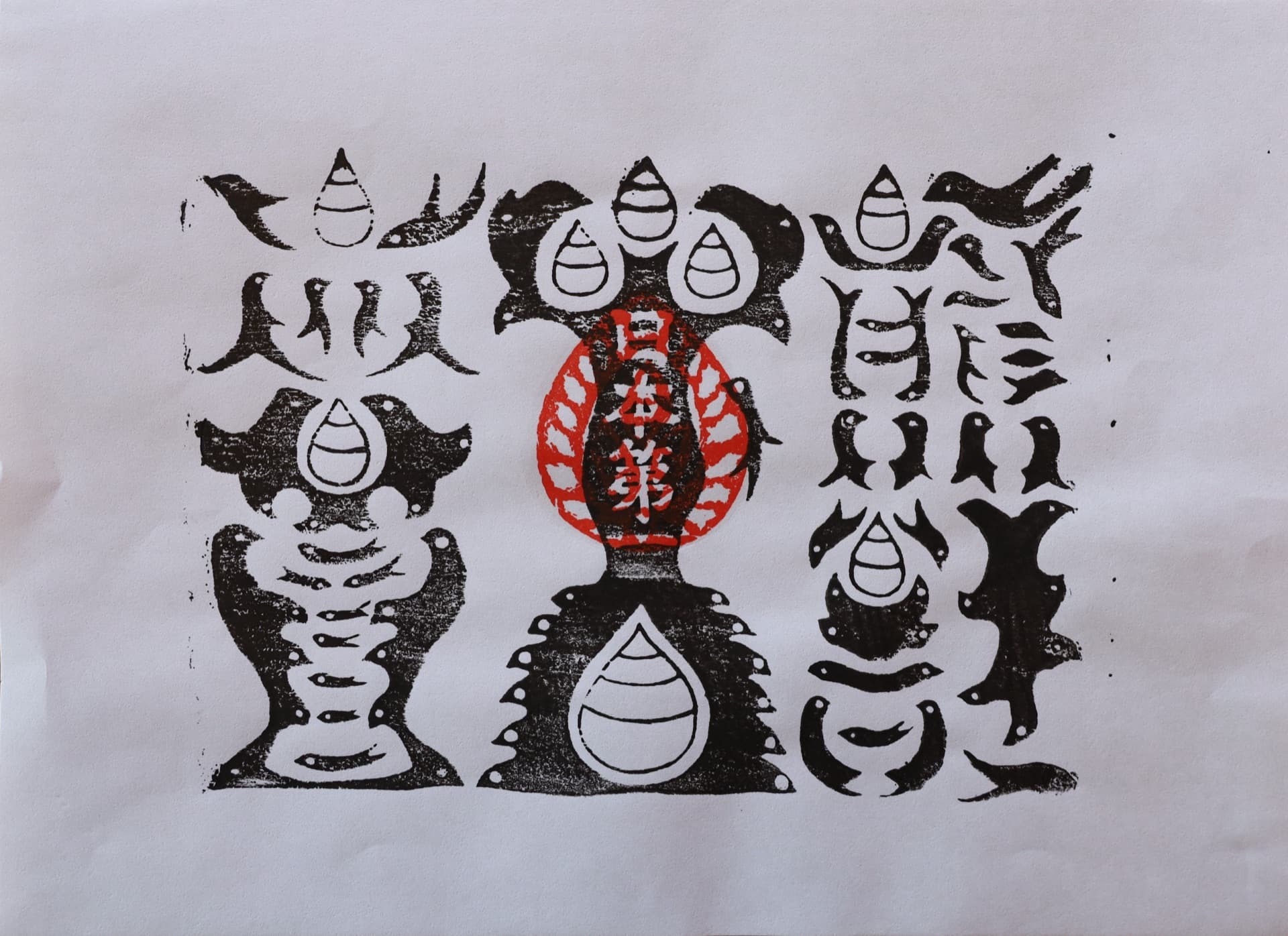
Image: 熊野本宮大社 牛王神符 (via (公社)和歌山県観光連盟)


