 LOCAL FIT KUMANOBack to list
"Yata" is an ancient word expressing size
When researching Kumano Hongu Taisha, you will inevitably come across "Yatagarasu" (the three-legged crow). The word "yata" comes from the old unit of length "ata." An ata is the span between the tip of the thumb and the middle finger, and "yata" originally meant about "eight palms wide," which came to express something "very large." In other words, Yatagarasu is a "great crow"—the guiding crow said to have led Emperor Jimmu to Yamato in ancient legend.
When thinking about a goshuin book from Kumano Hongu Taisha, keeping this meaning of "great guidance" in mind will subtly change how you see the book.
Think of the Kumano Hongu Taisha goshuin book as a "travel diary"
A goshuin book is less a collection album than a record of the paths you have walked. Kumano Hongu Taisha is the sacred destination reached by those who have walked the Kumano Kodo Nakahechi route. If you think of it as the place at the end of the path shown by Yatagarasu, welcoming your very first book here is a lovely choice.
*Note: Availability, designs, offering amounts, and reception hours may change. Please check official information before your visit.*
There are three ways to begin
- Receive a new book at Hongu: For those who want their journey to begin with a single, matching book.
- Bring your own book: For those who wish to line it up alongside stamps from other temples and shrines as one continuous travel record.
- First, check for pre-written sheets (kakioki): For those traveling without a book who prefer to paste or store them later.
Prepare to turn the pages while searching for Yatagarasu
In Kumano, you will spot Yatagarasu everywhere—around the shrine buildings, on omamori charms, even on postboxes. Once you arrive at Hongu, visit and pray first. Receiving the goshuin afterward is the basic order.
On the day you use your goshuin book, preparing the following points will help you feel at ease:
- Finish your prayer first, then head to the goshuin reception
- Mark an easy-to-open page with a sticky tab, and carry the book in a pouch or cover
- On rainy or sweaty days, place it somewhere in your pack where it won't get wet
- After walking the old road, wipe your hands before receiving the seal
On days you walk the Kumano Kodo, your luggage will jostle, so putting the book in a plastic bag and tucking it against the back panel of your pack is a safe approach.
Arrange the pages in the order of the path
If you are visiting the Kumano Sanzan, consider separating pages in the order of Hongu, Hayatama, and Nachi. Arranging them in the flow of "led by the great guiding crow, I arrived here" will bring back the course of your journey when you look through it later. Adding small notes outside the book, such as the date or the section you walked, is another quiet pleasure.
Summary | Knowing "yata" turns a single book into a signpost
"Yata" is an ancient word expressing greatness. And the goshuin book from Kumano Hongu Taisha is a volume that quietly records the paths you walked, following that great guidance. Keep your gear light and your heart attentive. Try leaving the memories of your Kumano journey on its pages.
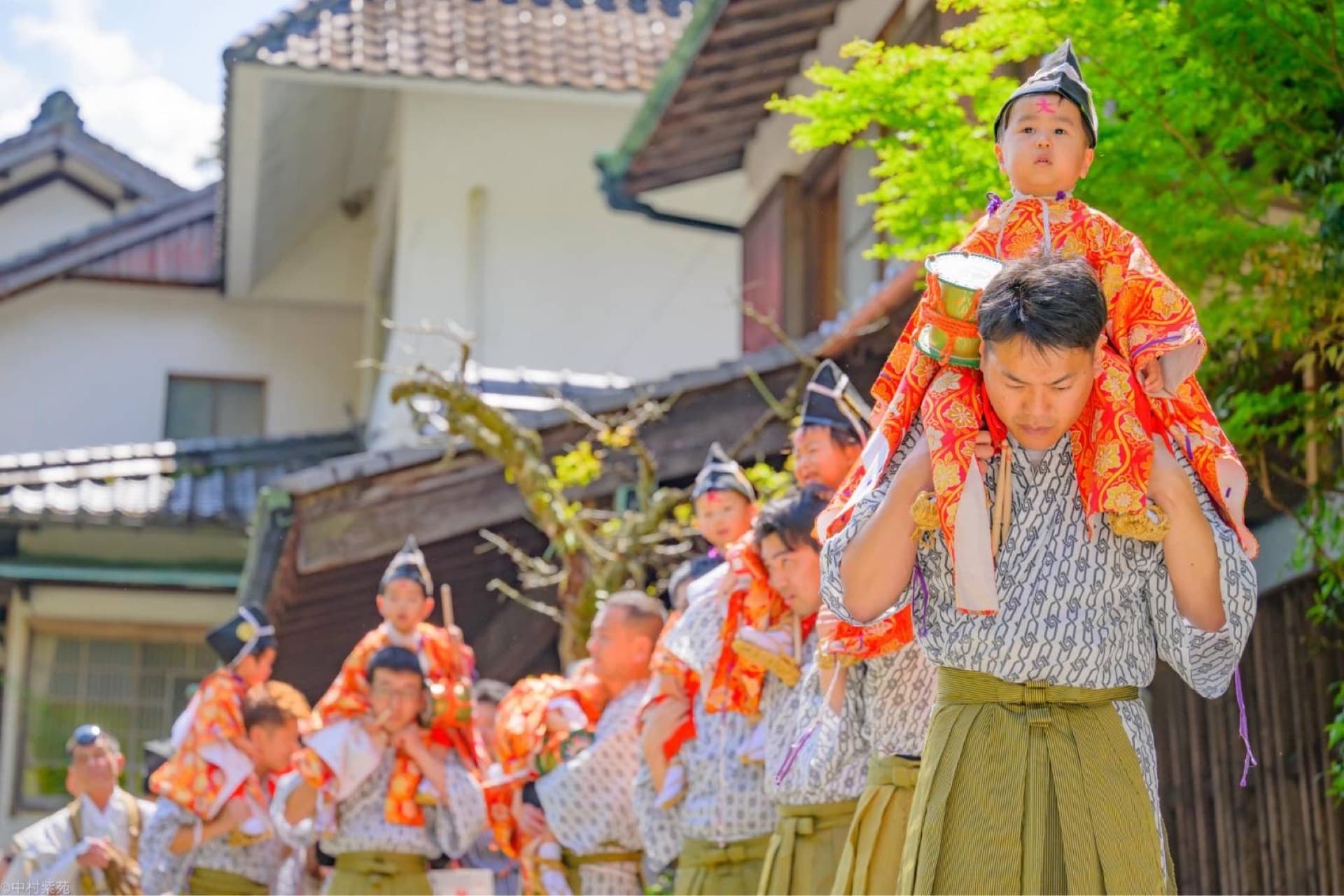
Image: 熊野本宮大社 例大祭 (via (公社)和歌山県観光連盟)


