 LOCAL FIT KUMANOBack to list
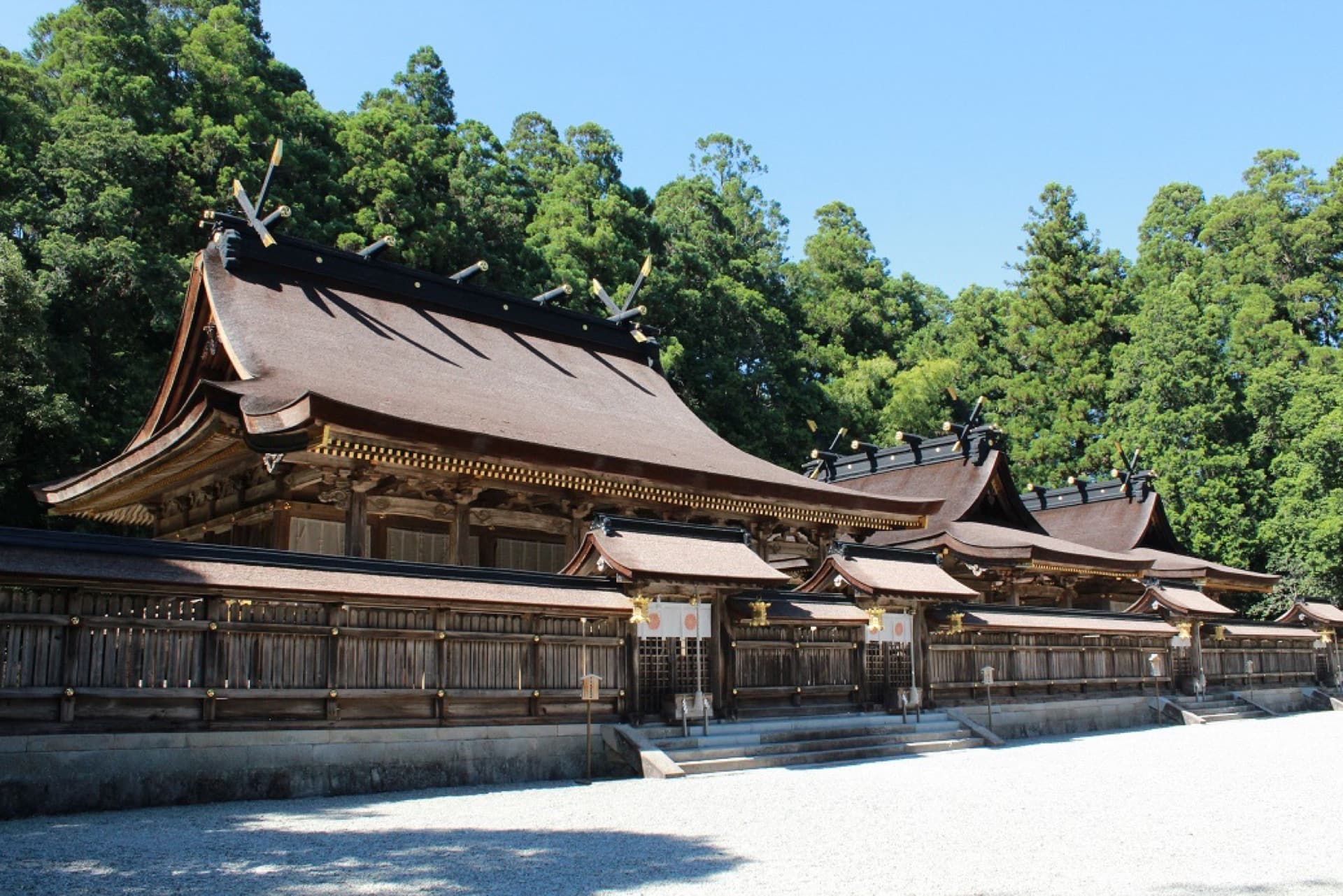
The Blessings of Kumano Hongu Taisha Begin with the Fact That 'There Is More Than One Deity'
I'm often asked, "What kind of blessings does Kumano Hongu Taisha offer?" The first thing to know is that multiple deities are enshrined within the shrine buildings at Hongu. The main deity is Ketsumimiko-no-Okami, enshrined in the Shojoden hall. Before narrowing down your wish to a single one, knowing "whose presence you are standing before" will make your visit feel much more composed.
Hongu is regarded as the head shrine of the many Kumano shrines found throughout Japan. In 2004, it was registered as part of the UNESCO World Heritage Site "Sacred Sites and Pilgrimage Routes in the Kii Mountain Range." Over its long history, people have brought here not only their wishes but also prayers for safe travel and gratitude for having arrived safely.
Don't Search Too Hard for Blessings by 'Category'
Blessings are often described in easy-to-list terms — matchmaking, health, warding off misfortune, family safety, and so on. But Kumano faith has a strong flavor of *shinbutsu-shugo*, the fusion of Shinto and Buddhism, giving it a depth that cannot be captured in a single word. The deity of Shojoden has long been worshipped in association with Amida Nyorai (Amitabha Buddha).
Among us locals, I feel that many people, before asking for anything to be granted, first offer a greeting of thanks for being able to come this far. A wish is best added quietly in your heart afterward.
How to Join Your Hands Before the Shrine
1. Compose Yourself First
After climbing the long stone steps and passing through the sacred gate, a quiet space of shrine buildings opens before you. If you are out of breath, don't rush to pray — pause for a moment and steady your breathing.
2. Begin With a 'Self-Introduction'
When praying, silently sharing your address, name, and gratitude for "being able to come here today" helps calm your mind. Then add a single, brief wish.
3. Don't Hurry From Shrine to Shrine
Since the shrine buildings stand in a row, during busy times you'll be waiting your turn. Rather than trying to pray at length before every single one, carefully offering your prayer at each one will leave a deeper impression in your memory later. If there are posted instructions or guidance on how to pray, please follow them.
How to Spend Time After Praying
Once you've finished your prayers, instead of heading straight to your next plan, try sitting down for a moment within the grounds. As you listen to the sound of the wind passing through the cedar groves, you'll notice that "what kind of feeling you brought to your prayer" lingers more than "what you wished for."
I believe that treating blessings not as "something you receive and take home" but as "the very path you walked to get here" makes for a visit that is truly in the spirit of Kumano.
Things to Check Before Visiting
- Confirm reception hours for amulets and goshuin (shrine seals), as well as the latest information about the grounds, through official sources before you go
- There are stone steps and gravel paths, so choose comfortable footwear
- If time allows, also visit Hayatama Taisha and Nachi Taisha — the other two of the Kumano Sanzan — to get a fuller picture of the Kumano pilgrimage
The blessings of Kumano Hongu Taisha lie not in the number of wishes you make, but in the quiet 'pause' as you join your hands. Next time you visit, try climbing the stone steps with the name of one deity held in your heart.
Image: 熊野本宮大社 (via (公社)和歌山県観光連盟)


