 LOCAL FIT KUMANOBack to list
From Shingu to Hongu, the Bus Isn't Just "Transport" — It's the First Half of Your Pilgrimage
Most people searching for "Kumano Hongu Taisha bus Shingu" probably want to know the bus stops and schedules first. But once you've checked the timetable, there's one more thing worth thinking about: how to spend the time you'll be on the bus.
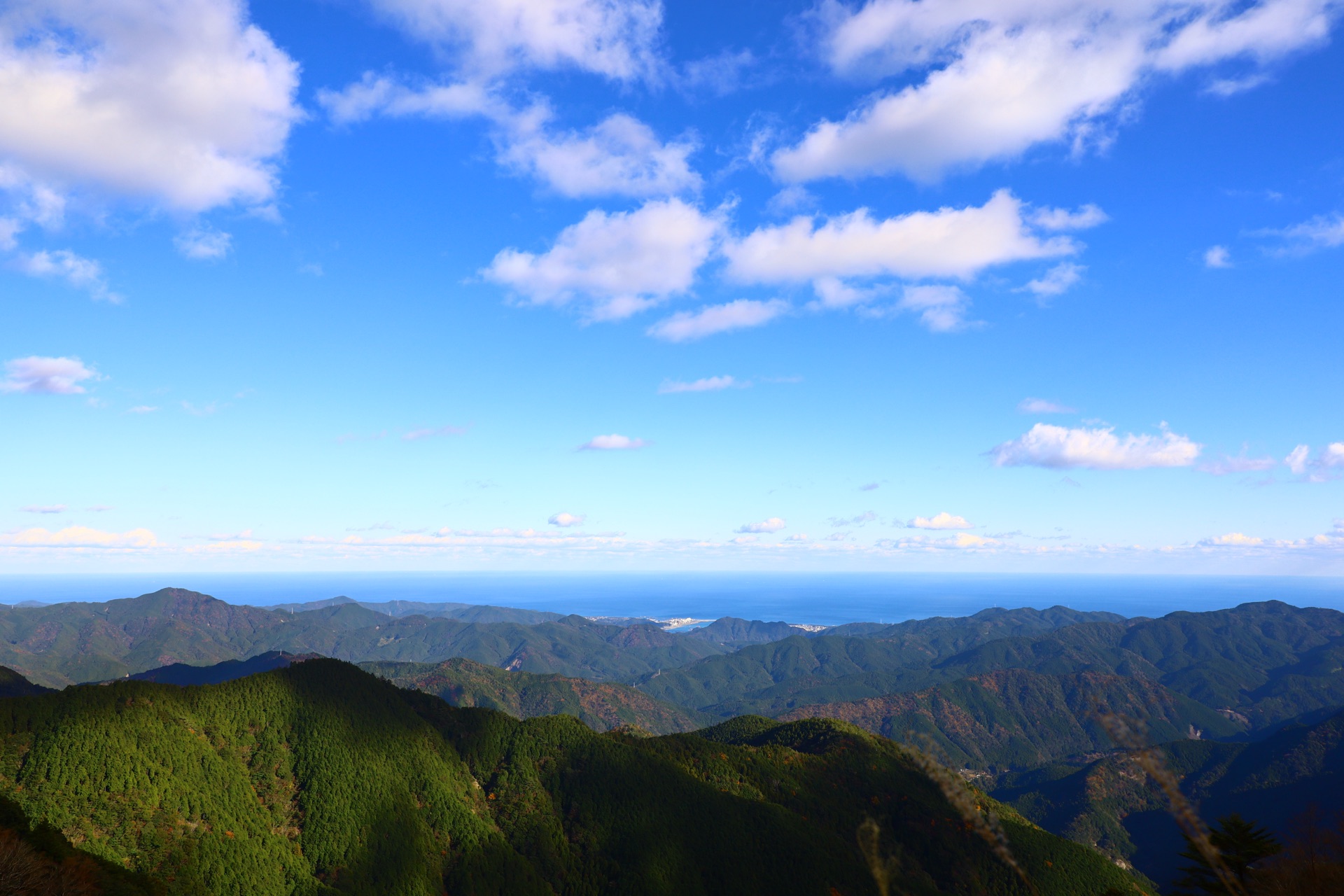
The road from Shingu to Hongu threads through the mountains, hugging the Kumano River as it goes. The way the townscape near the station gradually gives way to mountain scenery feels like a gentle warm-up that prepares your mind before the pilgrimage. From a local perspective, this view from the window is a privilege reserved for those who travel by bus.
Three Things to Sort Out Before Boarding
1. Check the Times and Boarding Point via Official Sources Just Before Departure
Rural mountain bus routes often have limited service, and schedules can change by season or revision. It's reassuring to check the latest timetable not only for the outbound trip but also for the return bus. This article won't list specific times or fares.
2. Get Ready to Relax Around Shingu Station
To avoid rushing after you arrive in Hongu, it's best to grab a drink, a light snack, and use the restroom before you depart. Even if you plan to eat after your visit, having something small to tide you over while waiting for the bus will give you more peace of mind.
3. If You're Prone to Motion Sickness, Prepare in Advance
The mountain road has one curve after another. If you get carsick easily, basic measures help: don't eat too much before boarding, avoid staring at your phone for long stretches, and fix your gaze on the distant scenery. Since the window views are the whole point, I'd encourage you to look outside rather than at a screen.
What to Enjoy from the Window
The Flow of the Kumano River
The Kumano River was once known as the "river pilgrimage route," carrying people to Hongu by boat. Just knowing you're now moving in the same direction along that same current makes your time on the bus feel a little special. The color of the water, its volume, and the depth of green on the mountains across the river change with the seasons and weather — no two views are ever the same.
The Changing Air
As you travel from Shingu near the coast inland toward Hongu, the green of the cedars and cypresses deepens, and the air often feels cooler. When you step off the bus, the scent of the mountains rising from the ground is an experience unique to this route.
Choose Your Stop Based on "Where You Want to Begin Your Visit"
The area around Hongu brings together the shrine's approach, Oyunohara (the former shrine site), and the road toward the hot springs, all within a short walking distance. Depending on which stop you get off at, you might start from the base of the stone steps, or begin by taking in Oyunohara first. Decide on your stop after checking with the driver, on-board announcements, local signage, or official information. If you're unsure, choosing a stop close to the shrine's main entrance makes things easier, especially for first-time visitors.
A Rough Flow After You Arrive
1. Once off the bus, take a deep breath. Loosen the shoulders that stiffened during the ride.
2. Walk slowly up the stone steps of the approach.
3. After your visit, if time allows, walk out to Oyunohara.
4. Work backward from the return bus time and head to the stop a little before departure.
The fewer buses that run, the more it helps to assume "if you miss one, you wait for the next" — that way you can savor the shrine grounds without rushing.
In Closing
Traveling by bus from Shingu to Kumano Hongu Taisha is a pilgrimage that includes the time spent on board. Watching the Kumano River through the window and feeling the mountain atmosphere grow richer, by the time you arrive at Hongu your mind will have naturally settled. Just be careful to check the schedule — then let yourself be carried away by the scenery outside the window.
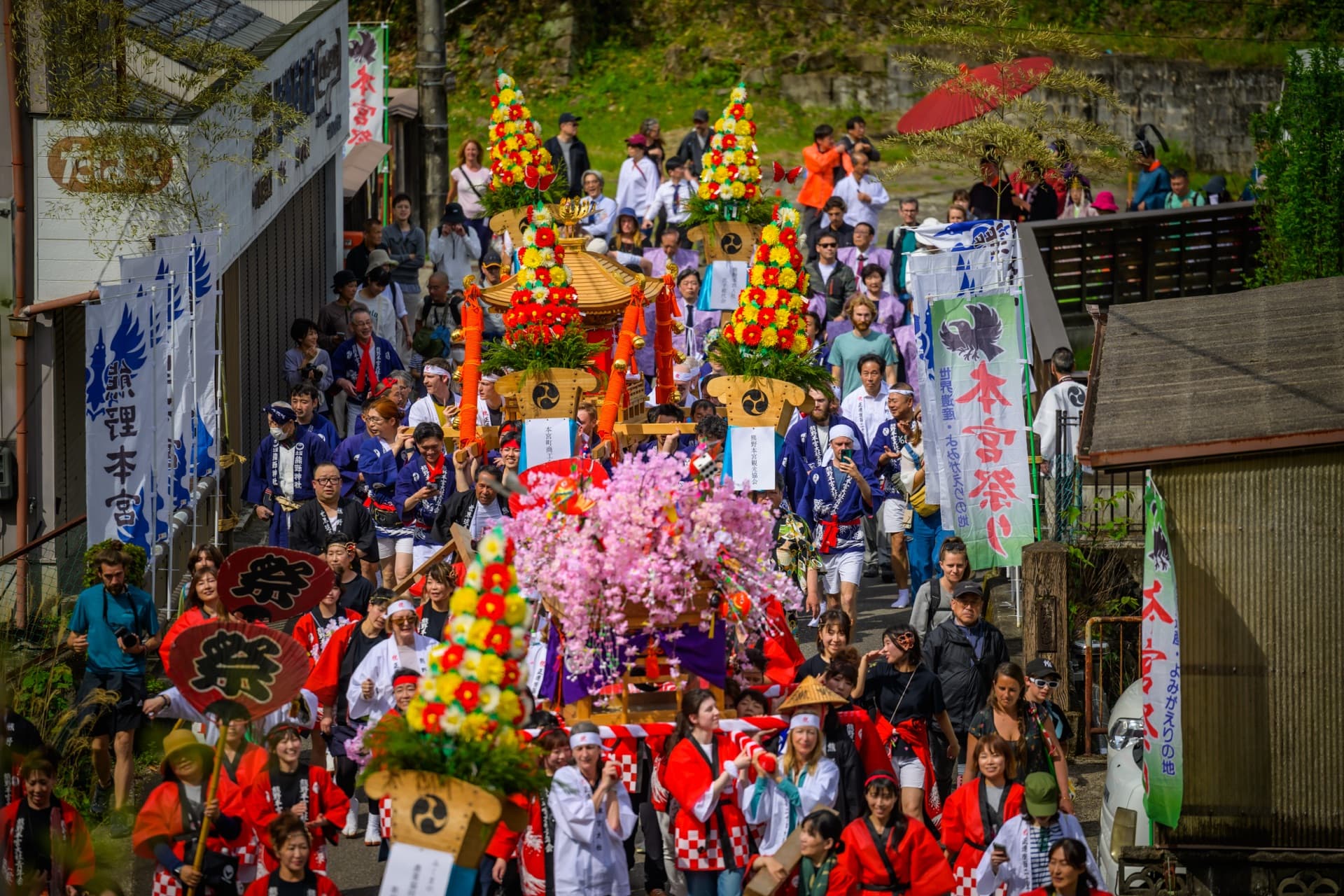
Image: 熊野本宮大社 例大祭 (via (公社)和歌山県観光連盟)