 LOCAL FIT KUMANOBack to list
Think About Access to Kumano Hongu Taisha in Terms of 'Direction'
When you search for 'Kumano Hongu Taisha access,' you'll find many bus and car routes, and it can be hard to know which suits you best.
The first thing to understand is that there is no train station in Hongu. Even if you travel by train, you'll ultimately need to transfer to a bus, car, or taxi. That's why we recommend thinking about it in terms of 'which direction you'll enter Hongu from.'
Hongu lies in the mountains of the Kii Peninsula, and there are three main gateways.
Gateway 1: Crossing the Mountains from Tanabe (Nakahechi Route)
If you're coming from Shirahama or Kii-Tanabe Station, you'll take a mountain route centered on National Route 311. Since it runs nearly parallel to the Kumano Kodo Nakahechi trail, you can experience the feeling of 'entering the land of the ancient pilgrimage.'
- The route is mostly mountain roads, and it tends to take longer than the map distance suggests
- There are few shops along the way, so it's wise to secure restrooms and drinks early
- If taking the bus, service frequency and operating days vary by season, so check in advance
This route suits those coming from the Kansai region via Shirahama, or anyone wanting to combine their visit with walking the ancient trail.
Gateway 2: Entering Along the Kumano River from Shingu
This gateway starts from Shingu Station. National Route 168 runs along the Kumano River, so you can enjoy the flowing water on your way to Hongu.
- Easy to combine with Shingu sights such as Kumano Hayatama Taisha in the same day
- Along the river, the scenery feels more open than the mountain crossing
- A convenient combination is arriving at Shingu Station by limited express, then taking a bus
For those wanting to connect all three Kumano Sanzan shrines, this is an easy-to-understand gateway.
Gateway 3: Heading South from Totsukawa / Koyasan
If you're coming from Nara or Koyasan, you'll take a long journey south along National Route 168. The valley scenery continues the whole way, which can be tiring for both drivers and passengers.
- Build in rest stops and plan with plenty of time to spare
- Avoid mountain roads at night or in bad weather, and aim to arrive while it's still light
- Check road information for closures before departing
When Making Many Transfers, Use the Bus Stop Name as a Landmark
If you're using public transportation, it's useful to remember the bus stop name 'Hongu Taisha-mae' as your destination. It's the landmark closest to the shrine entrance and comes in handy when checking transfers and directions. Always confirm timetables with the latest information from the operating company.
Be Ready to Walk a Little After You Arrive
Even after arriving at Hongu, you'll climb the stone steps of the approach to reach the main shrine. Comfortable walking shoes are a good idea. If you have time to spare, we also recommend extending your visit to nearby Oyunohara.
Summary: The Journey Is Part of the Trip
Access to Kumano Hongu Taisha brings completely different scenery depending on whether you cross mountains, follow a river, or descend a valley. Rather than focusing only on arriving quickly, choose the gateway that best fits your trip's starting point. A relaxed travel plan will make your quiet time at Hongu feel even more rewarding.
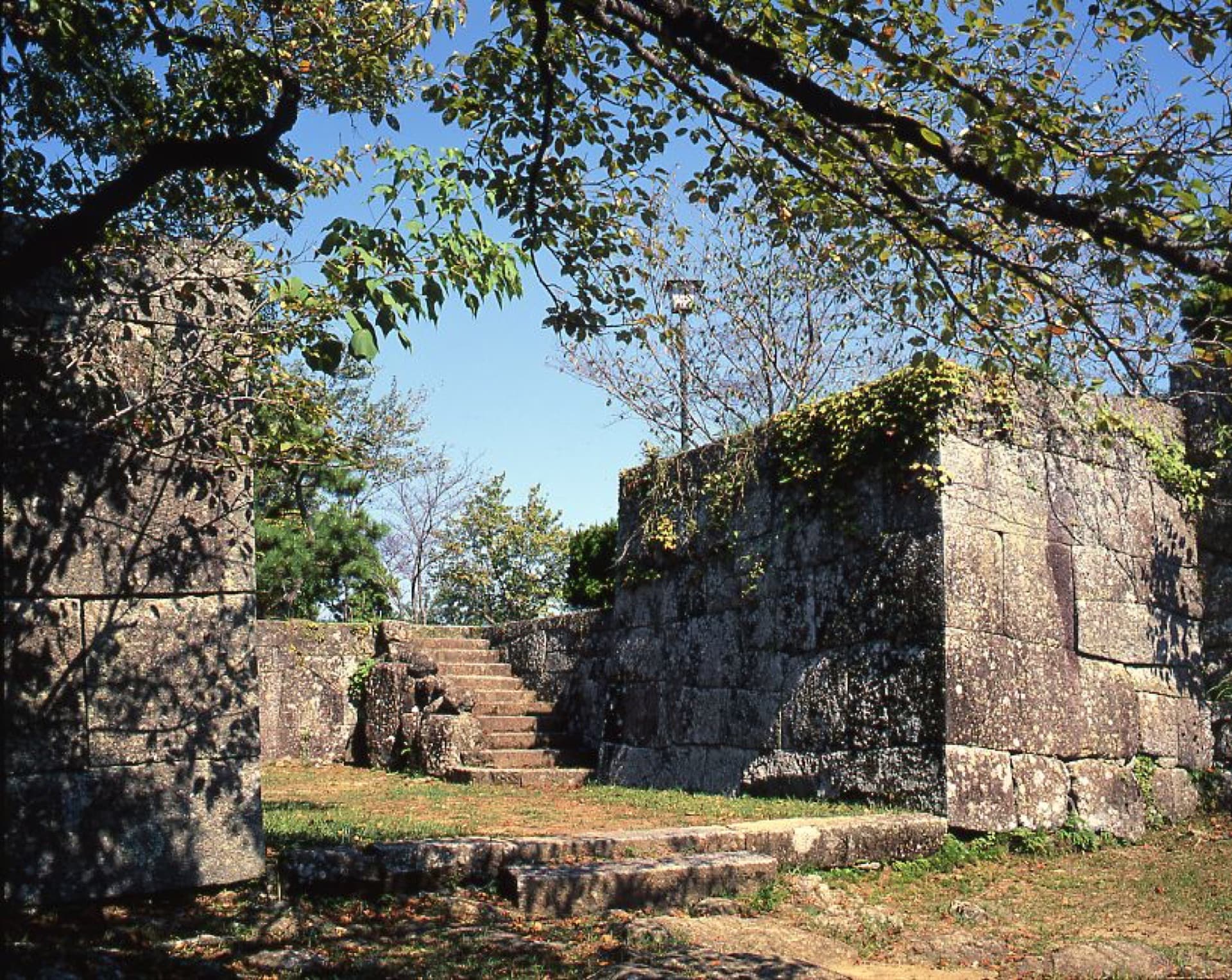
Image: 新宮城跡 (via (公社)和歌山県観光連盟)