 LOCAL FIT KUMANOBack to list
The Appeal of Combining Koyasan and Kumano in One Trip
More and more travelers are searching for ways to combine Koyasan and Kumano into a single trip. Both are leading sacred sites of the "Sacred Sites and Pilgrimage Routes in the Kii Mountain Range," registered as a UNESCO World Heritage Site in 2004, and they lie in the same mountainous Kii Peninsula.
The two have slightly different personalities. Koyasan is a mountain of prayer opened by Kobo Daishi (Kukai), where experiences such as the cedar-lined Okunoin and morning prayers at temple lodgings (shukubo) offer a "stillness" that straightens your back. Kumano, where Shinto and Buddhist traditions overlap, is a land of ancient paths, waterfalls, rivers, and hot springs — a journey of "unwinding" as you surrender yourself to nature.
Visiting them in succession creates a flow from composing your spirit to gently letting it loose.
The Recommended Order: Koyasan First, Then Kumano
You can travel in either direction, but our editorial team recommends starting with Koyasan and finishing in Kumano.
- Mornings at Koyasan's temple lodgings begin early, setting a focused tone from day one of your trip
- Kumano has Yunomine Onsen and Kawayu Onsen, where you can wash away travel fatigue in the hot springs at the end
- Kumano's sights are spread across a wide area, so leaving it for last makes it easier to allow extra time
That said, return transportation or lodging availability may lead you to reverse the order. Choose whichever is easier for you.
How to Travel Between Them: Three Approaches
1. Drive the Mountain Route
The common route from Koyasan to Kumano Hongu passes through Totsukawa Village. The scenery is beautiful, but the winding mountain roads take longer than the distance suggests. Some travelers stay overnight at Totsukawa Onsen on the way, treating the travel day itself as part of the journey. Be sure to check weather and road conditions in advance.
2. Take the Long Way Around by Public Transport
Since there are few direct connections through the mountains, you'll typically need to head out to the lowlands and then string together trains and buses. Expect a day's travel to take at least half a day, and allow plenty of time between connections. Service is limited, so always confirm the latest schedules.
3. Walk the Kohechi Trail
The Kohechi is the pilgrimage route that connects Koyasan and Kumano Hongu. It stretches about 70 km and crosses several high passes — a challenging route for experienced hikers that requires a multi-day itinerary, proper gear, and advance lodging reservations. First-time visitors may want to see the two sites separately and save the Kohechi as a dream walk for a future trip.
Suggested Itineraries
- 3 days / 2 nights: One night at Koyasan, one night near Kumano Hongu. Build the schedule around travel days, and resist the urge to cram in sights — focusing on a single destination like "Hongu Taisha and a hot spring" will give you breathing room.
- 4 days / 3 nights: One night at Koyasan, one night in a mountain village or Totsukawa along the way, and one night in Kumano. You'll have time to venture out to Nachi or Shingu.
Tips on Clothing and What to Bring
Koyasan sits at a high elevation and can feel cooler than Kumano's coast or hot spring areas. Pack easy-to-layer clothing and comfortable walking shoes that handle stone pavement and gravel paths. Rain gear, small change, and a portable charger are also reassuring to have. Mobile signals can be weak in the mountains, so saving maps offline in advance will give you peace of mind.
In Closing
A combined Koyasan and Kumano trip is a journey that moves from "the stillness of prayer" to "the waters of renewal." The main attraction is the flow of time itself — including the travel in between — and the biggest tip is simply not to overpack your schedule. Cross the mountain and river paths slowly, and savor the deep heart of the Kii Peninsula.
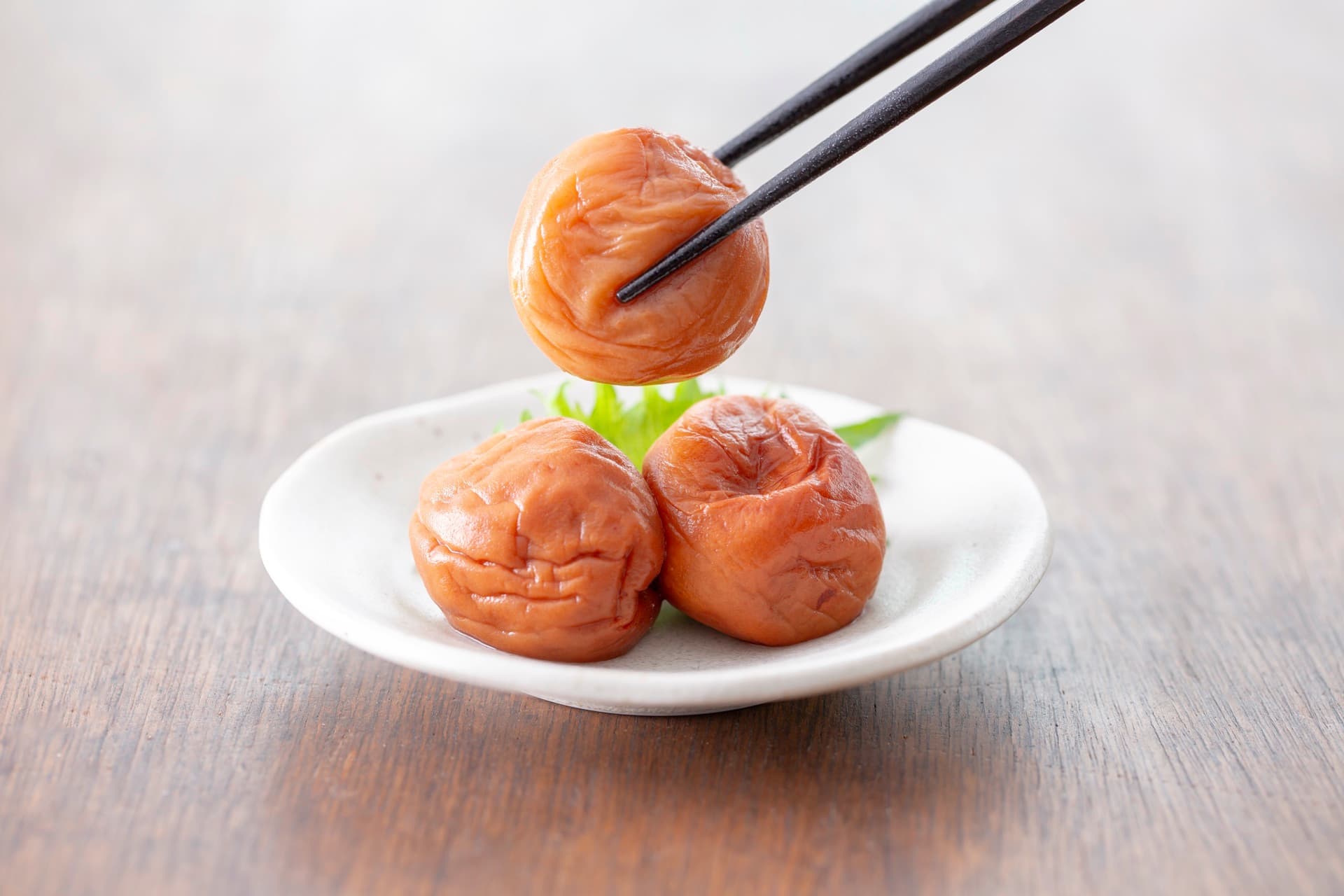
Image: 梅干し (via (公社)和歌山県観光連盟)