 LOCAL FIT KUMANOBack to list
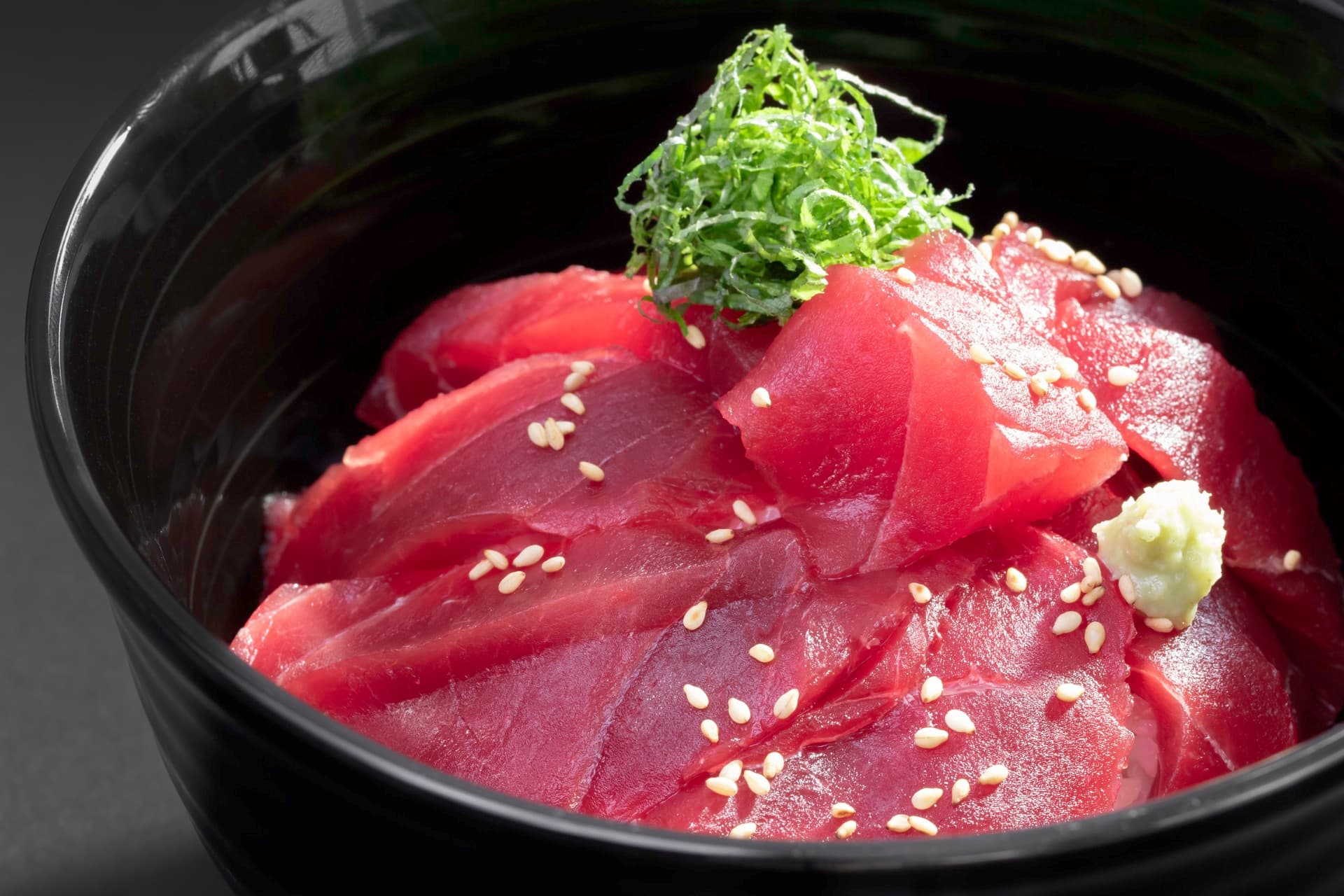
An Invitation to Enjoy Tuna Cuisine at a Katsuura Ryokan
Nachi-Katsuura, in the Kumano region, is well known as a tuna port town. Strolling around during the day sampling rice bowls and set meals is a delight in itself, but to cap off your journey, we recommend slowly savoring tuna cuisine at a ryokan dinner.
If you've searched for lodging with keywords like "Katsuura ryokan tuna cuisine," you'll have noticed that the dishes offered can vary considerably from plan to plan. Here, we've organized perspectives that will help you choose more easily before deciding on a ryokan.
The Variety of Tuna Dishes You'll Encounter at Ryokan Dinners
More Than Just Sashimi — The Many Faces of Tuna
When you hear "tuna cuisine," sashimi might come to mind first, but at a ryokan's kaiseki dinner, tuna may appear in forms such as:
- Sashimi and tsukuri: An assortment centered on red meat, letting you enjoy the differences between cuts
- Zuke and nigiri: Dishes where soy-based marinade harmonizes with the flavor of tuna
- Simmered dishes and kakuni: Cuts like cheek meat or kama (collar) slowly simmered to draw out umami
- Fried and grilled dishes: Hearty plates such as tatsuta-age or tuna steak
- Shabu-shabu and hot pot: Thinly sliced tuna briefly warmed in broth
- A finishing bowl of tuna ochazuke or donburi: A light way to round off the meal
Of course, not every one of these will appear — the lineup depends on the ryokan and the plan. If there's a dish you're particularly interested in, it's reassuring to check in advance.
The Differences Between Cuts Are Part of the Fun
Even within the same tuna, each cut has its own character: red meat (akami) is clean yet robust, toro offers the sweetness of fat, and cheek meat or kama release deeper umami the more you chew. An assortment that lets you compare different cuts is a luxury unique to a ryokan stay.
5 Things to Check Before Booking
1. The plan's menu content: Is tuna the star of the plan, or does it appear as one item within a kaiseki course?
2. Type of tuna and how it's served: Some ryokan pride themselves on fresh (non-frozen) tuna — check their introduction pages
3. Dinner location and time: Is it served in your room or in a dining area, and what time does dinner start?
4. Accommodation for allergies or dislikes: If someone in your party isn't fond of raw fish, consult the ryokan in advance
5. Breakfast content: Whether breakfast includes seafood or a tuna dish is another thing to look forward to
Enjoying the Evening in True Port-Town Style
Make Dinner a "Feast" Moment
On a day when you've enjoyed rice bowls and market flavors at lunchtime, spend the evening relaxing at your ryokan. Pairing the dinner with local sake or small dishes featuring Kumano ingredients is a pleasure that fits a port-town journey perfectly.
A Seamless Flow from Bath to Meal
Katsuura is also an onsen town. Soak in the hot spring upon arrival, then head to dinner in your yukata, and settle in to rest afterward — this flow is one of the great appeals of staying at a ryokan. Since a late check-in can affect dinner timing, leave plenty of room in your travel schedule.
Ryokan Dinner vs. Dining Out — How to Choose?
- Dining at the ryokan: No need to travel, and you can enjoy tuna cuisine as a full course
- Dining out: Enjoy local fish casually at town eateries or izakaya
If your trip is short, one option is to have dinner at the ryokan for one night and dine out the next. Even with the same tuna, experiencing it in different ways will enrich your travel memories.
Summary
When enjoying tuna cuisine at a Katsuura ryokan, the key is to consider the menu content, dinner timing, and even breakfast when making your choice. Prices and detailed menu offerings vary by season and ryokan, so please check each inn's official information for the latest details. Take your time and savor an evening in this port town to your heart's content.
Image: マグロ丼 (via (公社)和歌山県観光連盟)


