 LOCAL FIT KUMANOBack to list
For Those Searching 'Hongu Temperature Now'
Many people check 'What's the temperature in Hongu right now?' before heading to Kumano Hongu Taisha, or on the morning of a walk along the ancient trails.
This article won't give you real-time numbers. Instead, it brings together how to check the current temperature yourself and how to interpret those numbers for a place like Hongu.
3 Ways to Check the Current Temperature
1. Narrow Down the Location in a Weather App
Rather than looking at 'Wakayama Prefecture' or 'Tanabe City' as a whole, choose an app that lets you specify Hongu-cho (the area around Kumano Hongu). The Kii Peninsula has deep mountains, and the weather varies from place to place even within the same city.
2. Check Observation Data from the Japan Meteorological Agency
The JMA website lets you check live readings from the nearest observation station. It's reliable when you want to know the 'current actual value' rather than a 'forecast.' Station names and availability can change, so it's a good idea to confirm once before departure.
3. Look at the Sky and Feel the Wind on Site
Numbers are just a guide. Mist rising from the river, the chill of the wind, and the movement of clouds are all important information too.
A Local's Perspective on Reading Hongu's Temperature
Think of It as Different Weather from the Coastal Towns
When people hear 'Kumano,' they tend to picture a mild seaside, but Hongu is an inland valley surrounded by mountains. If you simply apply the temperatures of Shingu, Nachikatsuura, or Shirahama, the actual feel may not match.
Watch Out for the Gap Between Morning/Evening and Midday
In valleys, the air tends to be chilly in the morning before the sun comes up, and during the day the feel can change dramatically between sun and shade. We often hear things like, 'I only checked the midday number and dressed lightly, but it was chilly in the morning and evening.' Check the forecast for both your departure and return times.
A Cedar Grove and an Open Space Are Different Worlds
The ancient trails run through the shade of cedar and cypress, so they tend to feel cooler even at the same temperature. On the other hand, in open places like Oyunohara, you take the full brunt of the sun and wind.
How to Decide What to Wear Based on the Numbers
For specific clothing, you won't go wrong if you think about it by season as a guide.
- Spring and Autumn: Bring a layer to prepare for mornings and evenings. You'll warm up as you walk, so layered clothing that's easy to put on and take off is key.
- Summer: Days are hot and humidity tends to be high. Prioritize moisture-wicking fabrics, a hat, and staying hydrated.
- Winter: Keep the valley chill in mind. For warm clothing, you'll feel safer bringing gloves and something to cover your neck as well.
For walking tips by season, please also refer to our other article, 'When Is the Best Time to Walk the Kumano Kodo?'
Final Pre-Departure Checklist
1. Check the weather and temperature for Hongu-cho twice: in the morning and just before departure
2. Look not only at temperature, but also at whether it will rain and the wind
3. Check the forecast temperature for your return time as well
4. Pack a layer you can put on or take off in an easy-to-reach spot in your backpack
In Closing
Hongu's temperature becomes much more useful when you read it together with the character of the land — a 'mountain valley' — rather than just the numbers. Once you've checked the current temperature, feel the air and enjoy your slow Kumano time.
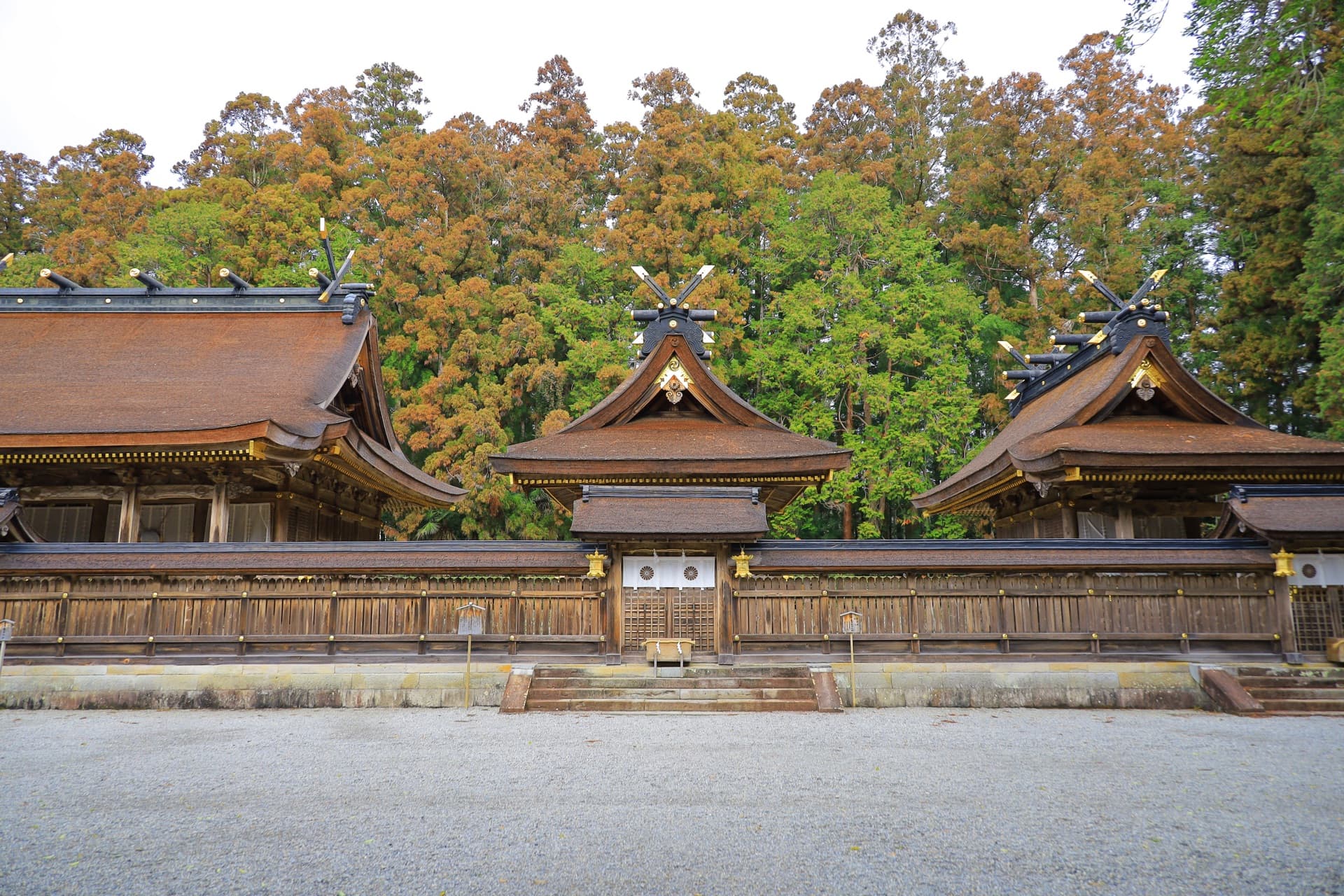
Image: 熊野本宮大社 (via (公社)和歌山県観光連盟)


