 LOCAL FIT KUMANOBack to list
Planning the Chikatsuyu-oji to Tsugizakura-oji Walk by Working Backward from the End Point
On the Kumano Kodo Nakahechi route, the section connecting Chikatsuyu-oji to Tsugizakura-oji is a popular one. While the villages and waterside scenery along the way are often introduced, this article takes a different angle: we build the day around what to look at when you arrive at Tsugizakura-oji, the goal.
The highlight is the "Ippo-sugi" (one-sided cedars) that stand within the shrine grounds. Whether you treat this spot as a place to "snap a photo and move on" or as a "place to engage with, knowing how to look," the lingering impression of your day's walk will differ greatly.
Chikatsuyu-oji: A Place to Take a Deep Breath Before Setting Off
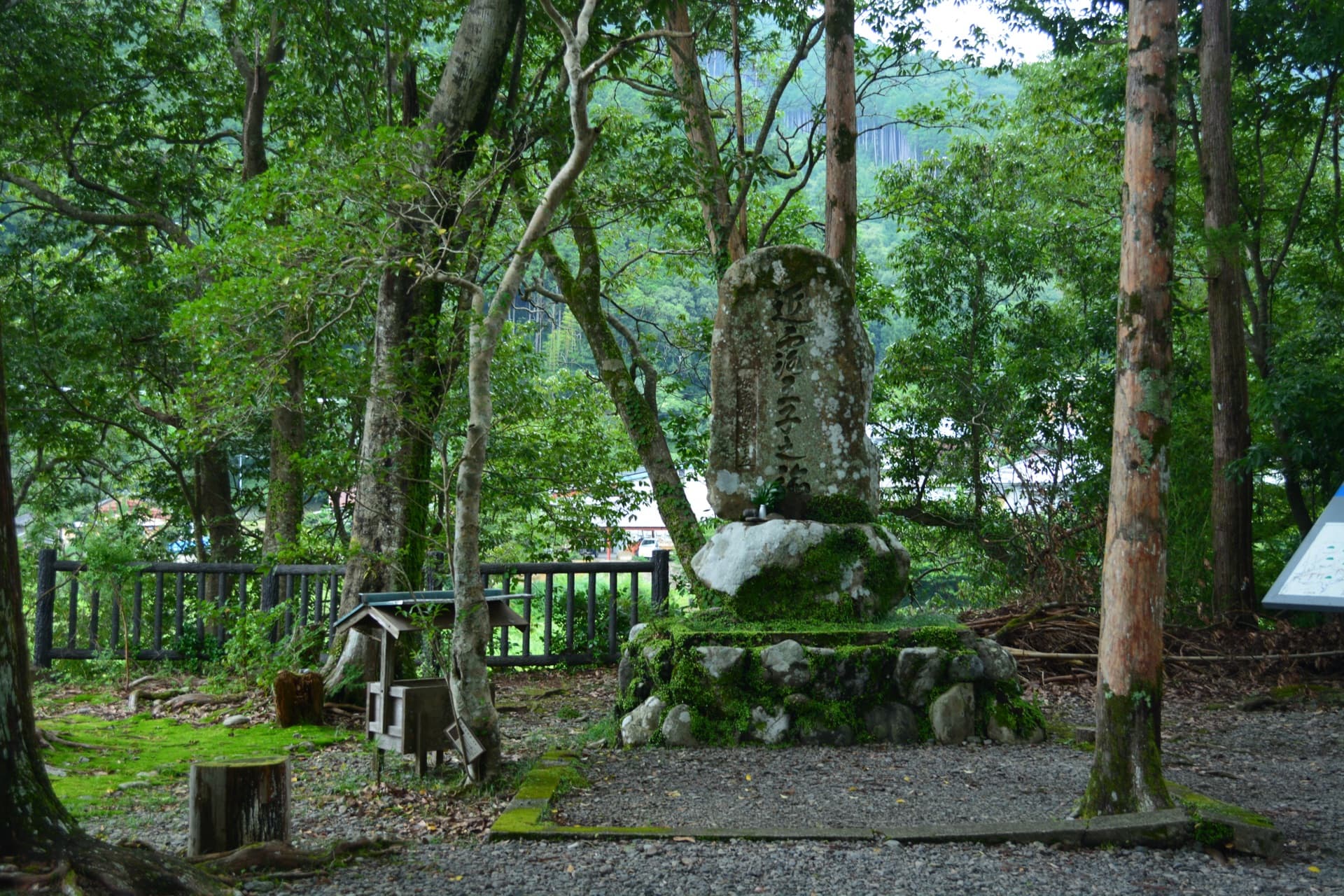
Chikatsuyu-oji is a quiet oji shrine in a corner of the Chikatsuyu village. An "oji" is one of the small shrines dedicated to the Kumano Gongen deities, scattered along the pilgrimage routes to Kumano. They served as "waypoints on the road" where pilgrims pressed their hands together in prayer as they walked.
Here, don't rush to set off. First, place your hands together and settle your breathing. The charm of this section is how easy it is to feel, as you walk, that "the road I'm on now was a road of faith." Treat it as a departure ritual and pause here, just briefly.
What Are the Ippo-sugi Cedars of Tsugizakura-oji?
Within the grounds of Tsugizakura-oji, a row of enormous cedar trees stands tall. These are the giant trees known as the "Nonaka no Ippo-sugi" (the one-sided cedars of Nonaka).
Their distinctive feature is, as the name suggests, that their branches extend in only one direction. For generations it has been said that they stretch their branches toward Kumano Hongu. From the way they seem to reach out as if in prayer toward Hongu, the cedars themselves have long been understood as if making a pilgrimage.
Three Tips for Taking Them In
- First, look up from the base of the trunk: Let your body take in the sheer thickness and height before anything else.
- Look for the direction the branches extend: Follow with your eyes from the ground up to see which way the branches reach.
- Then step back and view the whole: After drawing close, step back and you'll notice how the flow of the branches aligns.
There are various theories about the origin of the name and the legends surrounding the cedars, so it's a good idea to read the on-site information boards and let your imagination wander through the stories.
The "Empty Time" After Walking Is the Real Feast
Once you reach Tsugizakura-oji, don't rush off to the next item on your itinerary. Take a seat on a bench or in the shade of the trees in front of the giant cedars and spend some time looking back on the road you've walked. Just as the fatigue in your legs begins to ease, the sound of the wind passing through the cedar branches will quietly reach your ears.
The direction you walk, the length of the section, and your return transportation can change with the season and service conditions. Check the latest information before you set out, and plan with plenty of time to spare for peace of mind.
Summary
The path from Chikatsuyu-oji to Tsugizakura-oji is a storied section where the oji at the start and the giant trees at the end answer one another. Simply walking with the single clue of "the direction of the branches" brings the Kumano Kodo much closer to you. On your next Nakahechi walk, be sure to look up slowly in front of the cedars at the end of the trail.
Image: 熊野古道中辺路 近露王子 (via (公社)和歌山県観光連盟)


