 LOCAL FIT KUMANOBack to list
Yunomine Onsen: A Small Hot Spring Village You Can Explore on Foot
Tucked into a valley in the mountains beyond Kumano Hongu Taisha, Yunomine Onsen is a tiny hot spring town where inns and public bathhouses huddle together along a small river, with white steam rising from alleyways here and there — a scene that feels somehow nostalgic.
Since ancient times, Yunomine has been known as a place of *yugori* (ritual purification by hot water) for Kumano pilgrims, who would cleanse themselves here before heading to Hongu. Known as the "hot spring of rebirth," it even appears in the legend of Oguri Hangan, and still carries a quiet sense of the prayer that defines the Kumano region.
The village is short enough to walk from end to end. That's exactly why a half-day spent unhurried, catching the steam, sounds, and scents as you go, suits it so well.
A Suggested Walking Order
1. Start at Yuzutsu by the River to See How Hot the Water Really Is
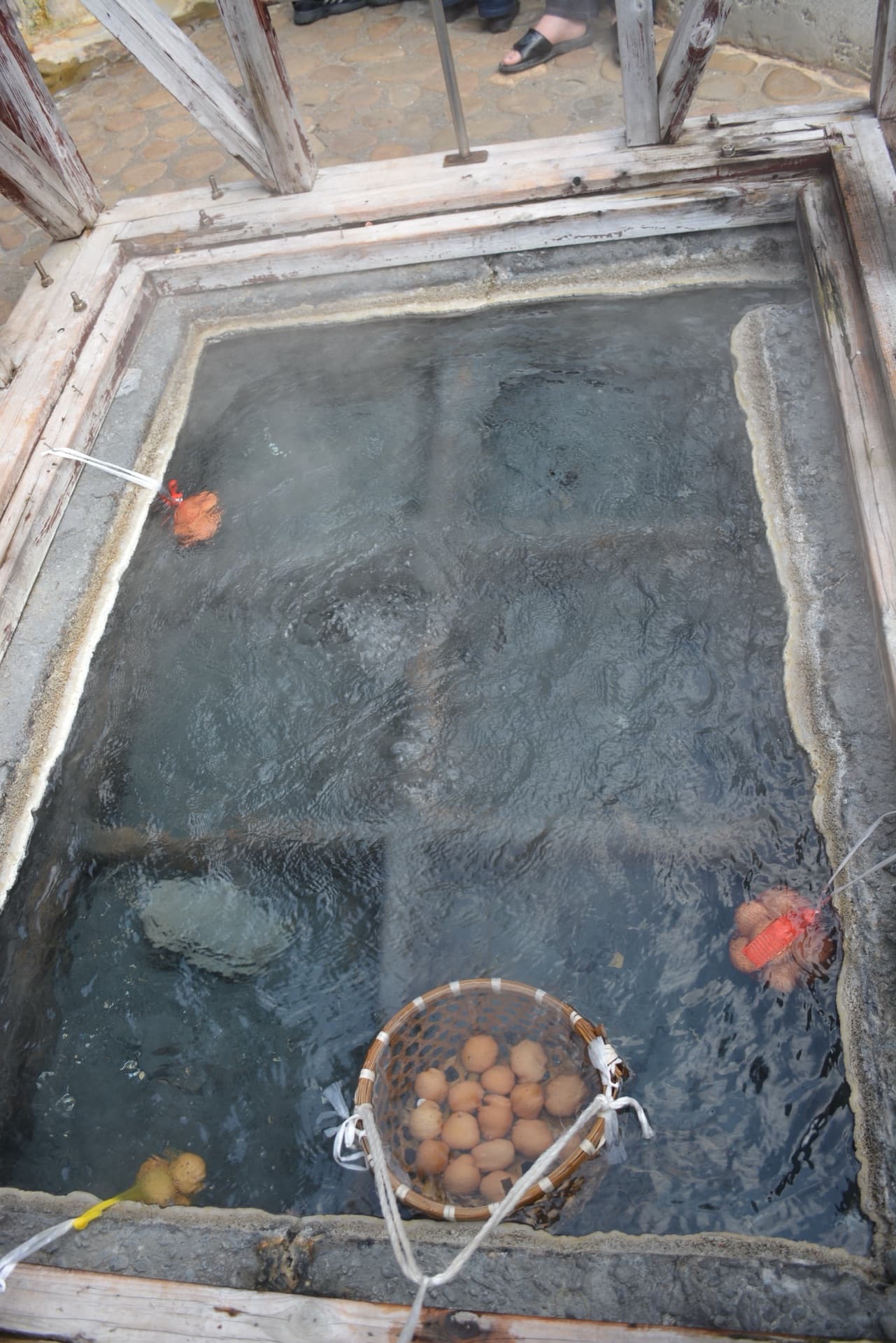
The first stop is Yuzutsu, a hot spring vent beside the river. The rising steam and distinctive sulfur scent make it clear just how hot the water bubbling up from the ground really is. Locals have long enjoyed boiling vegetables and eggs here.
Encountering a use for hot spring water beyond bathing is one of this town's unique charms. That said, the water is extremely hot, and great care is needed to avoid burns. If you're traveling with small children, always hold their hands and keep them from getting too close.
2. Listen to the Hot Spring's Origins at Tokoji Temple
In one corner of the town stands Tokoji, a temple enshrining Yakushi Nyorai (the Medicine Buddha) connected to Yunomine's waters. Step onto the temple grounds and the bustle of the hot spring village fades away, bringing you a little closer to the legend of Oguri Hangan and the quiet presence of those healed by the waters here. Try weaving a moment of silent prayer into your stroll.
3. Experience the Small Rock Bath of Tsuboyu
The symbol of Yunomine is Tsuboyu, which is also registered as part of the UNESCO World Heritage site. It's a small rock bath that fits just one person or a few, and the color of the water is said to change throughout the day — the water itself becomes the main attraction.
Since usage rules, waiting times, and fees may change depending on the season and circumstances, be sure to check with the hot spring town's information center or official tourism sources before visiting.
A Few Small Tips for Your Walk
- Footing: Stone pavement and damp alleyways can be slippery, so wear comfortable walking shoes.
- Scent and steam: The sulfur smell can linger on clothes and hair.
- Valuables and towels: If you plan to bathe, packing a towel and coin purse in a small bag keeps you light on your feet.
- Hydration: Drink more water than usual before and after soaking in the hot water.
Pair It With a Visit to Kumano Hongu
Combining Yunomine with a visit to Hongu Taisha or the Kumano Kodo (Nakahechi route) before or after makes for a quintessential Kumano day of "walking, worshiping, and warming up." Unlike the bustle of major tourist spots, the time here passes quietly amid the steam. Come and visit as though pausing to take a breath.
*Please note that operating hours, fees, and usage rules are subject to change. Check with local or official sources for the latest information.*
Image: 湯の峰温泉 湯筒 (via (公社)和歌山県観光連盟)


