 LOCAL FIT KUMANOBack to list
A Small Hot Spring Town in the Valley: Welcome to Yunomine
Just a short way into the mountains from Kumano Hongu Taisha lies Yunomine Onsen. Inns and public bathhouses huddle together along a narrow valley by the river, and white plumes of steam rise here and there throughout the town.
When you hear "hot spring town," you might picture large bathhouses, but Yunomine is a place better suited to "picking up the presence of the hot springs on foot." Once you park your car, don't hole up in your inn right away—take a slow stroll around the town first.
Start Your Walk with Scent and Sound
As you descend into the valley, the scent of sulfur gently reaches you first. Next come the sounds of the small river babbling and the footsteps of people walking the stone steps and alleyways.
Along the river that flows through the center of town, you may notice white streaks that look like deposits of hot spring minerals. It may not be a flashy landscape, but Yunomine's charm is the way your body senses that "this is a place where hot water springs forth."
Even Just Viewing Tsubo-yu from Outside Is Worthwhile
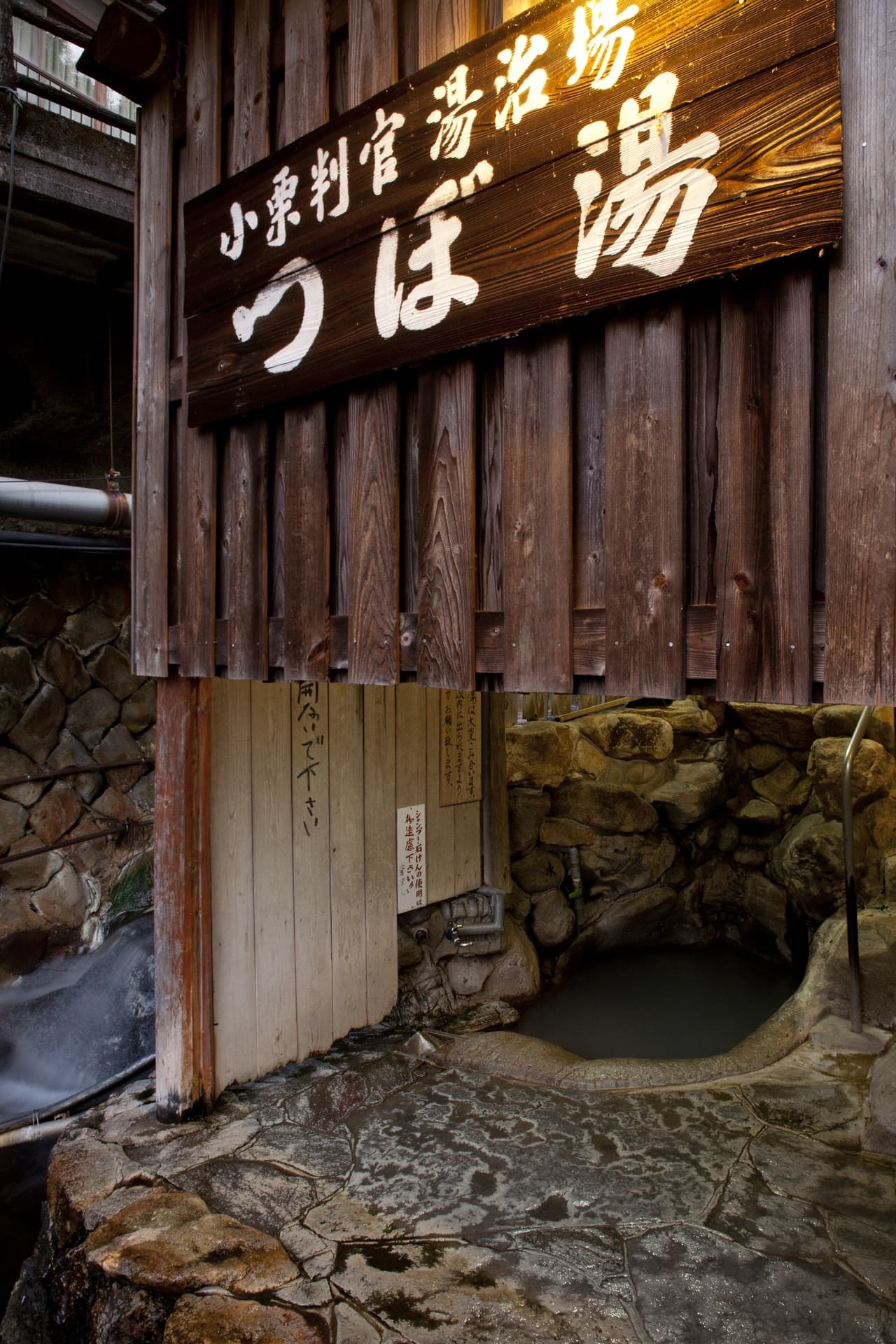
Yunomine's iconic symbol is Tsubo-yu, a small rock bath on the riverbank. Known as part of the UNESCO World Heritage site "Sacred Sites and Pilgrimage Routes in the Kii Mountain Range," it's said to be a rare example of a hot spring with such status.
Inside a tiny hut sits a single rock bathtub filled with hot water. Since the bathing rules, fees, and crowd levels vary by season, it's reassuring to check the latest information at the tourist office before your visit. Even if you don't bathe, just taking in the appearance of the hut and the surrounding atmosphere conveys how dearly this spring has been cherished over the ages.
The water is also said to change color several times a day, so peeking in to see "what color is it now?" is one of the little pleasures.
Time at the Yu-zutsu and "Yugaki"
Near the river is the Yu-zutsu, where the hot spring source bubbles up. This is a signature scene of Kumano's hot spring towns, and locals have long enjoyed a culture of "yugaki"—using the heat of the spring to cook food. Dipping eggs or sweet potatoes into the hot water makes for a perfect little detour during your trip.
Near the scalding water, be sure to keep a close eye on small children, and watch your footing, as wet surfaces can be slippery.
Paying Respects to Yakushi-sama
Near the town stands Tokoji Temple, which enshrines Yakushi Nyorai (the Medicine Buddha) as if watching over the hot springs. In Kumano, hot springs have long been tied to faith as blessings that heal illness and fatigue.
Legend has it that pilgrims walking the Kumano Kodo would purify themselves here before heading on to Hongu. If you pause mid-stroll to quietly offer a prayer, the way you see the hot springs may shift slightly.
A One-Hour Model Before Check-In
- First 15 minutes: Walk along the river and get used to the steam and scent
- Next 20 minutes: View the exterior of Tsubo-yu and stroll around the Yu-zutsu
- Last 25 minutes: Offer a prayer at Tokoji Temple, then rest at a foot bath or break spot
After that, all that's left is to soak slowly in your inn's bath. After bathing, be sure to hydrate well, and mind your footing—the roads get dark at night.
A Note from the Editors
Yunomine isn't a place for ticking off many sights, but rather a place to immerse yourself quietly in the presence of the hot springs. Build it into your itinerary before or after walking the old pilgrimage trails, and the pace of your trip will naturally slow, revealing Kumano's "healing face." Specific conditions for bathing and experiences may change, so please confirm before you head out.
Image: 湯の峰温泉 つぼ湯 (via (公社)和歌山県観光連盟)


