 LOCAL FIT KUMANOBack to list
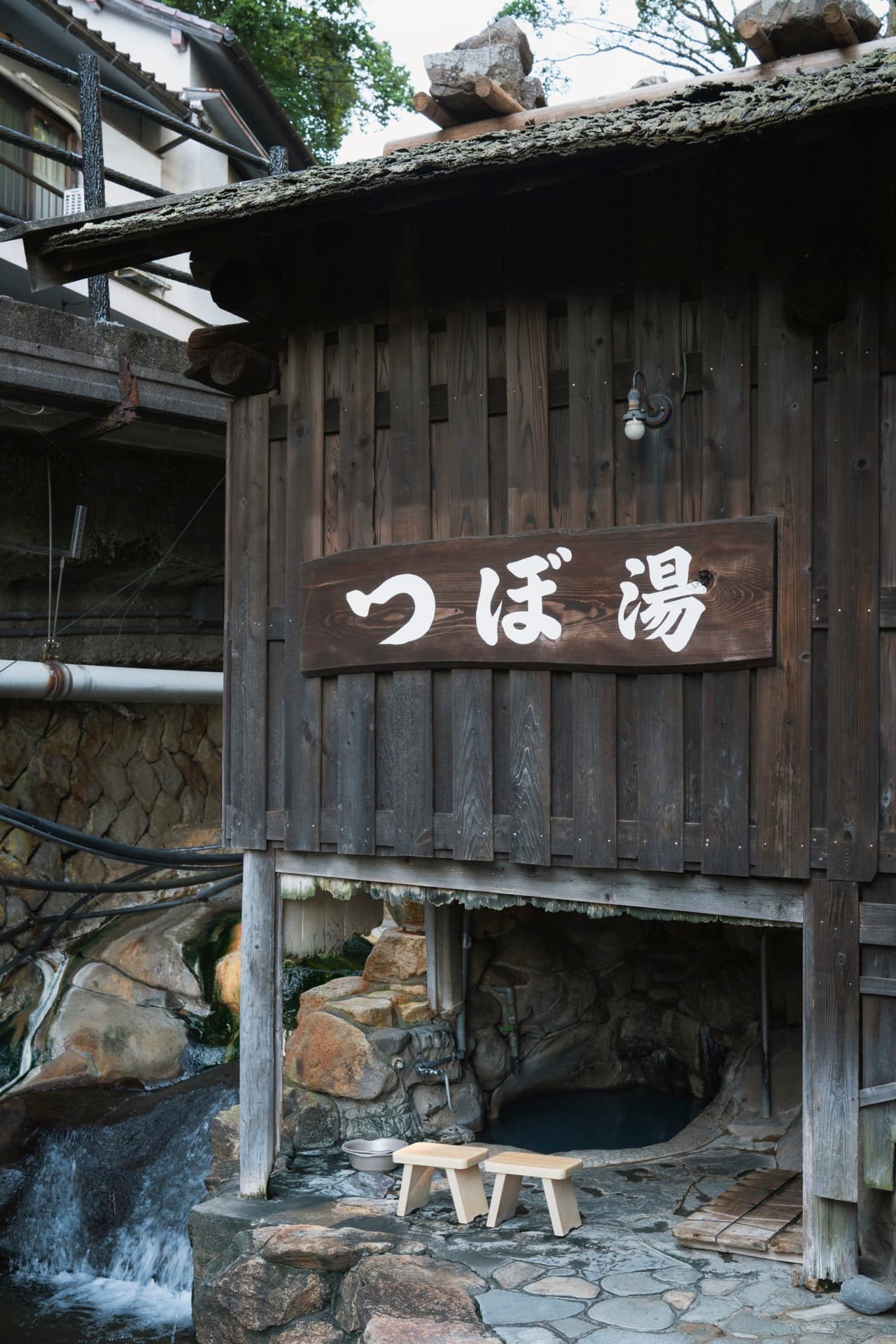
Yunomine Onsen: A Hot Spring for Preparing for Pilgrimage
Tucked into a mountain valley in Hongu-cho, Tanabe City, Yunomine Onsen is said to have been discovered around 1,800 years ago, making it one of the oldest hot springs in Japan. The sight of steam rising from the small valley still carries the quiet atmosphere of an old therapeutic bathing village.
The key to understanding this onsen's history lies in the practice of "yugori" — ritual purification by hot water. Pilgrims heading to Kumano would bathe here before visiting Hongu, cleansing their bodies and composing their minds. Long before it became a tourist destination, Yunomine was a place that formed part of the pilgrimage itself.
Its Connection to World Heritage
Registered in 2004, the World Heritage site "Sacred Sites and Pilgrimage Routes in the Kii Mountain Range" brings together shrines, temples, and ancient routes as a single living tradition of faith. Yunomine is described as a hot spring village situated within the flow of pilgrimage leading to Kumano Hongu Taisha. The fact that the hot spring lies as an extension of the sacred path is part of what makes Kumano so unique.
Since the registered areas and visiting guidelines are subject to change, it's a good idea to check with Tanabe City or the local tourism association before your visit.
Three Stops to Feel the History
1. Yunomine-oji: Feel the "Entrance"
Along the Kumano Kodo, small shrines called "oji" — where pilgrims offered prayers — are scattered throughout the route. Stopping at Yunomine-oji, you'll realize that the hot spring town actually lies along the ancient pilgrimage path. Rather than tourist bustle, this is a place to cherish a quiet moment with your hands joined in prayer.
2. Pay Your Respects to Yakushi-sama at Toko-ji Temple
At Yunomine, hot springs and the faith in Yakushi (the Medicine Buddha) have long been intertwined. The wish to heal illness through the waters naturally took shape as prayer. Toko-ji Temple, located within the hot spring town, is a place where you can quietly feel these traces. Please keep your voice low on the temple grounds and follow proper etiquette when visiting.
3. See the "Power of the Waters" at the Yutsubo
Near the source, you'll find the Yutsubo — a spot where locals boil food in the hot spring water. Enveloped in steam, you can feel firsthand how the waters have been woven into daily life. Since very hot water and steam are released here, please be careful of burns and follow the posted guidance.
A Small Hot Spring Town Where "Slow" Fits Best
Yunomine Onsen is a small hot spring town you can easily explore on foot. To savor its history, we recommend the following order:
- When you arrive, first walk a full loop around the town (to get a feel for where the oji, temple, and hot spring source are located)
- Save the bath for after your stroll (the hot water soaks in beautifully after your body has cooled from walking)
- In the evening, don't rush — listen to the sound of the river (the stillness of the valley carries the mood of old therapeutic bathing)
If you bathe here at the end of a day walking the Kumano Kodo, you'll be experiencing the same flow as pilgrims of old. Combine it with a visit to Kumano Hongu Taisha, and you can recreate the "old sequence" — purifying in the waters in the evening and paying your respects the next morning.
Things to Keep in Mind Before You Visit
- At public bathhouses and inns, always follow the bathing rules posted on site
- The ground around the hot spring source can be wet and slippery, so wear comfortable, non-slip shoes
- In winter, mornings and evenings can be quite cold, so bring something warm to wear after bathing
Yunomine Onsen isn't a place that dazzles with flashy attractions. It's a place to quietly savor a "purifying through hot water" culture that has continued for over a thousand years, in the hush of a mountain valley. When you visit Kumano, take your time here — and let the weight of history settle in slowly.
Image: 湯の峰温泉 つぼ湯 (via (公社)和歌山県観光連盟)


