 LOCAL FIT KUMANOBack to list
Before Taking a Bus to Yunomine Onsen: What to Keep in Mind
Located south of Kumano Hongu Taisha, Yunomine Onsen is an ancient hot spring town that has long been walked alongside the Kumano Kodo pilgrimage routes. There is no train station, so if you're relying on public transport, local buses are the main option.
From a local perspective, this is a place where you "build your day around the bus schedule." Mountain routes don't run one after another like city lines, so deciding your return bus before your outbound trip is the surest way to avoid trouble. Since timetables, operating days, and fares change with the season and schedule revisions, always check the latest information from each bus company before setting out.
How to Reach Yunomine Onsen by Bus, by Starting Point
From Kii-Tanabe Station
If you're coming by limited express from Osaka or Wakayama, Kii-Tanabe Station is your gateway. Local buses run from here toward Kumano Hongu, winding slowly through the mountain roads of the Nakahechi route. The ride is on the long side, so plan to enjoy the scenery or bring a book. The closest stop is "Yunomine Onsen," located along the way to or near the terminus of the Hongu-bound route. Check on the day whether the bus is direct or requires a transfer.
From Shingu Station
If you're arriving from Nagoya or traveling down along the Kumano River, buses from Shingu Station are convenient. A route follows the Kumano River toward Hongu, offering continuous river views. Services here are also limited, so it's wise to match your time in Shingu with the bus schedule in advance.
From the Kumano Hongu Taisha Area
The most common pattern is to visit Kumano Hongu Taisha first, then head to Yunomine. The distance from the bus stop in front of the shrine to Yunomine Onsen is short, and the bus ride is brief. However, there are time slots with few services, so working backward from when you expect to finish your shrine visit gives you some breathing room when choosing a bus.
Three Steps for Planning Backwards from Your Return
1. Check the last bus first: Services thin out from evening onward. The longer you soak, the easier it becomes to miss your return bus.
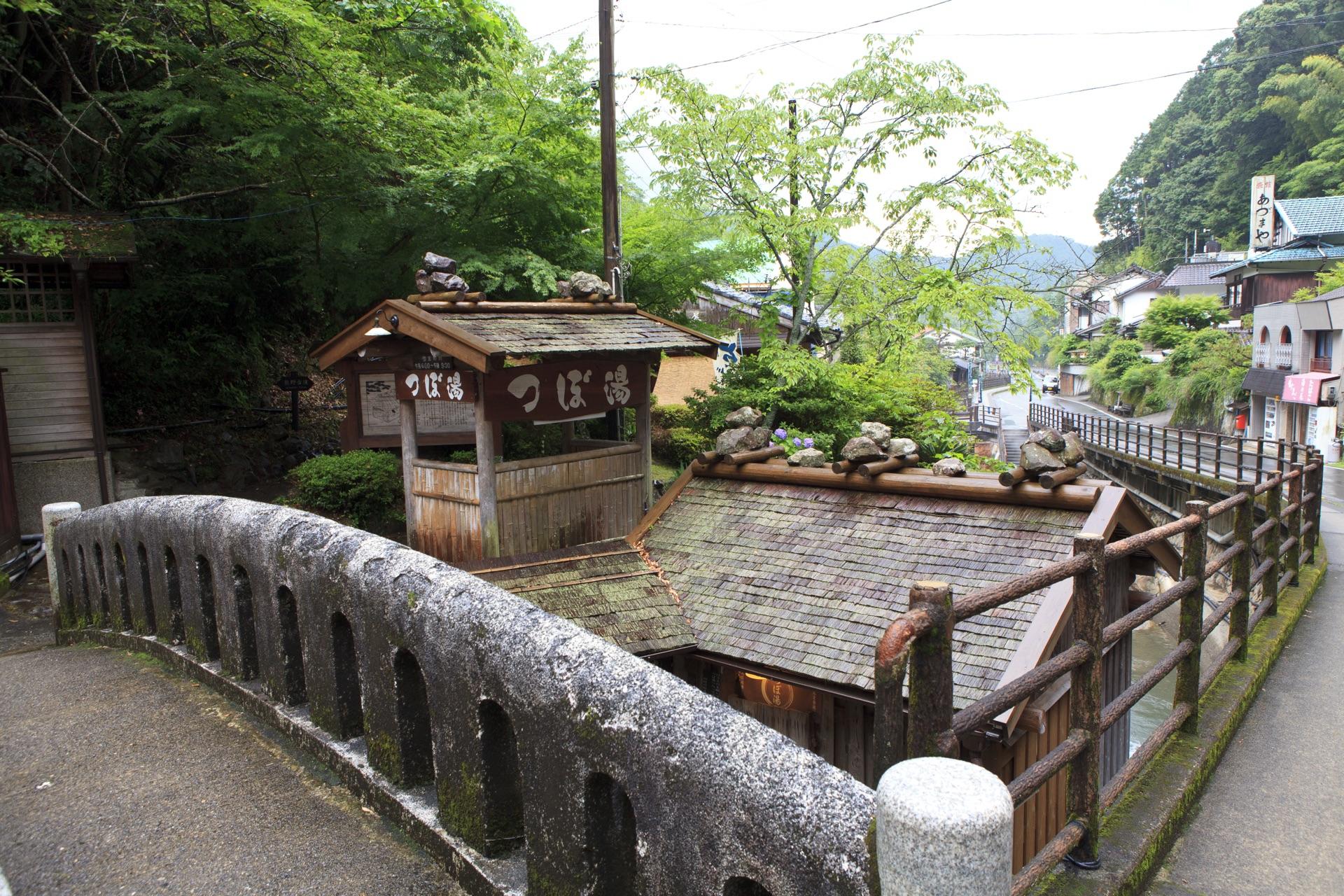
2. Leave slack in your soaking time: Tsubo-yu is a tiny bathhouse registered as a World Heritage site, and there can be a wait. Don't try to squeeze it in right before your bus departs.
3. Keep a backup in mind: Knowing a taxi company's number or being open to staying overnight will put your mind at ease, just in case.
Rather than rushing a day trip, staying overnight in the Hongu Onsen village (Yunomine, Kawayu, or Watarase) and freeing yourself from the bus schedule is a way of spending time that we locals highly recommend.
After Getting Off the Bus
Yunomine Onsen is a compact hot spring town where inns and public baths cluster together in a mountain valley. Within walking distance of the bus stop are Yudutsu (a spot where locals cook eggs and other foods in the hot spring source) and Tokoji Temple, associated with the legend of Oguri Hangan. Nothing is far enough to hurry for, so combining a stroll with a soak and planning a stay of at least 2–3 hours will make any wait for the bus feel much easier. Even just taking in the scent of sulfur and the rising steam is enough to shift you into travel mode.
Summary
Traveling to Yunomine Onsen by bus, with its schedule constraints, naturally slows down the pace of your trip. Choose your starting point (Kii-Tanabe, Shingu, or Hongu Taisha-mae), work backward from your return bus, and leave some slack for soaking. Follow these three principles, and you can comfortably enjoy the "waters of revival" even without a car. Don't forget to check the latest service information before you set out.
Image: 湯の峰温泉 (via (公社)和歌山県観光連盟)


