 LOCAL FIT KUMANOBack to list
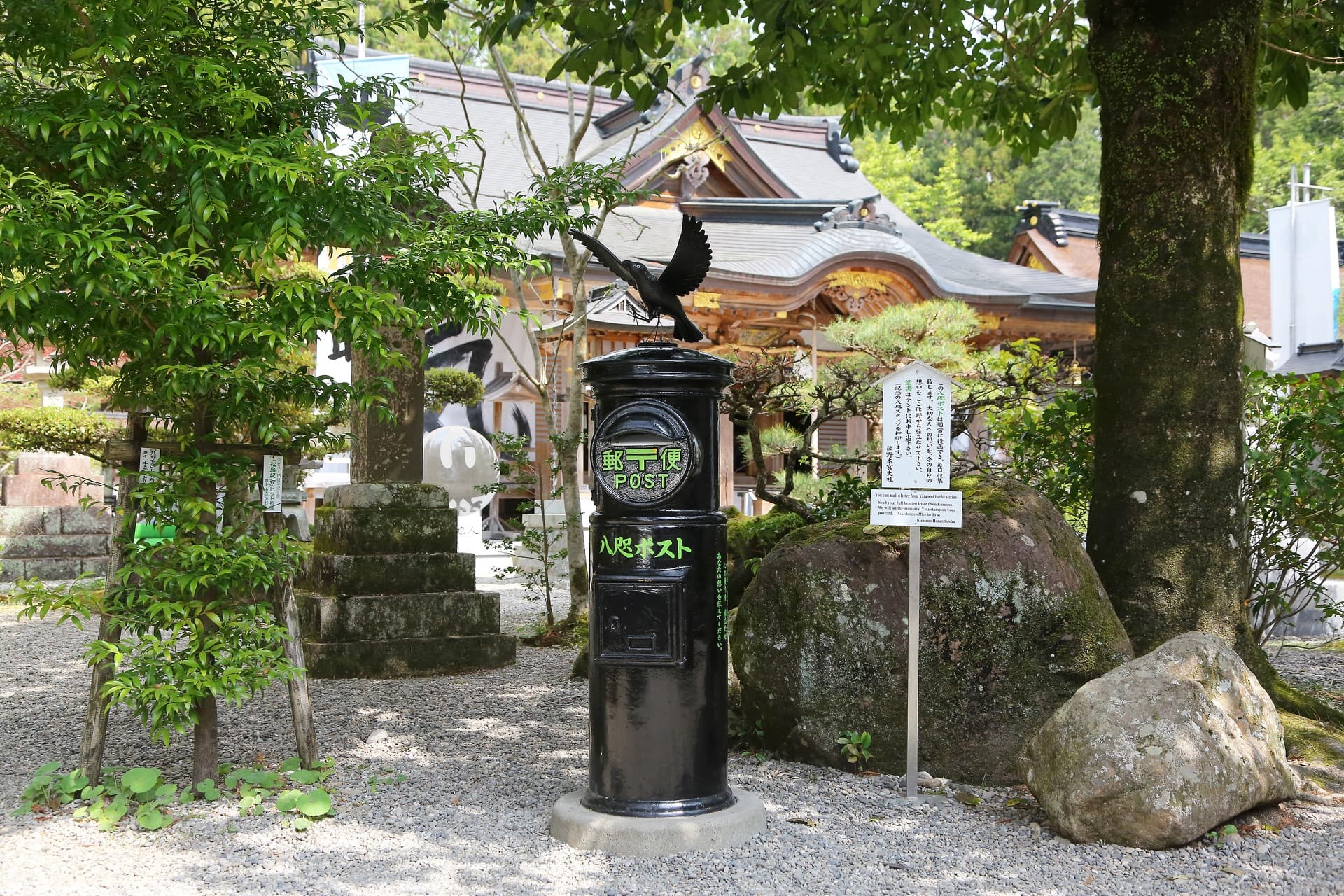
The Meaning of a Yatagarasu Amulet Comes from the Wish for "Guidance"
As you walk through Kumano, you'll often spot the motif of a three-legged crow. This is the Yatagarasu. Many people who search for "Yatagarasu amulet meaning" want to know what kind of blessings it brings and who it suits.
First, let us say this: the power of an amulet isn't something that can be measured in numbers or outcomes — it is a blessing (goriyaku) passed down through faith. Here, we'll walk through the kinds of wishes suggested by its origins.
What Kind of Being Is Yatagarasu?
Yatagarasu is a bird that appears in the *Kojiki* and *Nihon Shoki*, in the story of Emperor Jimmu's eastern expedition. It is said to have guided his party from the mountains of Kumano into Yamato. For this reason, it is told of as a divine messenger (*shinshi*) of the Kumano deities, and has a deep connection with the Kumano Sanzan (the three grand shrines of Kumano).
The Three Legs Have Several Interpretations
There are various theories about what the three legs represent — for example, heaven, earth, and humankind. Rather than settling on just one, knowing that "there are many ways to read it" makes browsing the amulets on site all the more enjoyable.
Wishes Often Associated with a Yatagarasu Amulet
Based on its origins, the following types of wishes are often linked to it:
- May the way forward become clear: career paths, job changes, turning points in a new challenge
- Safety in travel and movement: walking the ancient pilgrimage trails, long journeys, daily commutes
- A boost toward victory or success: exams, sports, important moments
Yatagarasu is also well known as the symbol of Japanese soccer. That may be why it carries impressions of both "guidance" and "competition."
Etiquette When Receiving One in Kumano
Check the Amulets at the Shrine Office
The amulets featuring Yatagarasu differ in type and design depending on the shrine or temple and the season. Rather than deciding too firmly in advance, we recommend visiting the amulet office (*juyosho*) after completing your prayer. For specifics on what is offered and how to receive it, please follow the local guidance on site.
Pray First, Then Receive the Amulet
As with *goshuin* (shrine stamps), it is customary to receive an amulet after paying your respects. First, greet the deity before the shrine, quietly collect your wishes in your heart, and then head to the amulet office. The amulet you pick up will feel all the more meaningful.
Try Narrowing Your Wish to Just One
Rather than piling on "my career," "safe travels," and "winning," try to decide on the single wish that matters most to you right now. That way, every time you see the amulet, you'll be reminded of it.
How to Carry It and How to Return It
- Keep it in a clean, familiar place — such as your everyday bag, or an inner pocket of a planner or purse
- When walking the ancient trails, place it in a pouch so it doesn't get wet
- It is generally customary to return it with gratitude after about a year, but to be safe, follow the guidance of the shrine or temple where you received it
If you live far away and can't return it in person, it's a good idea to ask whether a nearby shrine will accept it.
An Amulet Is "Something That Gently Pushes You Forward"
An amulet isn't a tool that decides things simply by being held — it is a token for steadying your heart and taking that next step. The Kumano trails, walked with the guiding bird close to one's chest, mirror the figure of anyone who presses on even while uncertain.
When you visit Kumano, look for Yatagarasu's form around the shrine grounds. And once you've received your amulet, walk the road ahead on your own two feet. That, perhaps, is the greatest thanks you can offer to Yatagarasu.
Image: 熊野本宮大社 (via (公社)和歌山県観光連盟)


