 LOCAL FIT KUMANOBack to list
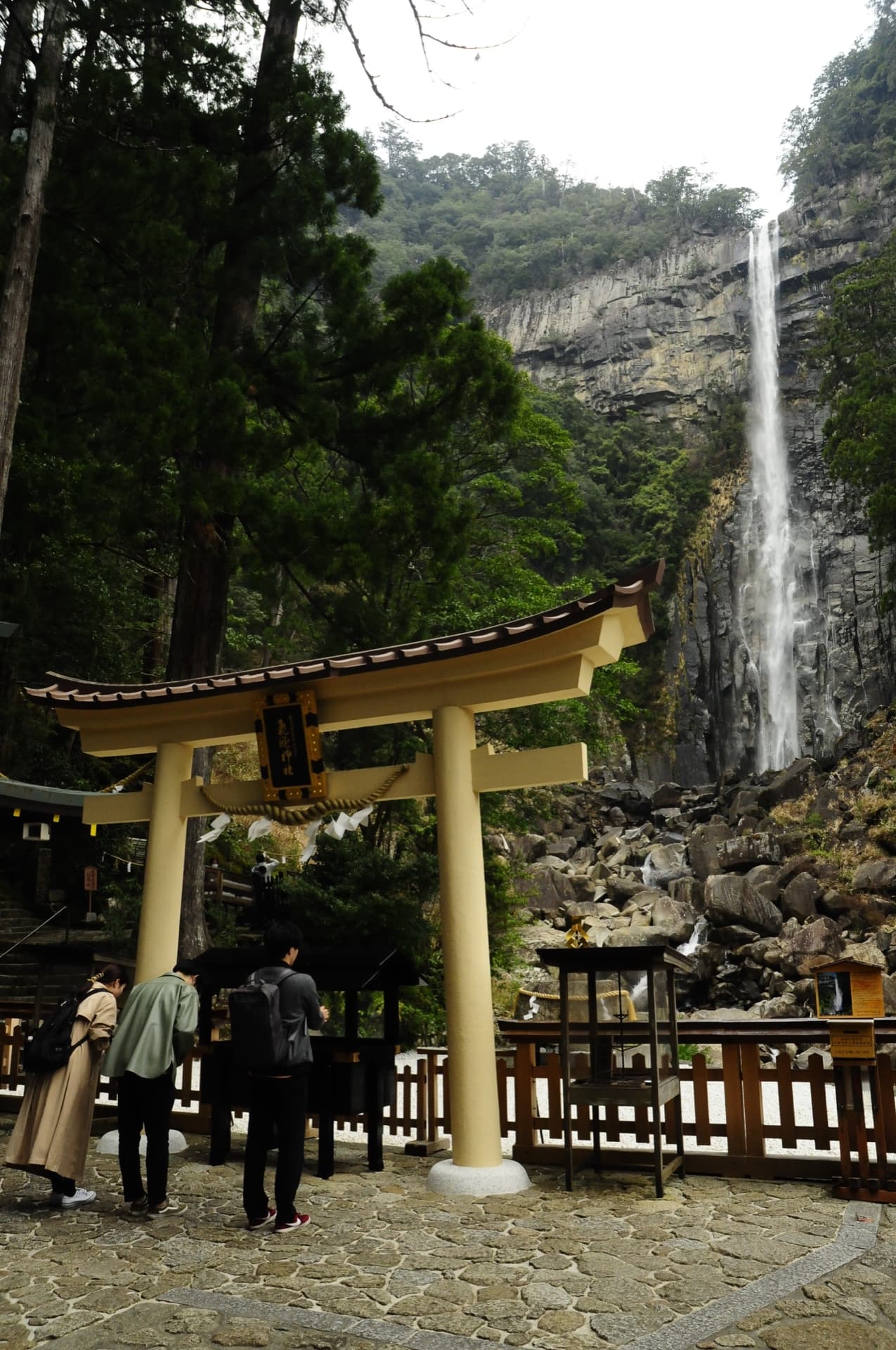
When you search for 'Wakayama World Heritage list,' you might expect a long lineup of names to appear. In fact, Wakayama Prefecture has only one World Cultural Heritage site: 'Sacred Sites and Pilgrimage Routes in the Kii Mountain Range.' What makes this single entry remarkable, however, is that it doesn't exist as a single point but spreads across both areas and lines. Here, from a local Kumano perspective, we'll organize the full picture into a clear overview.
Wakayama's Single World Heritage Site: A 3+1 Structure
'Sacred Sites and Pilgrimage Routes in the Kii Mountain Range' was registered in 2004, with its boundaries later expanded. It spans three prefectures—Wakayama, Nara, and Mie—and is broadly made up of the following elements.
| Category | Main Contents | Main Prefecture |
|---|---|---|
| Yoshino and Omine | Mountains and sacred sites of Shugendo | Nara (with routes extending into Wakayama) |
| Kumano Sanzan | The three grand shrines of Hongu, Hayatama, and Nachi, plus related sacred sites | Wakayama and others |
| Koyasan | The sacred center of Shingon esoteric Buddhism and surrounding temples and shrines | Wakayama |
| Pilgrimage Routes | Kumano Kodo, Omine Okugake-michi, Koya Pilgrimage Routes | Across all three prefectures |
On a trip through Wakayama, you'll mainly encounter three of these: the Kumano Sanzan, Koyasan, and the pilgrimage routes.
A Quick Overview of the Component Assets You Can Visit in Wakayama
The Kumano Sanzan and Surroundings
At the heart are the three grand shrines: Kumano Hongu Taisha, Kumano Hayatama Taisha, and Kumano Nachi Taisha. The Nachisan area also includes Seiganto-ji Temple and Nachi Falls (the sacred object of worship at Hiro Shrine), while along the coast, Fudarakusan-ji Temple is counted among the related component assets. In this area, you can feel the lingering presence of shinbutsu-shugo (the historical fusion of Shinto and Buddhism) through the scenery of shrines and temples standing side by side.
The Koyasan Area
In addition to sacred mountaintop sites like Kongobu-ji Temple and the Danjo Garan, the component assets also include places at the foot of the mountain that served as gateways to pilgrimage, such as Jison-in Temple and Niutsuhime Shrine. Knowing that the heritage 'isn't only on the mountaintop' can broaden the way you plan your route.
Pilgrimage Routes (Historic Trails)
The Kumano Kodo includes routes such as the Nakahechi, Kohechi, and Ohechi, while the Koya pilgrimage routes include the Choishi-michi. What makes this area distinctive is that the roads themselves are designated World Heritage. Stone pavements, avenues of cedar trees, and the remains of oji (small roadside shrines) are scattered along the way—charms that can only truly be appreciated on foot.
How to Choose Your Trip After Seeing the List
Rather than trying to see everything, narrowing your focus by purpose will bring greater satisfaction.
- To efficiently visit shrines, temples, and the falls: Connect the Kumano Sanzan as bases along your route
- To immerse yourself in mountaintop sacred spaces: Make Koyasan your center and stay slowly
- To focus on the walking experience: Pick just one section of a pilgrimage route to walk
The component assets are spread across a wide area, and travel between them takes time. Trying to pack both Kumano and Koyasan into a single trip can leave you spending most of your time in transit. First, decide which sacred area you want to focus on this time.
A Note Before You Set Off
The scope, names, and public access status of component assets may change. Before visiting, it's a good idea to check the latest information on the official websites of the prefecture, municipalities, and individual shrines and temples.
Although Wakayama has only one World Heritage Site by count, within it lie layered stories of sacred mountains, shrines and temples, and ancient roads. Let this list be your gateway—why not start by visiting the one place that catches your eye?
Image: 那智の滝 (via (公社)和歌山県観光連盟)


